
How To
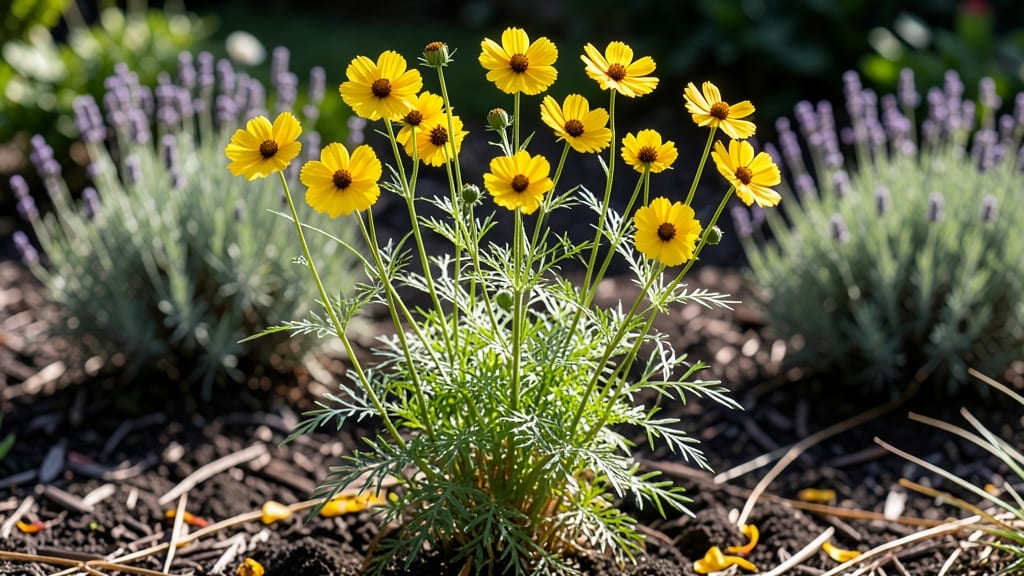
Ever wondered how tall does Coreopsis grow before those cheerful blooms take over your garden? Knowing the exact height range isn’t just about aesthetics—it’s the difference between a crowded, chaotic flower bed and a well-planned, thriving display that wows every time you walk by.
Coreopsis varieties can range from compact 6-inch dwarfs to towering 3-foot giants, and choosing the right size for your space makes all the difference.
Whether you're working with USDA Zone 6a conditions or planning a spring planting window, understanding these growth patterns helps you maximize blooms while keeping your garden looking intentional.
In this guide, I’ll break down the exact height ranges for popular Coreopsis types—from the tiny Coreopsis verticillata to the bold Coreopsis grandiflora—plus the spacing tricks that keep them healthy and vibrant. Ready to transform your garden layout with confidence?
Let’s dive into the specifics so you can plant with purpose and enjoy those golden blooms all season long.


Coreopsis plant height by variety: exact growth ranges for popular types
Understanding how tall your coreopsis will grow is essential for creating a garden that looks intentional and thrives. These cheerful, daisy-like flowers come in a stunning range of heights—from compact dwarf varieties perfect for borders to towering tall cultivars that make bold statements in the back of beds.
The height you choose directly impacts your garden's flow, so let's explore the exact growth ranges of the most popular types.
For example, Coreopsis verticillata (threadleaf coreopsis) typically reaches 2 to 3 feet at maturity, while Coreopsis grandiflora (largeflower coreopsis) often tops out around 2 to 3 feet as well.
But don't stop there—some varieties like Coreopsis lanceolata (lanceleaf coreopsis) can grow even taller, reaching 3 feet or more under ideal conditions. Knowing these specifics helps you avoid overcrowding and ensures each plant gets the space it needs to shine.
Here's where things get interesting: dwarf coreopsis varieties like 'Moonbeam' or 'Zagreb' stay between 6 to 12 inches tall, making them perfect for edging pathways or filling gaps in rock gardens.
Meanwhile, semi-dwarf types such as 'Early Sunrise' hit 1 to 2 feet, giving you versatility for mid-height garden layers. The key is matching the variety to your design goals—whether you're aiming for a low-maintenance border or a dramatic backdrop.
🌼 Coreopsis Height Comparison Table
| Variety | Height Range | Best Garden Use | Spacing Needs |
|---|---|---|---|
| 'Moonbeam' | 6-12 inches | Borders, edging, containers | 8-12 inches apart |
| 'Zagreb' | 12-18 inches | Front of beds, rock gardens | 12-18 inches apart |
| 'Early Sunrise' | 1-2 feet | Mid-height borders, pollinator gardens | 18-24 inches apart |
| 'Grandiflora' | 2-3 feet | Back of borders, cut flowers | 24-30 inches apart |
| 'Little Sunbeam' | 6-12 inches | Containers, window boxes | 6-10 inches apart |
| 'Lanceolata' | 2-3 feet | Wildflower meadows, back of beds | 24-36 inches apart |
| 'Moonbeam' Series | 12-18 inches | Pollinator-friendly borders | 12-18 inches apart |
When choosing coreopsis varieties, consider not just height but also the plant's growth habit. Some, like 'Moonbeam', grow in a compact mound, while others, such as 'Grandiflora', develop upright stems that benefit from staking.
This distinction affects how you'll group them in your garden—whether you'll place them in clusters for mass effect or spread them out for a natural look. For instance, tall varieties like 'Lanceolata' work beautifully in wildflower meadows, where their height mimics native prairie plants.
Another factor influencing height is your climate and growing conditions. Coreopsis thrives in full sun and well-draining soil, but if you're in a cooler, northern region, some varieties may stay slightly shorter than their southern counterparts.
For example, 'Grandiflora' might reach 2.5 to 3 feet in USDA Zone 8 but only 2 feet in Zone 5. Always check your local microclimate and adjust spacing accordingly to avoid competition for nutrients and light.
If you're growing coreopsis in containers, dwarf varieties like 'Little Sunbeam' are ideal—they thrive in 5- to 7-gallon pots and rarely exceed 12 inches in height. This makes them perfect for balcony gardens or patio planters, where space is limited.
Just ensure your container has drainage holes and use a lightweight potting mix to prevent root rot, which can stunt growth.
For those who love cut flowers, taller varieties like 'Grandiflora' or 'Lanceolata' are excellent choices—their long stems and durable blooms hold up well in arrangements. To encourage taller growth for cutting, provide consistent
Coreopsis plant height by variety: exact growth ranges for popular types
Coreopsis plants are known for their cheerful, daisy-like blooms that brighten up summer gardens, but their mature heights can vary dramatically between varieties.
Understanding these differences helps you choose the perfect coreopsis for your garden design—whether you want a dwarf variety for borders or a tall cultivar as a focal point.
Most coreopsis species fall between 1 to 3 feet tall at maturity, but some compact types stay as short as 6 inches, while others can reach nearly 4 feet under ideal conditions.
The variety you select will dictate not only your garden layout but also maintenance needs like spacing and pruning.
Coreopsis Height Comparison by Variety
| Variety | Mature Height | Best For | Spacing |
|---|---|---|---|
| 'Moonbeam' | 12-18 inches | Borders, containers | 12 inches apart |
| 'Zagreb' | 2-3 feet | Cut flowers, back of beds | 18-24 inches apart |
| 'Sunburst' | 1-2 feet | Pollinator gardens | 12-18 inches apart |
| 'Red Lion' | 2-3 feet | Dramatic focal points | 24 inches apart |
| 'Early Sunrise' | 1-2 feet | Early season blooms | 12-18 inches apart |
For example, the 'Moonbeam' variety stays compact at just 12-18 inches, making it ideal for edging pathways or container gardens. In contrast, 'Red Lion' can grow up to 3 feet, perfect for creating bold vertical accents in mixed borders or as cut flowers.
When selecting coreopsis varieties, also consider their spreading habits. Some types like 'Zagreb' spread wider than they grow tall, while others like 'Sunburst' maintain a more compact form. This balance ensures your garden remains visually harmonious without overcrowding.
Pro tip: Check the plant tag for specific height ranges, as some nurseries may list slightly different measurements based on growing conditions. If you're unsure, opt for dwarf varieties for small spaces or medium-height types for versatility in most garden designs.
Remember that coreopsis thrives in full sun and well-draining soil, which can influence their final height. Proper care will help them reach their full potential while maintaining their natural vigor and abundant blooms.