
How To
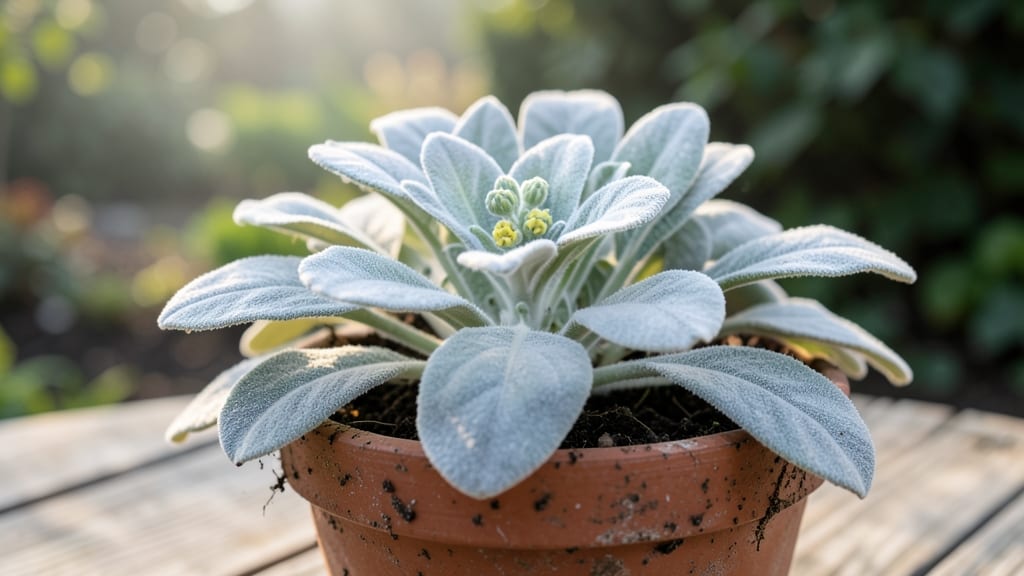
If you're planning your garden layout and wondering "how tall does Dusty Miller grow", you’re in the right place. This silvery, textured plant adds a striking contrast to borders and containers—but its height varies wildly depending on the variety and growing conditions.
Most Dusty Miller plants mature between 12 and 24 inches, with some compact types staying under a foot tall. Whether you're using it as a low border or a container focal point, knowing its growth habit helps you space it perfectly for that polished, professional look.
What’s more interesting is how pruning and sunlight can tweak its height. A little trimming keeps it bushy, while full sun encourages taller growth. I’ll show you exactly how to control its size so it fits your design vision—without sacrificing its stunning foliage.
Ready to discover the best varieties for your space and how to keep them thriving? Let’s dive into the specifics so you can make the most of this versatile plant in your garden.


Dusty Miller height guide: standard varieties and their mature sizes
Dusty Miller (Jacobaea maritima) is a beloved ornamental plant prized for its striking silver-gray foliage and airy, bushy growth habit. On average, mature plants reach 12 to 24 inches tall, but this can vary significantly depending on the variety and growing conditions.
Understanding these differences helps you choose the perfect fit for your garden design—whether you need a tall border plant or a compact container specimen.
Most standard Dusty Miller varieties fall within the 18- to 24-inch range, making them ideal for mixed borders, cottage gardens, or as a backdrop for shorter perennials. However, some taller cultivars can even reach 2 to 3 feet under ideal conditions, while dwarf varieties stay under 12 inches.
The key to predicting height lies in sunlight exposure, soil quality, and pruning practices.
For example, the 'Silver Spires' variety is known for its upright, spiky growth, often topping out at 24 inches, while 'Cotton Ball' maintains a more compact, rounded shape around 18 inches.
These differences aren’t just about aesthetics—they also influence how you space plants and whether they’ll thrive in containers or in-ground beds.
🌿
If you’re planning a garden layout, consider how Dusty Miller’s height will interact with other plants. For instance, pairing 'Silver Spires' (24 inches) with lavender (18-24 inches) creates a harmonious silver-and-purple border, while 'Little Dorrit' (6-10 inches) adds texture to rock gardens or window boxes.
The plant’s airy foliage also makes it a great filler between taller perennials like black-eyed Susans or coneflowers.
One factor that often surprises new gardeners is how seasonal growth affects height. Dusty Miller typically grows most vigorously in spring and early summer, with new growth slowing in late summer and fall.
If you notice leggy stems or uneven growth, it’s often a sign of insufficient sunlight or overcrowding. Adjusting spacing or providing afternoon shade in hot climates can help maintain a compact, bushy shape.
For those growing Dusty Miller in containers, height can be even more variable. A 5-gallon pot might restrict growth to 12-18 inches, while a larger planter could encourage taller varieties to reach their full potential.
Always check the drainage holes—Dusty Miller hates soggy roots and will struggle to thrive in waterlogged soil. Use a well-draining potting mix with perlite or sand to keep roots healthy and growth steady.
🌱
Another way to control height is through pruning. Regularly pinching back the tips of new growth encourages bushier, more compact plants. I like to do this in early spring to shape the plant before the main growing season begins.
For taller varieties, a light pruning after flowering can also renew growth and prevent the plant from becoming too leggy. Just avoid heavy pruning in late summer, as this can stress the plant before winter.
Finally, remember that Dusty Miller is a perennial in USDA Zones 3-9, meaning it will return year after year with consistent height—unless you’re growing it as an annual in colder climates.
In colder regions, mulching around the base in fall helps protect the roots and ensures a stronger, more uniform plant the following spring.
✂️
How to control Dusty Miller height: pruning, pinching, and spacing tips
Managing the height of your Dusty Miller (Jacobaea maritima) is easier than you think! This silvery plant thrives with gentle guidance, whether you want it bushier or more compact.
Pruning and pinching are your best tools to shape its growth—especially if you’re dealing with leggy stems or overgrowth. The key is timing and technique, which I’ll break down for you.
For bushier growth, pinch back the tips of new shoots when they’re about 6 inches tall. This encourages side branches to fill out, creating that lush, rounded look perfect for borders or containers.
If you’re growing Dusty Miller in containers, regular pinching keeps it from becoming top-heavy and toppling over.
When it comes to pruning established plants, aim to trim back one-third of the plant in early spring or after flowering. Use clean, sharp shears to avoid damaging the stems. This not only controls height but also promotes new growth and keeps your Dusty Miller looking fresh all season.
🌿 Pro Tip: If your Dusty Miller is growing too tall for its space, don’t hesitate to prune it back aggressively in late summer. This prevents it from becoming woody and leggy, ensuring it stays vibrant and healthy for next year.