
How To
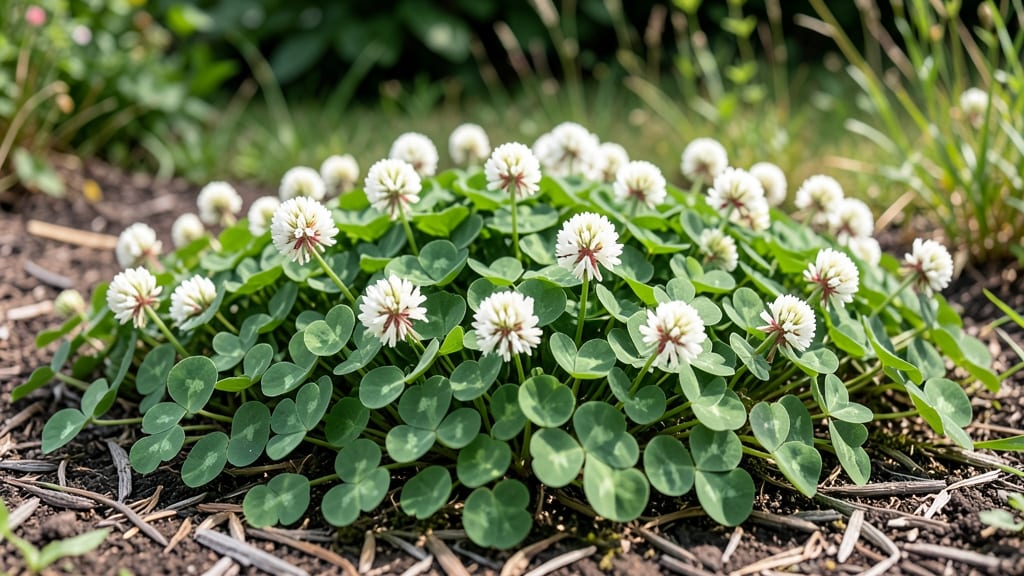
If you're wondering how tall does Dutch White Clover grow, the answer might surprise you—this hardy ground cover stays delightfully compact, typically reaching just 3 to 8 inches at maturity. That makes it perfect for lawns, gardens, or even pollinator-friendly meadows without taking over your space.
What sets Dutch White Clover 🌱 apart is its ability to thrive in tight spaces while still supporting bees and butterflies. Unlike taller grasses, it stays low to the ground, creating a lush carpet that’s both functional and beautiful.
Whether you're planting in USDA Zone 6a or warmer regions, its height remains consistent year after year.
But here’s the best part: its manageable size means you can easily shape it to fit your needs. Need a shorter lawn? Mow it down. Want to encourage blooms for pollinators?
Let it grow a little taller. The flexibility is one of the reasons gardeners and lawn enthusiasts love it so much.
Ready to learn how to keep it at your ideal height—whether for aesthetics or practicality? I’ll walk you through everything you need to know to cultivate Dutch White Clover successfully in your outdoor space.


Dutch white clover height: standard growth range and key factors
Dutch white clover (Trifolium repens) is a low-growing ground cover that typically reaches heights between 3 to 8 inches when fully mature. This compact stature makes it ideal for lawns, gardens, and erosion control projects where a lush, low-maintenance green carpet is desired.
Unlike taller grasses, Dutch white clover stays close to the ground, creating a dense mat that crowds out weeds naturally.
Under ideal conditions—full sun exposure, well-drained soil, and consistent moisture—Dutch white clover thrives within this height range. However, its growth can vary based on environmental factors like climate, soil quality, and sunlight availability.
For example, in cooler climates or shaded areas, it may stay on the shorter end (3 to 5 inches), while warmer, sunnier regions can encourage slightly taller growth (6 to 8 inches).
One of the most appealing traits of Dutch white clover is its consistent height throughout the growing season. Unlike seasonal grasses that spike in height during spring or summer, clover maintains a relatively stable form, making it predictable for landscaping purposes.
This consistency also means it requires less frequent mowing compared to traditional lawn grasses.
The plant’s height is closely tied to its spreading habit. While individual stems rarely exceed 8 inches, the plant spreads aggressively via stolons (runners), creating a dense ground cover that can cover up to 100 square feet per plant in a single growing season.
This horizontal growth is what truly defines its utility in gardens and lawns, rather than vertical height.
🌱 Dutch White Clover Growth Summary
| Factor | Standard Range | Notes |
|---|---|---|
| Mature Height | 3–8 inches | Consistent year-round; shorter in shade |
| Spread Radius | 12–24 inches | Aggressive stolon growth fills gaps quickly |
| Sunlight Needs | Full sun (6+ hours) | Tolerates partial shade but grows taller in sun |
| Soil Preference | Well-drained, fertile | pH 6.0–7.5; avoids waterlogged soil |
| Growth Season | Spring–Fall | Dormant in winter; minimal height change |
If you’re planting Dutch white clover in a lawn setting, expect it to blend seamlessly with grass while staying low enough to avoid the "wild" look of taller clovers like red clover.
In garden beds or pollinator-friendly areas, the slightly taller growth (6–8 inches) provides excellent nectar for bees and other beneficial insects. The key is to let it grow freely for pollinators while keeping it mowed shorter in high-traffic lawn areas.
One common misconception is that Dutch white clover will grow taller if left unchecked. While it can spread widely, its vertical growth remains self-regulating. Over time, the plant naturally prunes itself by self-seeding and stolon competition, preventing it from becoming unruly.
This makes it a low-maintenance choice for busy gardeners who want a green, weed-free alternative to traditional lawns.
For those in cooler climates (USDA Zones 3–6), Dutch white clover may enter dormancy in winter, reducing its height slightly but rarely dropping below 2 inches. In warmer zones (7–10), it remains active year-round, maintaining its 3–8 inch range with minimal seasonal variation.
This adaptability is one reason it’s so widely used in northern lawns and southern gardens alike.
To encourage optimal height and spread, focus on soil preparation before planting. Amend heavy clay soils with compost to improve drainage, and avoid over-fertilizing with nitrogen, which can promote leafy growth at the expense of stolon development.
A balanced 10-10-10 fertilizer applied lightly in spring and summer is ideal for maintaining healthy, compact growth.
Understanding Dutch white clover’s height isn’t just about aesthetics—it’s about leveraging its natural growth habits to create a resilient, low-maintenance landscape. Whether you’re aiming for a pollinator-friendly lawn or a weed-suppressing ground cover, this clover’s predictable size makes it a standout choice for modern gardening.
Dutch white clover height: standard growth range and key factors
Dutch white clover (Trifolium repens) is a low-growing, hardy ground cover that thrives in lawns and gardens. On average, it reaches a mature height of 3 to 8 inches, making it ideal for compact spaces.
Unlike taller grasses, its dwarf stature ensures it stays close to the ground while providing dense coverage.
This height range can shift slightly based on growing conditions. In full sun and well-drained soil, Dutch white clover tends to stay on the shorter side (3-5 inches).
However, in shadier or nutrient-rich environments, it may stretch slightly taller (6-8 inches) while still remaining low to the ground.
Seasonal variations also play a role. During spring and summer, Dutch white clover grows most vigorously, reaching its peak height. In fall and winter, growth slows, and the plant may appear slightly shorter as it conserves energy for dormancy.
🌱 Dutch White Clover Growth Summary
| Growth Factor | Details |
|---|---|
| Standard Height | 3-8 inches |
| Sunlight Needs | Full sun (6+ hours/day) |
| Soil Type | Well-drained, slightly acidic |
| Peak Growth Season | Spring to early fall |
| Dormancy Period | Late fall to winter |
Soil quality is another critical factor. Dutch white clover prefers well-drained, slightly acidic soil with a pH between 6.0 and 7.0. In poor or compacted soil, growth may be stunted, keeping the plant shorter than expected.
Conversely, rich, loamy soil can encourage slightly taller growth while maintaining its low profile.
Climate also influences height. In cooler climates (USDA Zones 4-6), Dutch white clover may stay on the shorter side due to slower growth rates. In warmer regions (Zones 7-9), it can grow slightly taller but remains well below knee height, making it perfect for low-maintenance lawns and pollinator-friendly gardens.
To maintain its ideal height, regular light mowing (every 4-6 weeks) prevents overgrowth. This keeps Dutch white clover at its most manageable size while encouraging a denser, healthier spread. Over time, you’ll find it strikes a balance between compact beauty and functional ground cover.