
How To
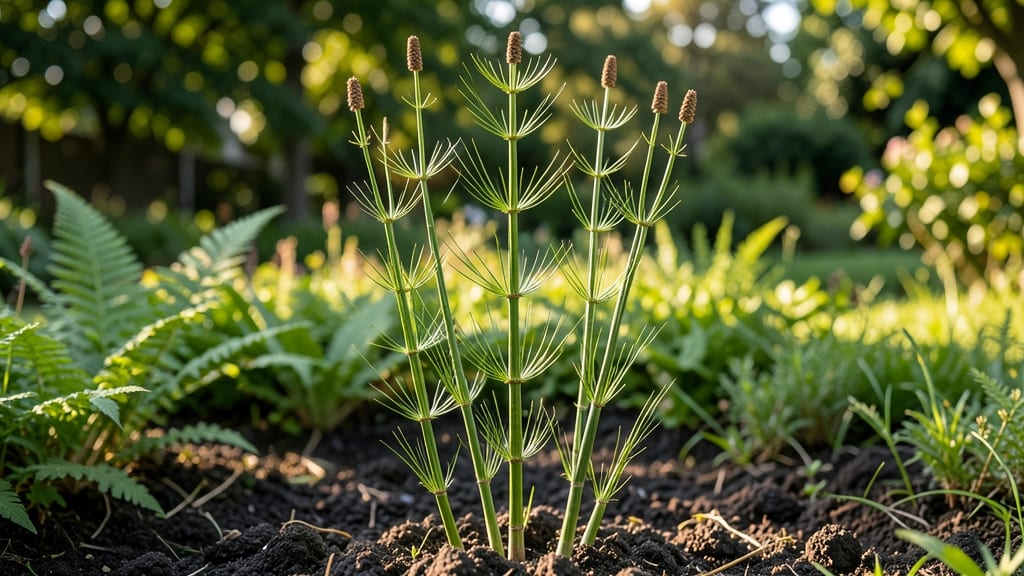
Horsetail reed height by variety: exact growth ranges and mature sizes
Horsetail reed (Equisetum hyemale) is a versatile plant prized for its striking vertical growth and ability to thrive in wet conditions. But how tall does it actually grow? The answer depends on the specific variety and growing conditions.
Most common types reach 3 to 6 feet at maturity, though some can exceed 8 feet in ideal environments. Understanding these ranges helps you plan for privacy screens, erosion control, or ornamental garden features.
For example, Equisetum hyemale—the most popular variety—typically grows 4 to 6 feet tall in its first few years, with some specimens reaching 8 feet in wetland settings.
Meanwhile, Equisetum telmateia (giant horsetail) can tower over 10 feet in optimal conditions, making it a standout for large gardens or restoration projects. Smaller varieties like Equisetum pratense stay under 2 feet, perfect for borders or containers.
Here’s where the comparison table comes in—it breaks down the exact height ranges, growth rates, and ideal climates for each variety to help you choose the right horsetail reed for your space.
| Variety | Mature Height (ft) | Growth Rate (ft/year) | Ideal Climate | Best For |
|---|---|---|---|---|
| Equisetum hyemale | 4–6 ft | 2–4 ft | Temperate zones | Privacy screens, wetland gardens |
| Equisetum telmateia | 8–12 ft | 3–5 ft | Humid, coastal regions | Large-scale restoration, tall hedges |
| Equisetum pratense | 1–2 ft | 1–2 ft | Cool, moist areas | Borders, containers, wildflower gardens |
The growth rate of horsetail reed is another critical factor. Most varieties grow 2 to 4 feet per year under ideal conditions, with Equisetum telmateia leading the pack at 3 to 5 feet annually. This rapid growth makes it an excellent choice for quickly establishing privacy or erosion control.
However, in colder climates, growth may slow to 1 to 2 feet per year, so plan accordingly if you’re in USDA Zone 5 or below.
Soil moisture plays a huge role in height. Horsetail reed thrives in consistently moist but well-drained soil. In waterlogged conditions, growth can be stunted, while in wetland settings, it may reach its maximum potential height.
For example, Equisetum hyemale in a bog garden might hit 6 to 8 feet, whereas the same plant in drier soil could stay around 3 to 4 feet. Always prioritize moisture-retentive soil to encourage taller, healthier growth.
Sunlight exposure also influences height. While horsetail reed tolerates partial shade, it reaches its full potential in full sun (6+ hours daily). In shadier conditions, stems may grow taller but thinner, reducing their structural integrity.
If you’re using horsetail reed for a privacy screen, plant it in full sun to ensure dense, upright growth that blocks views effectively.
One common misconception is that horsetail reed grows indefinitely. While it can live for decades, its height growth slows significantly after 3 to 5 years.
After reaching maturity, maintenance focuses on pruning dead stems and controlling spread via rhizomes. This makes it a low-maintenance plant once established, perfect for busy gardeners.
For gardeners in coastal or humid climates, Equisetum telmateia is the tallest option, often exceeding 10 feet in ideal conditions. In contrast, Equisetum pratense stays compact, making it ideal for smaller spaces or container gardening.
Always check your local climate and soil conditions before selecting a variety to ensure you meet its height expectations.
Pro tip: If you’re aiming for a taller horsetail reed, pair it with regular watering and a balanced fertilizer (5-10-10) in spring. Avoid over-fertilizing, as this can lead to leafy but weak growth rather than tall, sturdy stems.
With the right care, you’ll achieve the maximum height for your chosen variety in just a few years.
How to maximize horsetail reed height: soil, water, and sunlight requirements
To coax your horsetail reed (Equisetum hyemale) to reach its maximum height potential, focus on three critical factors: moisture levels, soil composition, and sunlight exposure.
Unlike many ornamental grasses, horsetail thrives in wet conditions but despises soggy roots—finding that sweet spot is key to unlocking its 4–6 foot stature.
Start with moist, well-draining soil rich in organic matter. Horsetail reeds prefer slightly acidic to neutral pH (6.0–7.0) and will reward you with faster growth when planted in loamy or sandy soils.
Amend heavy clay with compost or perlite to prevent waterlogging, which can stunt growth or cause root rot.
Key Takeaway
Horsetail reed reaches optimal height (4–6 ft) with 6+ hours of sunlight, consistent moisture, and well-draining soil. Prune dead stems in early spring to encourage new growth.
Sunlight is non-negotiable for height. Horsetail reeds demand full sun (6+ hours daily) to fuel their rapid vertical growth. In partial shade, expect 20–30% shorter stems and less dense foliage.
If your garden only offers morning sun, supplement with a reflective surface (like a white wall) to maximize light exposure.
Watering strategy directly impacts height. Keep soil consistently moist but avoid waterlogged conditions. In hot climates, mulch with 2–3 inches of straw to retain moisture and prevent soil crusting, which can restrict root expansion.
During drought periods, reduce watering to every 5–7 days—overwatering in summer can lead to fungal issues that weaken stems.
Seasonal pruning is the secret weapon for taller, denser growth. Cut back dead or brown stems in early spring (before new shoots emerge) to redirect energy into new vertical growth. Avoid heavy pruning in fall or winter, as this can delay spring regrowth.
For maximum height, fertilize lightly in early spring with a balanced 5-10-10 formula—too much nitrogen promotes leafy growth at the expense of stem height.
Regional climate plays a role in height variations. In USDA Zones 5–9, horsetail reeds typically reach 5–6 feet with ideal care, while in cooler Zones 3–4, expect 3–4 feet due to shorter growing seasons.
To push height limits, plant in sheltered microclimates (like near a south-facing fence) where frost damage is minimized.
By mastering these three pillars—soil, sunlight, and water—you’ll coax your horsetail reed to its full height potential, creating a striking vertical accent in your garden that rivals bamboo but with far less invasiveness. 🌿