
How To
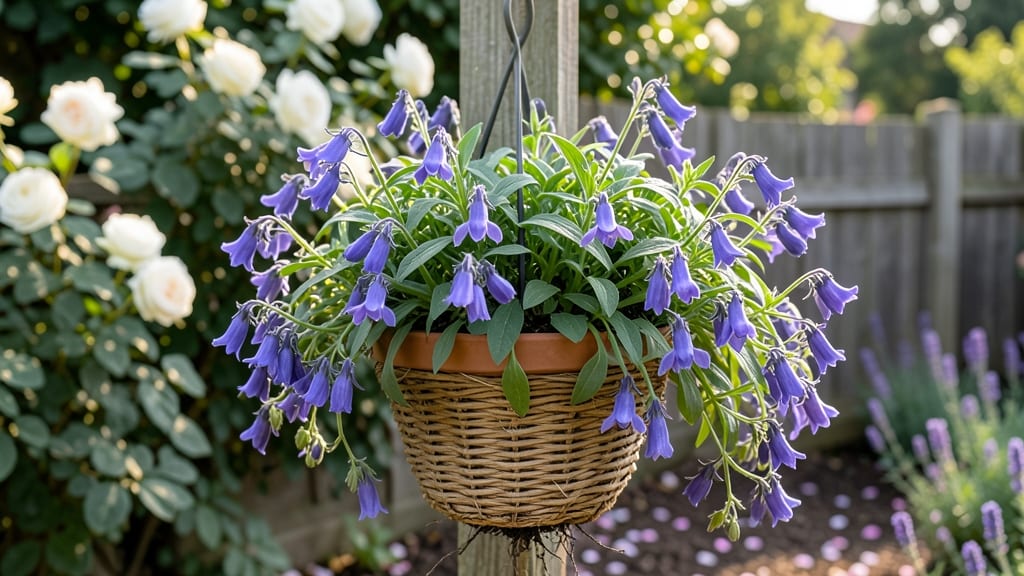
If you’ve ever wondered how tall does lobelia grow, the answer might surprise you—this delicate 🌸 Lobelia packs a punch in tiny spaces!
Whether you’re dreaming of cascading blooms in hanging baskets or neat mounds along garden borders, understanding its growth habits is the key to keeping it lush and contained.
Most gardeners assume lobelia stays short, but the truth is more nuanced. Dwarf varieties like Lobelia erinus typically max out at 6-12 inches, while trailing types can stretch up to 3 feet when given the right conditions.
The secret? Proper spacing, pruning, and sunlight exposure make all the difference in controlling its height.
Let’s dive into the specifics: from ideal spacing for containers to pruning tips that keep lobelia compact, you’ll learn how to harness its natural growth patterns. Whether you’re a seasoned gardener or just starting, these insights will help you create stunning displays without overcrowding.
Ready to transform your garden with lobelia’s vibrant blooms? I’ll walk you through everything you need to know—so you can enjoy its beauty without the guesswork.


Lobelia height variations: compact vs trailing types explained
Lobelia’s height can vary dramatically from 4 inches to over 3 feet, depending on the variety and growing conditions. Unlike many flowers, lobelia offers three distinct growth habits: dwarf mounds, standard upright, and trailing cascades.
Understanding these differences helps you choose the perfect lobelia for your garden containers, borders, or hanging baskets.
The most common dwarf varieties like Lobelia erinus stay between 6-12 inches tall, making them ideal for window boxes and fairy gardens. Meanwhile, trailing types like 'Sapphire Showers' can stretch 18-36 inches long when allowed to cascade over container edges.
This versatility lets you customize lobelia’s height to fit any space.
🌱
| Variety Type | Mature Height | Spread | Best Uses |
|---|---|---|---|
| Dwarf Mound | 6-12 inches | 12-18 inches | Window boxes, fairy gardens, borders |
| Standard Upright | 12-24 inches | 12-20 inches | Patio pots, garden beds, mixed containers |
| Trailing Cascade | 6-12 inches (upright) | 18-36 inches | Hanging baskets, trellises, vertical gardens |
Sunlight plays a crucial role in determining lobelia’s final height. While most varieties thrive in partial shade, those receiving full sun may grow 20% taller but require more frequent watering. In shadier spots, lobelia stays compact and produces denser foliage, perfect for woodland garden edges.
Container size also affects height—root-bound lobelia in small pots will focus energy on leafy growth rather than height, while larger containers encourage taller, more robust plants.
For example, a 6-inch pot will keep dwarf varieties under 8 inches tall, while a 12-inch pot might see them reach 12 inches.
Pruning habits can further shape lobelia’s height. Regularly pinching back trailing stems encourages bushier growth, while allowing them to grow freely results in longer, more dramatic cascades. This technique is especially useful for hanging baskets, where you want a lush, full look without overcrowding.
🌿
One common misconception is that all lobelia varieties grow equally. In reality, upright types like 'Queen Victoria' can reach 2 feet tall while maintaining a 1-foot spread, while trailing types like 'Crystal Palace' prioritize length over height.
Knowing these distinctions helps you avoid planting height mismatches in your garden design.
For small-space gardening, dwarf lobelia varieties are your best friends. Their 4-8 inch height makes them perfect for window boxes, fairy gardens, or even as edging plants along garden paths. Even in these compact forms, lobelia delivers prolonged blooms from spring through fall with minimal maintenance.
🪴
Optimal spacing and pruning secrets to control lobelia growth
Lobelia’s height may stay modest, but proper spacing and pruning techniques can transform it from a scraggly mess into a lush, blooming powerhouse. Whether you’re growing mound-forming varieties or trailing types, spacing ensures air circulation and prevents disease while maximizing your garden’s visual impact.
For compact lobelia varieties (like 'Crystal Palace'), space plants 6-8 inches apart in borders or window boxes. This allows their semi-upright stems to fill out without competing for nutrients. If planting in hanging baskets, use 3-4 plants per 12-inch basket to create a cascading effect without overcrowding.
Trailing varieties (such as 'Laceace') need 12-18 inches of space between plants when grown in garden beds, as their 18-36 inch vines will spread outward.
In hanging baskets, these types can sprawl 24+ inches, so pair them with complementary fillers like sweet alyssum or calibrachoa to create a layered look.
Pruning is key to controlling lobelia’s growth and encouraging bushier blooms. Pinch back the tips of new growth in early summer to promote branching. For trailing varieties, trim leggy stems to 6-8 inches to redirect energy into flower production rather than vine extension.
Deadheading spent blooms weekly prevents seed formation and encourages continuous flowering. Use clean, sharp scissors to snip just above a set of leaves, avoiding the woody stems. This simple step can extend your lobelia’s bloom time by several weeks, especially in hot summer months.
In late summer, give your lobelia a light haircut by trimming back one-third of the plant’s height. This rejuvenates growth and prepares it for a second flush of blooms in fall. Avoid heavy pruning after mid-September, as lobelia needs time to harden off before frost.
Remember, lobelia thrives on regular maintenance. With the right spacing and pruning, you’ll enjoy compact, vibrant blooms all season long—without the plant outgrowing its space. Happy pruning! 🌿