
How To
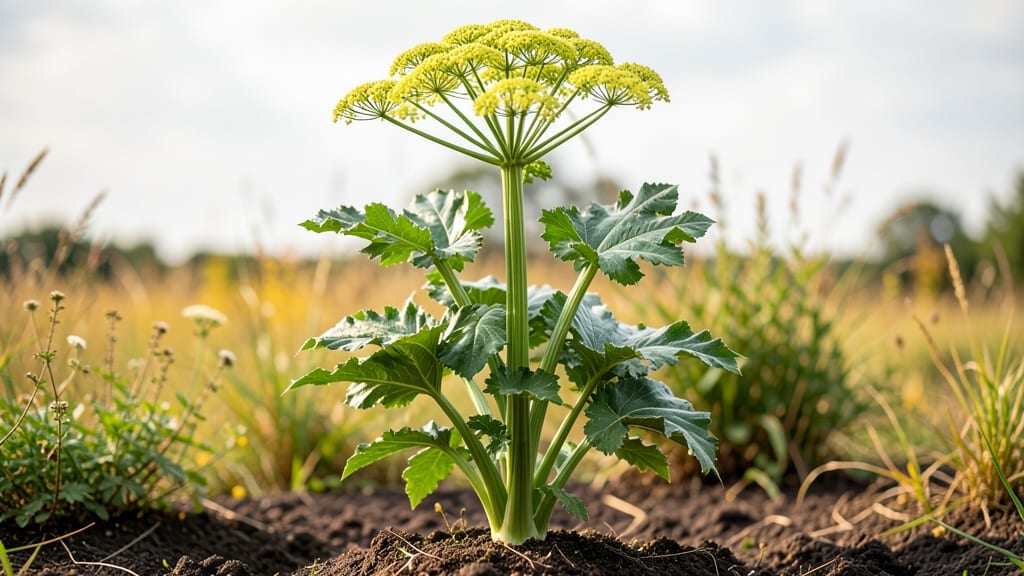
If you're wondering how tall does lovage grow, the answer might surprise you—this hardy herb can shoot up like a verdant skyscraper, reaching heights of 5 to 6 feet when fully mature.
For gardeners in USDA Zone 6, lovage’s towering stems become a striking feature, especially when planted in spring after the last frost.
But don’t let its height intimidate you—lovage’s growth is manageable with the right spacing and care. In its first year, you’ll see modest 1-2 feet of growth, but by year two, it transforms into a lush, 4-5 foot perennial that thrives in full sun.
The key to keeping it under control? Pruning and strategic placement in your garden layout.
Whether you’re using lovage as a backdrop for flowers or a windbreak for your veggie patch, understanding its growth habits helps you make the most of its space.
With proper pruning, you can even encourage bushier growth instead of letting it stretch skyward. Ready to harness lovage’s potential without sacrificing your garden’s balance?
Let’s dive into how to manage its height so you can enjoy this versatile herb without the overgrowth worries. You’ll learn spacing tricks, pruning timelines, and even how to repurpose its towering stems for culinary and decorative uses. Your garden—and your lovage—will thank you!


Lovage height range: how tall it grows in different climates
Lovage (Levisticum officinale) is a bold, architectural herb that can reach 3 to 6 feet tall under ideal conditions, making it a standout in perennial gardens.
Its tall, sturdy stems and lacy foliage create a dramatic vertical presence, but its height varies based on climate, soil quality, and sunlight exposure. Understanding these factors helps you plan spacing and support structures to maximize its potential without sacrificing garden harmony.
In cool, temperate climates (USDA Zones 4–7), lovage typically matures between 4 and 5 feet, thriving in long, frost-free summers.
Meanwhile, in warmer regions (Zones 8–10), it may stretch closer to 6 feet due to extended growing seasons. Poor soil or drought stress, however, can stunt growth to 2–3 feet, so amending soil with organic matter is key to encouraging its full height.
Here’s how lovage’s height compares across key growing conditions:
| Condition | Height Range | Growth Notes |
|---|---|---|
| Full Sun (6+ hours) | 5–6 ft | Optimal for tallest growth; stems thicken with sunlight. |
| Partial Shade (3–4 hours) | 3–4 ft | Slower growth; leaves may yellow without enough light. |
| Rich, Moist Soil | 5–6 ft | Well-draining, compost-amended soil fuels rapid vertical growth. |
| Poor Soil/Drought | 2–3 ft | Stunted growth; prioritize mulching to retain moisture. |
| Cool Climates (Zones 4–6) | 4–5 ft | Slower early growth; reaches full height by late summer. |
| Warm Climates (Zones 8–10) | 5–6 ft | Extended growing season allows taller, more robust stems. |
If you’re growing lovage in containers, expect shorter heights (3–4 feet) due to root restrictions. However, deep pots (18+ inches) with well-draining mix can support taller growth. For in-ground plantings, space lovage 2–3 feet apart to prevent overcrowding, which can limit airflow and height potential.
Pro Tip: Lovage’s height is most dramatic in its second and third years, when the plant establishes a strong root system. In year one, it typically stays 1–2 feet tall, so patience pays off for those coveted towering stems. Mulching with compost or straw in early spring encourages deeper roots, which translates to taller, sturdier growth later in the season.
For gardeners in small spaces, lovage’s height can be managed with regular pruning (see next section) or by selecting dwarf varieties (though true dwarf lovage is rare—most varieties hit 3–6 feet).
Its lacy foliage also makes it a great backdrop plant, screening unsightly areas while adding texture to borders.
In my own garden, I’ve found that lovage thrives when planted near tall perennials like hollyhocks or sunflowers, creating a layered, wildflower-meets-herbaceous look. Just be prepared to stake taller specimens in windy areas to prevent flopping—especially if you’re harvesting stems for culinary use.
🌿
Lovage height range: how tall it grows in different climates
Lovage (Levisticum officinale) is a towering perennial that can reach 3 to 6 feet tall under ideal conditions. In my USDA Zone 6 garden, mature plants often hit 5 feet by mid-summer, while cooler climates may see slightly shorter growth.
The key factors influencing height include sunlight exposure, soil fertility, and water availability—all of which we’ll explore below.
In warm, sunny climates like Zone 8 or 9, lovage can exceed 6 feet, especially if given rich, well-draining soil and consistent moisture. Conversely, in cooler or shaded spots, growth may max out at 3 to 4 feet.
Understanding these variations helps you plan spacing and support structures before planting.
Here’s how lovage’s height compares across different growing conditions:
Soil quality plays a huge role in lovage’s height. Amending clay-heavy or sandy soils with compost or aged manure can push growth toward the higher end of the range.
I’ve seen lovage in loamy garden beds hit 6 feet within two growing seasons, while plants in compacted soil struggled to exceed 3 feet.
If you’re growing lovage in containers, expect shorter heights—typically 2 to 4 feet—due to root restriction. However, deep pots (18+ inches) with well-draining mix can still support robust growth. For small-space gardens, dwarf varieties (though rare) or pruning techniques can help manage height naturally.
Pro tip: Stake or cage lovage early if you want to maximize height without risking flopping stems. I use bamboo stakes tied to the main stems in late spring to support the woody, upright growth—especially in windy areas.