
How To
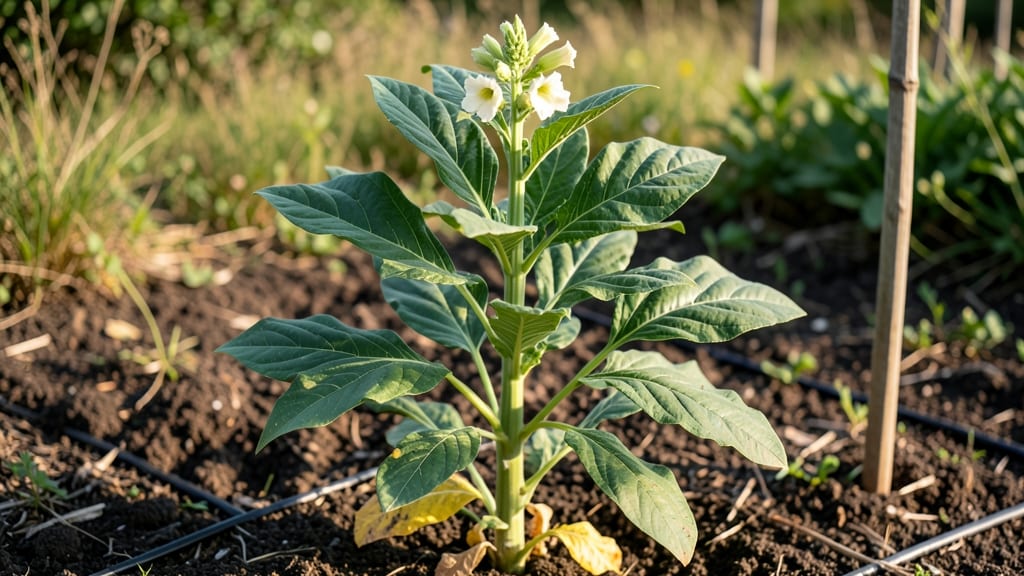
If you're wondering how tall does tobacco grow, the answer might surprise you—some varieties barely reach waist height, while others can stretch taller than you are! Whether you're planning a small garden plot or a larger cultivation space, understanding tobacco's growth patterns is key to success.
Tobacco plants like 🚭 Nicotiana come in a wide range of heights, from compact ornamental types to towering commercial varieties. For home gardeners in USDA Zone 6a, knowing these differences helps with spacing, sunlight exposure, and even pest management.
The right variety can fit neatly into a backyard plot or require dedicated space like a small greenhouse.
In this guide, I'll break down the height variations you can expect, from dwarf types that stay under 3 feet to giant varieties that can reach 6 feet or more.
You'll also discover how soil quality, sunlight, and pruning techniques can influence growth—so you can grow tobacco that thrives in your specific conditions.
Ready to plan your tobacco garden? Let's dive into the details so you can choose the perfect variety for your space and growing goals. Whether you're a beginner or an experienced gardener, these insights will help you cultivate tobacco with confidence.


Tobacco plant height by variety: dwarf vs tall vs giant species
Tobacco plants vary dramatically in height depending on the variety and intended use. Ornamental Nicotiana species often stay compact, while commercial cigar or pipe tobacco varieties can reach impressive heights. Knowing these differences helps you plan your garden layout and choose the right species for your space.
For example, dwarf varieties like Nicotiana sylvestris typically max out at 2-3 feet, making them perfect for containers or small gardens. Meanwhile, standard tobacco plants like Nicotiana tabacum can stretch 4-6 feet tall, requiring more space and support.
Here’s how the most common tobacco types compare in terms of height:
Tobacco Height Comparison
| Variety Type | Common Height Range | Best For | Notes |
|---|---|---|---|
| Ornamental Nicotiana | 1-3 ft | Containers, borders | Fast-growing, fragrant flowers |
| Dwarf Tobacco | 2-3 ft | Small gardens, pots | Slower leaf production |
| Standard Tobacco | 4-6 ft | Cigar, pipe, commercial | Requires staking |
| Giant Varieties | 5-7 ft | Large gardens, experimental | Needs strong support |
If you’re growing cigar tobacco, expect plants to reach 5-6 feet with proper care. These varieties need ample space to develop broad leaves, which are essential for rolling.
In contrast, ornamental Nicotiana varieties like Nicotiana alata stay under 3 feet and bloom with fragrant flowers, making them ideal for decorative purposes.
For pipe tobacco enthusiasts, Nicotiana rustica is a popular choice, often growing 3-5 feet tall. This variety is hardier and produces smaller but flavorful leaves, perfect for pipes. Always check seed packets for specific height expectations, as even within the same category, variations exist.
In my own garden, I’ve found that dwarf varieties thrive in containers, while taller types need dedicated garden beds. Proper spacing is critical—crowding leads to poor airflow and increased disease risk. For example, standard tobacco plants should have at least 2 feet of space between them to grow optimally.
One common misconception is that all tobacco plants grow tall. In reality, some ornamental Nicotiana varieties are bred to stay compact, making them perfect for urban gardeners with limited space. Always research the specific variety before planting to avoid surprises.
For those growing tobacco in USDA Zone 6a or warmer, taller varieties can benefit from trellising or caging to support their weight. Without support, stems may bend or break, reducing yield and quality. I recommend using bamboo stakes or wire cages for stability.
Finally, remember that height isn’t the only factor—leaf size and growth rate also vary. Some dwarf varieties produce smaller leaves but mature faster, while taller types yield larger leaves but take longer to develop. Balance your expectations with your garden’s available space and your intended use for the tobacco.
Why tobacco height matters: space, sunlight, and growing conditions
Tobacco plants aren’t one-size-fits-all when it comes to height—each variety demands a different approach to space management and light exposure. A 6-foot cigar tobacco planted in a 4-foot container will struggle, while a 2-foot ornamental variety might flop in a crowded bed.
Understanding these needs helps you avoid stunted growth or overcrowding issues.
Taller tobacco varieties, like Maryland Mammoth, can reach 6 feet or more, requiring full sun exposure for optimal leaf development. Without enough light, stems grow leggy and weak, reducing yield quality.
Shorter varieties, such as Nicotiana sylvestris, thrive in smaller spaces but still need at least 4-6 hours of sunlight daily.
Airflow is another critical factor influenced by height. Tall, dense tobacco plants create microclimates where humidity builds up, increasing the risk of fungal diseases like black shank. Proper spacing—18-24 inches apart for tall varieties—ensures circulation and sunlight penetration to all leaves.
🚨 Callout Warning ⚠️
Climate also plays a role in height regulation. In cooler regions (USDA Zones 5-6), tobacco may grow shorter and bushier due to slower growth rates, while warmer zones (7-10) can produce taller, faster-growing plants.
If you’re in a small garden, opt for dwarf or semi-dwarf varieties like Bel W3 or Savannah, which max out at 3-4 feet.
For container growing, choose compact varieties and ensure pots are at least 12 inches deep. Shallow containers stunt root growth, leading to weaker stems and lower yields. If you’re growing tall tobacco in containers, use trellises or cages to support the weight and encourage upward growth.
Finally, soil fertility impacts height. Nitrogen-rich soils promote leafy, lush growth, but too much can result in taller, weaker stems. Balance with phosphorus and potassium for stronger structural growth.
A soil test before planting ensures you’re providing the right nutrients for your chosen variety’s ideal height and yield.