
Plants
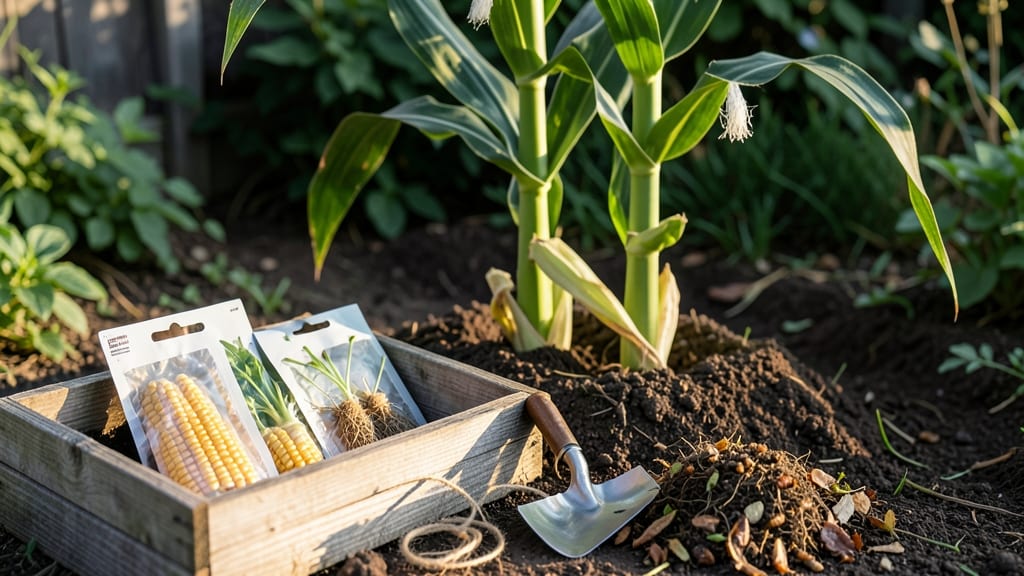
Timing your 🌽 corn planting in Washington State isn’t just about following a calendar—it’s about reading your microclimate like a pro. Whether you’re in the cooler Puget Sound or the hotter inland valleys, getting it wrong can mean the difference between a bumper crop and a sad, stunted harvest.
Here’s the truth: Washington’s diverse growing zones—from USDA 5 in the mountains to USDA 8 near the coast—demand different strategies. Plant too early, and your seeds might rot in cold soil.
Too late, and you’ll miss the sweet spot for peak flavor and yield. I’ll break down the exact windows you need to nail it, so you can start planting with confidence.
Let’s start with the basics: soil temperature matters more than dates. Corn thrives when the ground hits 50–60°F, but that timing shifts wildly between Seattle’s mild springs and Spokane’s crisp mornings.
You’ll also learn how to pick the right variety—early-season types for cooler zones or heat-loving hybrids for the Columbia Basin—to lock in a harvest before fall frost creeps in.
Ready to avoid the common pitfalls? I’ll show you how to adjust your schedule based on your exact location, plus pro tips for extending the season if Mother Nature throws you a curveball. Let’s get your corn off to the best possible start.
Washington State corn planting zones: soil temperature & frost-free dates by region
Washington State’s diverse geography means corn planting timing varies dramatically from the mild coastal regions to the hotter inland valleys. In Western WA, where Puget Sound keeps temperatures moderate, corn thrives with an earlier start.
Meanwhile, Eastern WA and the Columbia Basin experience hotter summers but cooler springs, requiring later planting to avoid frost damage.
Corn seeds need soil temperatures between 50-60°F to germinate successfully. In Seattle and Bellingham, soil warms enough by late April to early May, while Spokane and Yakima often wait until mid-to-late May.
The last frost dates further influence timing—coastal areas like Olympia average April 15, while inland Wenatchee can see frost as late as May 15.
Here’s how to align your planting with Washington’s microclimates for optimal growth:
| Region | Last Frost Date | Ideal Planting Window | Soil Temp (50-60°F) | Notes |
|---|---|---|---|---|
| Western WA (Seattle, Bellingham) | April 15 | Late April - Early May | Late April | Cooler summers; choose early-maturing varieties. |
| Puget Sound (Olympia, Tacoma) | April 20 | Early May | Early May | Moderate climate; extend season with row covers. |
| Eastern WA (Spokane, Yakima) | May 15 | Mid-to-Late May | Mid-May | Hotter summers; plant heat-tolerant varieties. |
| Columbia Basin (Wenatchee, Moses Lake) | May 10 | Late May | Late May | Longer growing season; late planting avoids early frost. |
For gardeners in Western WA, aim to plant sweet corn varieties like ‘Ambrosia’ or ‘Silver Queen’ by May 1 to ensure harvest before fall frost.
In Eastern WA, opt for heat-tolerant hybrids such as ‘Peaches and Cream’ or ‘Bodacious’, planting no later than May 20 to avoid stunted growth from late-season heat.
Use a soil thermometer to confirm readiness—corn seeds won’t sprout in cold soil, even if frost risk has passed. In cooler microclimates, like the San Juan Islands, consider black plastic mulch to warm the soil 2-3 weeks earlier than unamended beds.
Pro tip: In Western WA, plant a second crop of short-season varieties in late June for a fall harvest. This works because the region’s longer daylight hours in summer can push corn to maturity faster than expected.
Remember, fall frost dates are just as critical as spring ones. In Spokane, the first frost often hits by October 15, while Seattle may see frost as late as November 1. Plan your corn variety based on these dates to avoid wasted effort.
If you’re unsure about your local frost dates, check the USDA Plant Hardiness Zone Map for your area. Most of Washington State falls within USDA Zones 5-8, but microclimates can shift zones by 1-2 levels—especially in urban heat islands like Spokane or Tacoma.
For a foolproof approach, start seeds indoors 2-3 weeks before your target outdoor planting date. This gives seedlings a head start and helps you time transplants perfectly with soil warming trends.
How to adjust planting timing for early vs. late corn varieties in WA
Choosing the right corn variety and planting it at the perfect time is key to avoiding fall frost and maximizing your harvest in Washington. The Puget Sound region and eastern WA have different needs—cool coastal areas benefit from early-maturing varieties, while hotter inland zones can handle longer-season types.
For short-season varieties (70–85 days to maturity), aim to plant in late April to early May in Western WA. These include sweet corn like 'Golden Bantam' or 'Ambrosia,' perfect for areas with shorter growing seasons.
In Eastern WA, where summers are hotter, you can push planting to mid-May for these varieties.
Mid-season varieties (100–110 days) like 'Silver Queen' or 'Peaches and Cream' thrive when planted in early to mid-May across most of Washington. These need a longer growing season, so avoid planting them too late—fall frost can ruin your harvest before maturity.
⚠️ Pros & Cons of Early vs. Late Varieties
✅ Faster harvest (70–85 days)
✅ Lower frost risk in cooler zones
✅ Good for containers or small gardens
❌ Smaller ears per plant
✅ Larger ears and higher yield
✅ Better for hot climates (Eastern WA)
✅ Extended harvest window
❌ Higher frost risk if planted late
🌽 Pro Tip: Plant a mix of early and late varieties for a staggered harvest!
For continuous harvests, stagger planting by 2–3 weeks—start with early varieties in late April and follow with mid-season types in early May. This ensures you have fresh corn from July through September, even in cooler microclimates like Mount Rainier or San Juan Islands.
If you're in Zone 7 or 8 (e.g., Yakima or Wenatchee), don’t hesitate to plant late-season varieties like 'Country Gentleman' (120 days) in early to mid-May. These thrive in the hotter inland valleys and can produce bumper crops if protected from early fall frosts.
Always check your local frost dates—use the USDA Plant Hardiness Zone Map and resources like the WA State University Extension for updates. Adjust your planting window by 1–2 weeks if your area has a history of unpredictable weather.