
Plants
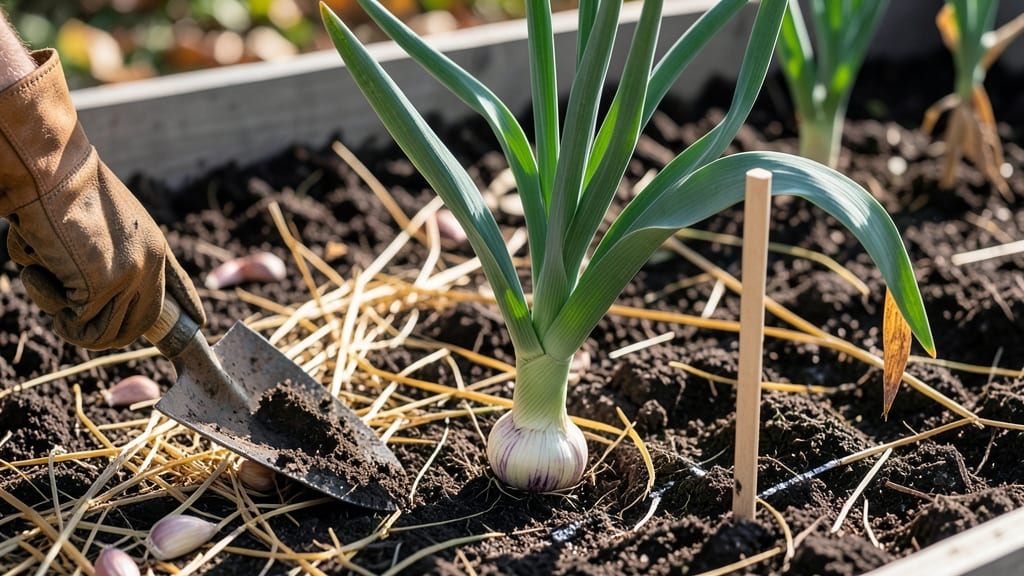
Timing your garlic 🧄 planting in New York isn’t just about the calendar—it’s about outsmarting the region’s unpredictable frosts and microclimates.
Whether you’re in the Hudson Valley’s chilly pockets or Long Island’s milder coastal areas, planting too early or late can mean the difference between bold, pungent bulbs and a disappointing harvest.
Most gardeners swear by fall planting, but New York’s 5b-7b zones demand precision: mid-October to early November for hardneck varieties or early spring in March for softneck.
The key? Getting cloves in the ground 4-6 weeks before the first frost—when soil temps hover around 40°F—so roots establish before winter sets in.
Here’s the game-changer: regional tweaks matter. Upstate NY’s earlier frosts shift planting dates by weeks compared to NYC’s urban heat islands. I’ll break down the exact windows for your corner of the state, plus 5 critical factors to adjust for soil, elevation, and even your backyard’s microclimate.
Ready to grow garlic that’ll make your neighbors green with envy? Let’s dive into the science—and the secrets—behind New York’s most rewarding crop.
New York garlic planting zones: exact dates by microclimate (Hudson Valley vs. NYC vs. Long Island)
New York’s garlic planting calendar isn’t one-size-fits-all. The Hudson Valley’s early frosts demand late-summer plantings, while Long Island’s coastal warmth allows early-November flexibility. Even NYC’s urban heat islands can push dates by 1-2 weeks.
To grow bold, flavorful bulbs, align your schedule with your region’s first frost dates and soil temperature thresholds.
Garlic thrives when planted 4-6 weeks before ground freezes. In USDA Zones 5b-7b, this translates to mid-October to early November for fall plantings. Spring plantings (early March) work too, but hardneck varieties—like ‘Music’ or ‘German White’—prefer fall, while softneck types (e.g., ‘Silverskin’) tolerate spring.
Let’s break down your exact window.
🌱 New York Garlic Planting Zones Comparison
| Region | Fall Planting Window | Spring Planting Window | First Frost Date | Soil Temp Threshold |
|---|---|---|---|---|
| Hudson Valley (Zone 5b-6a) | Late September – October 15 | Early March – March 15 | October 10-20 | 40°F (4°C) (6 weeks before frost) |
| NYC (Zone 6b-7a) | October 1-15 | March 1-15 | October 20-30 | 45°F (7°C) (urban warmth delays frost) |
| Long Island (Zone 7a-7b) | October 15-30 | March 15-April 1 | November 1-10 | 50°F (10°C) (coastal moderation) |
*Adjust for elevation: Add 1 week earlier per 1,000ft above sea level.
Your soil temperature is the real game-changer. Garlic cloves need 40-50°F (4-10°C) to root before winter. Use a soil thermometer—if temps drop below 32°F (0°C), your cloves risk frost damage.
In the Hudson Valley, aim for late September plantings to beat the October 15 frost line. Meanwhile, Long Island gardeners can push to October 30 thanks to coastal buffering.
Pro tip: Hardneck varieties (like ‘Chesnok Red’) need cold vernalization to form bulbs, so fall planting is non-negotiable. Softnecks (e.g., ‘Artichoke’) are more forgiving—spring plantings work, but bulbs may be smaller.
For maximum yield, stick to fall and choose locally adapted varieties like ‘German White’ for Upstate or ‘Music’ for coastal areas.
Don’t overlook microclimates within regions. A south-facing slope in the Catskills might add 2 weeks to your window, while a shady NYC courtyard could delay planting by 1 week. Test your soil’s drainage too—garlic hates soggy winters. Amend heavy clay with compost or sand to prevent rot.
For urban gardeners, container growing extends flexibility. Use 12-inch-deep pots with well-draining mix (50% soil, 50% compost). Plant 2 weeks later than ground dates—containers warm faster and dry out quicker. Just ensure pots stay frost-proof with insulated wraps or move them to unheated garages in deep freezes.
Timing isn’t just about frost—it’s about daylength. Garlic bulbs form when daylight shortens (below 12 hours). In NYC, this happens by late October; in Buffalo, it’s early October.
Plant too late, and you’ll get leafy scapes but tiny bulbs. Too early? Cloves may sprout before winter and rot.
Track your local frost dates using the National Weather Service or Almanac.com. For 2024, Hudson Valley gardeners should plant by October 10, while Long Island can wait until October 25.
Set a calendar reminder 6 weeks before your average first frost—that’s your planting deadline. Miss it, and you’ll either face frozen soil
5 Critical factors that determine your perfect garlic planting window in NY
New York’s garlic planting success hinges on 5 key factors that shift planting dates by weeks—or even months—across the state. Ignoring these means risking frozen cloves or underdeveloped bulbs. Let’s break down what truly matters beyond just the calendar.
First, soil temperature is non-negotiable. Garlic cloves need 40-50°F soil to sprout, but roots establish best when temps hover around 32-40°F. In Upstate NY, this happens by mid-October, while Long Island’s warmer soils may wait until late October. Use a soil thermometer to confirm—don’t guess!
Elevation changes everything. A 1,000-foot elevation gain can delay frost by 2-3 weeks. That’s why Adirondack growers plant garlic in late September, while NYC rooftop gardeners aim for early November. Check your USDA zone (5b-7b in NY) and adjust 2 weeks earlier for every 1,000 feet up.
- Soil Temperature: Plant when soil is 40-50°F (use a thermometer!). Upstate: Mid-October | NYC/Long Island: Late October.
- Elevation: Adjust 2 weeks earlier per 1,000 ft. Adirondacks = late Sept; NYC = early Nov.
- Urban Heat Islands: City soils stay 5-10°F warmer than rural areas. Plant 1-2 weeks later in NYC vs. countryside.
- Clove Size: Save largest cloves (1.5"+ diameter) for fall planting—they yield 20% larger bulbs than small ones.
- Soil pH: Test for 6.0-7.0. Below 6.0? Add lime 4-6 weeks before planting. Above 7.0? Mix in sulfur.
Don’t overlook urban heat islands. Concrete and buildings trap heat, keeping NYC soils 5-10°F warmer than Westchester County just 40 miles north. This means delay planting by 1-2 weeks in the city—or risk cloves sprouting too early and rotting in warm, wet soil.
A quick soil probe test solves this.
Next, clove size matters more than you think. Save the largest cloves (1.5"+ diameter) for fall planting—they’ll produce 20% larger bulbs than tiny ones. Break apart garlic heads right before planting, and discard soft or shriveled cloves.
Pro tip: Hardneck varieties (like ‘Music’ or ‘German White’) thrive in NY’s winters, while softneck types need earlier spring planting.
Finally, soil pH can make or break your harvest. Garlic prefers 6.0-7.0 pH. Test your soil 6 weeks before planting—if it’s below 6.0, add pelletized lime; if above 7.0, mix in elemental sulfur. NY’s clay-heavy soils often skew acidic, so amend with compost too.
A well-prepped bed ensures bold, pungent bulbs by harvest.
Master these 5 factors, and you’ll nail New York garlic planting like a local—no more wasted cloves or underwhelming harvests. Grab your soil thermometer and get planting! 🌱