
Plants
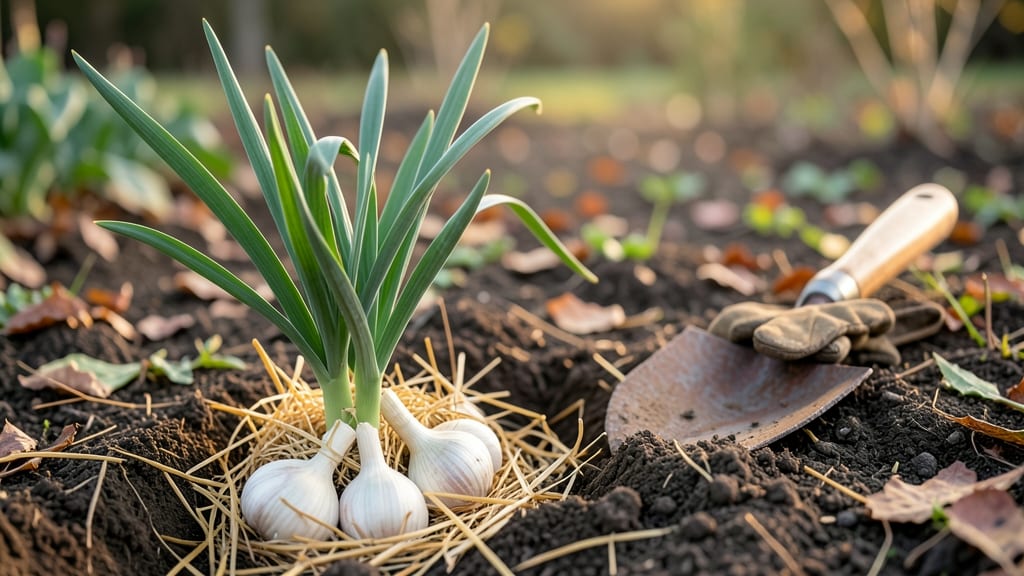
If you're asking "when do you plant garlic in Zone 5", the answer isn't just about the calendar—it's about catching that sweet spot between frost and freeze that turns cloves into flavor-packed bulbs.
Miss this window, and you might end up with nothing but a frozen memory of your gardening dreams.
For Zone 5 gardeners, the magic happens in late October to early November, when soil temps hover around 40-50°F. This timing lets your 🧄 garlic establish roots before winter while still getting the cold exposure it needs to form those prized bulbs.
Think of it like scheduling a winter vacation—you want to arrive early enough to settle in, but not so early that you miss the fun.
But here's the kicker: timing isn't just about the month—it's about your last frost date and how your specific sub-zone behaves. Plant too early, and your cloves might rot; too late, and they'll sit dormant all winter.
I'll walk you through exactly how to nail this 4-6 week window so you're planting at peak performance, no guesswork required.
Ready to grow garlic that'll make your neighbors jealous? Let's break down the exact steps—from soil prep to clove selection—to ensure your Zone 5 harvest is the best you've ever tasted. Spoiler: it starts with knowing when (and how) to plant.
Best planting months for hardneck garlic in Zone 5 (with exact dates)
Timing is the single most critical factor for growing hardneck garlic in Zone 5. Unlike many crops, garlic needs a period of cold weather to form bulbs properly, which is why planting in fall—not spring—is the gold standard for this region.
The ideal window falls between 4 to 6 weeks before your first hard frost, typically landing in late October to early November for most of Zone 5.
For example, if your average first frost date is November 15, aim to plant between October 15 and October 30. This timing ensures garlic gets the 60-day cold period it needs to develop flavorful bulbs.
Planting too early risks rotting, while planting too late may result in small, weak harvests.
Here’s the key: Soil temperature should be around 40-50°F (4-10°C) at planting time. Use a soil thermometer to check—if it’s warmer than 50°F, wait a few days. Cold soil helps prevent disease and encourages strong root growth right away.
Zone 5 spans a wide geographic range, so your exact dates may vary slightly. Northern parts of the zone (like Minnesota or Upstate New York) might plant as early as mid-September, while southern areas (like Northern Virginia or Kansas) can extend planting into early December.
Always check your local USDA Plant Hardiness Zone map for precision.
⚠️ Critical Visual Guide Below ⚠️
While fall planting is ideal, some gardeners attempt spring planting in Zone 5. This is risky because garlic planted in spring often produces smaller bulbs with fewer cloves, and the flavor may be milder.
If you must plant in spring, do so by March 1—but expect a 30-50% reduction in yield compared to fall-planted garlic.
Another pro tip: Chitting your garlic cloves before planting can give you a 2-3 week head start. Place cloves in a tray with the pointy end up and expose them to cool temperatures (around 50°F or 10°C) for 2-3 weeks.
This encourages early root growth, which translates to bigger bulbs by harvest time.
Finally, mark your calendar for harvest time, which typically falls between mid-July and early August in Zone 5. Look for brown lower leaves and papery skins—these are your cues that the bulbs are ready.
Don’t wait too long, or the skins will crack, exposing the cloves to sunlight and turning them green (a sign of allicin buildup, which is harmless but unappealing).
🌿 Remember, the 4-6 week window before frost is your sweet spot. Miss it, and you might as well be planting in spring—just with less success. With the right timing, you’ll be feasting on homegrown garlic that rivals anything you’ve ever bought at the store.
Best planting months for hardneck garlic in Zone 5 (with exact dates)
In Zone 5, garlic planting isn’t just about picking a month—it’s about hitting a 4-6 week window before the ground freezes. For most of Zone 5, this means planting between mid-October and early November.
The key? Your garlic needs 60-80 days of cold (below 40°F) to form bulbs, so timing aligns with your last frost date.
Miss this window, and you risk two problems: premature sprouting (if planted too early) or frozen cloves (if planted too late). Southern Zone 5 (e.g., St. Louis) can plant slightly later (early November), while northern areas (e.g., Chicago) should aim for mid-October.
Always check your local frost dates—they’re your gardening GPS!
| Zone 5 Region | Ideal Planting Window | Last Frost Deadline | Cold Requirement |
|---|---|---|---|
| Northern Zone 5 (Chicago, Detroit) | Mid-October to late October | November 15 | 70-80 days below 40°F |
| Central Zone 5 (St. Louis, Cincinnati) | Late October to early November | November 25 | 60-70 days below 40°F |
| Southern Zone 5 (Nashville, Roanoke) | Early November | December 10 | 50-60 days below 40°F |
Spring planting is possible in Zone 5, but it’s risky. If you plant in March or April, your garlic may bolt (send up a flower stalk) or produce small, pungent bulbs.
Only try spring planting if you’re growing softneck garlic (like Silverskin) for fresh use—not storage. For hardneck varieties, stick to fall!
Pro tip: Use the "60-day rule"—count back 60 days from your average last frost date. If your region’s last frost is November 15, plant by September 15 to ensure enough cold. But wait—this is for Zone 6+. Zone 5’s shorter growing season demands earlier action!
Don’t overthink moon phases for garlic, but do pay attention to soil temperature. Plant when soil is 40-50°F—warmer than that, and cloves may sprout too soon. Use a soil thermometer if you’re unsure. Patience here pays off with larger, more flavorful bulbs next summer.
Once planted, mulch with 4-6 inches of straw to protect cloves from freezing. This also suppresses weeds and retains moisture. By summer, you’ll have plump, papery-skinned garlic ready for harvest—all because you nailed the timing!