
Plants
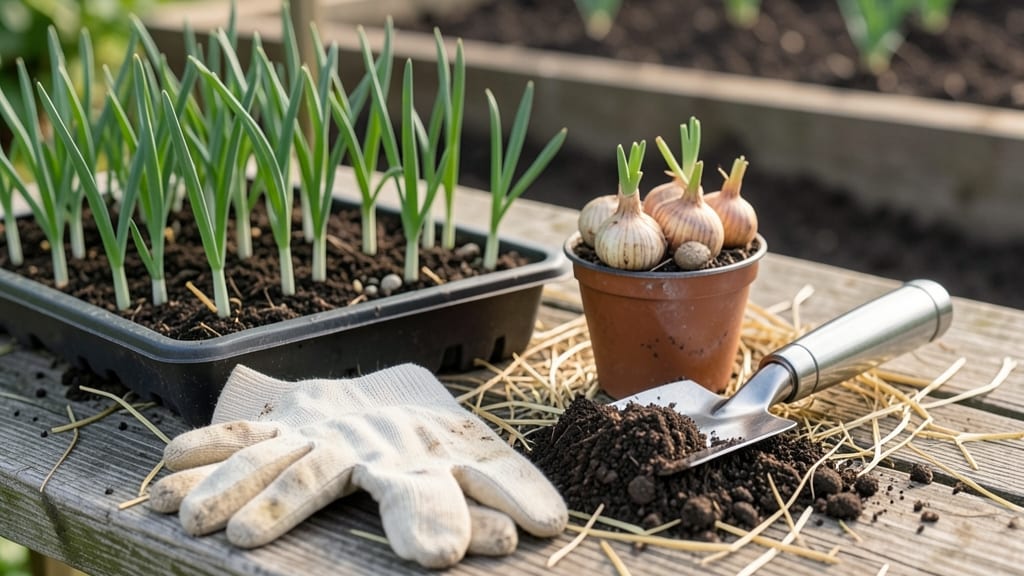
Planting onions in North Carolina might seem straightforward, but getting the timing right is the key to avoiding bitter bulbs or wasted effort. With zones ranging from 6b in the mountains to 8b along the coast, your planting window can shift dramatically depending on where you live.
Whether you're growing 🧅 from sets or seedlings, the ideal time to plant in North Carolina falls in late winter to early spring (February–March) for a summer harvest or late summer (August–September) for fall onions. These windows align with soil temperatures and daylight hours to prevent bolting—a gardener's worst nightmare.
For Piedmont gardeners in zones 7a-7b, aim for early March plantings, while coastal growers in 8a-8b can wait until late February. Mountain regions (zones 6a-7a) should push planting to April to avoid early frosts. I’ll break down exactly how to adjust for your specific microclimate.
Skip the guesswork and learn how to time your onion planting for maximum yield—no more shriveled bulbs or premature flowering. Let’s get your garden on track for a harvest that’ll make your taste buds dance.
North Carolina onion planting calendar by hardiness zone (5-8)
North Carolina spans USDA zones 5-8, meaning your onion planting schedule should shift depending on whether you’re in the mountains, piedmont, or coastal plains. The key is planting short-day, intermediate-day, or long-day varieties at the right time to prevent bolting (when onions flower prematurely instead of forming bulbs).
Let’s break it down by zone and season.
For spring onions, aim to plant 4-6 weeks before your last frost date. In the mountains (zones 5-6), this typically means late February to early March.
In the piedmont (zones 7a-7b), start in early March, while coastal areas (zones 8a-8b) can plant as late as mid-March. Fall planting for storage onions works best 10-12 weeks before the first frost, usually late August to early September.
Here’s a quick reference for your planting timeline, tailored to NC’s zones and whether you’re using sets, transplants, or seeds:
| Zone & Region | Spring Planting (Sets/Transplants) | Fall Planting (Sets/Transplants) | Notes |
|---|---|---|---|
| Mountains (5-6) | Late February - Early March | Late August - Early September | Use cold-hardy varieties like 'Candy' or 'Texas Early White'. |
| Piedmont (7a-7b) | Early March - Mid-March | Mid-August - Late August | Ideal for intermediate-day onions like 'Yellow Granex'. |
| Coastal (8a-8b) | Mid-March - Early April | Early September - Mid-September | Long-day varieties like 'Sweet Sandwich' thrive here. |
If you’re starting onions from seeds, begin indoors 8-10 weeks before transplanting (typically January for spring onions and July for fall onions). Seedlings need 6-8 weeks of indoor growing before hardening off and moving outdoors.
For direct sowing, plant seeds 4-6 weeks before your last frost date, but be prepared to protect them with row covers if frost threatens.
For long-day onions (common in NC’s coastal and piedmont regions), plant in early spring to avoid bolting.
These varieties need 14+ hours of daylight to form bulbs, so timing is critical. Short-day onions, like those grown in the mountains, can handle cooler temperatures and shorter days, making them ideal for fall planting.
Pro tip: Use a soil thermometer to check that soil temps are at least 40°F before planting. Cold soil can stunt growth or cause rot. In warmer zones (8a-8b), you can even plant green onions or scallions year-round, though they’ll bolt faster in summer.
Bolting is the biggest enemy of onion growers in NC. To prevent it, avoid over-fertilizing with nitrogen and plant at the correct time for your variety. If you notice onions sending up flower stalks, harvest the greens immediately for cooking or pull the plants—the bulbs won’t develop properly.
Once planted, maintain consistent moisture (about 1 inch of water per week) and mulch with straw or grass clippings to keep soil temps stable and weeds at bay. With the right timing, you’ll harvest plump, flavorful onions ready for storage or fresh eating by late spring or fall.
🌱
North Carolina onion planting calendar by hardiness zone (5-8)
North Carolina spans USDA zones 5-8, meaning your planting schedule should shift based on where you live. In the mountains (zones 5-6a), cooler temperatures allow for earlier spring planting, while the coastal plains (zones 7b-8b) demand later starts to avoid summer bolting.
The key is aligning your variety with your zone’s day-length requirements—short-day onions thrive in the mountains, while intermediate-day types suit the piedmont.
For spring onions, aim to plant 4-6 weeks before your last frost date. In the piedmont (zone 7a-7b), that’s typically mid-February to early March.
Coastal gardeners (zone 8a-8b) should wait until late February to March, while mountain growers (zone 5-6a) can start as early as January for a head start. Fall planting for overwintering onions should begin 10-12 weeks before your first frost, usually August to early September.
📅 North Carolina Onion Planting Timeline by Zone
| Zone | Spring Planting (Sets/Transplants) | Fall Planting (Overwintering) | Harvest Window |
|---|---|---|---|
| Mountains (5-6a) | Jan 15 - Feb 15 | Aug 1 - Sep 1 | May - July |
| Piedmont (7a-7b) | Feb 15 - Mar 15 | Aug 15 - Sep 10 | May - June |
| Coastal (8a-8b) | Mar 1 - Mar 31 | Sep 1 - Sep 20 | June - July |
If you’re growing from seeds instead of sets, start them indoors 8-10 weeks before transplanting. For example, coastal gardeners should begin seeds indoors in January for a March transplant, while mountain growers can start seeds in late December.
Seedlings need 4-6 weeks of indoor growth before hardening off, so plan accordingly to meet your zone’s outdoor readiness.
One common mistake is planting long-day onions (like Texas Early White) in the piedmont or mountains—they’ll bolt prematurely. Instead, opt for intermediate-day varieties (e.g., ‘Candy’ or ‘Yellow Granex’) in zones 6-7 and short-day types (e.g., ‘Red Creole’) in zone 5.
Always check seed packets for day-length recommendations to match your location.
For fall-planted onions, focus on varieties like ‘1015Y Yellow’ or ‘Sweet Sandwich’, which handle cooler temps well. Plant them 8-10 weeks before your first frost (usually August-September in NC) and harvest before winter sets in.
Use row covers in late fall to protect tender tops from light frosts, which can improve bulb quality.
Remember, soil temperature matters just as much as air temperature. Onions prefer soil that’s at least 40°F (4°C) for germination. In cooler zones, wait until the soil warms to 50°F (10°C) before planting sets.
Use a soil thermometer to check—this small tool can save you from planting too early and risking rot.