
Plants
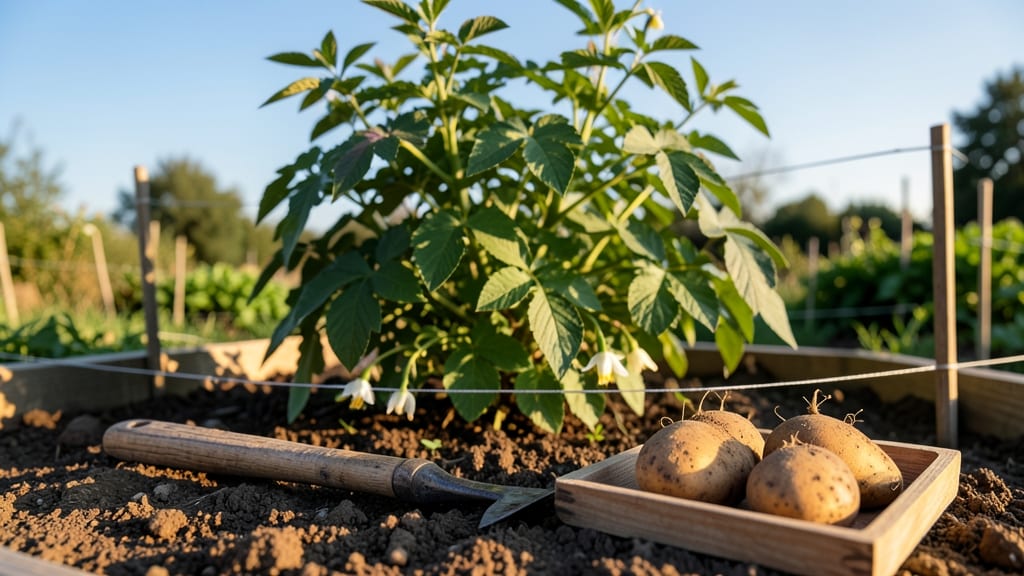
When do you plant potatoes in Zone 6? Timing your potato planting can mean the difference between a bountiful harvest and wasted effort—especially when the last frost looms just weeks away. Whether you're a seasoned gardener or just starting with your 🥔 patch, knowing the exact window to plant ensures your spuds thrive, not just survive. I've tested the best methods for early, mid-season, and late varieties, and what I'm about to share will help you avoid common mistakes that ruin yields.
Zone 6's unpredictable climate demands precision—plant too early, and frost can damage tender sprouts; too late, and you'll miss the growing season entirely. The key is understanding your local frost dates and soil temperature, which I'll break down into simple steps.
You'll discover how to adjust planting times for different varieties, whether you're aiming for a quick summer harvest or storing potatoes through winter.
This isn't just about throwing seed potatoes into the ground and hoping for the best. I'll show you how to time your planting for maximum tuber production, including when to start indoors if needed and how to extend your growing season.
With these strategies, you'll avoid the frustration of watching your potatoes struggle—and instead enjoy a garden full of flourishing plants.
Ready to transform your potato patch? Let's dive into the exact weeks before last frost that work best for Zone 6, plus tips to handle early spring planting and late-summer varieties. Your most productive potato harvest starts here.
Zone 6 potato planting schedule by variety type: exact weeks before last frost
In Zone 6, where last frost dates can vary from mid-April to early May depending on your exact location, timing your potato planting is critical for success.
The general rule is to plant 2-4 weeks before your last frost date, but this varies by potato variety and soil conditions. Early varieties need cooler soil, while late varieties thrive when the earth warms up.
For most of Zone 6 (think Ohio, Pennsylvania, or New York), aim to plant early potatoes 4-6 weeks before last frost and late varieties 2-3 weeks before. Soil temperature should be at least 45°F (7°C) for germination, but not so warm that seeds rot.
Use a soil thermometer to check—this small tool is a game-changer for precision planting.
Here’s the key: Early varieties (like Yukon Gold or Red Norland) can handle cooler soils and tolerate light frost, while late varieties (such as Russet Burbank) need warmer soil to avoid rotting.
If you’re unsure about your exact frost date, check your local USDA Plant Hardiness Zone Map or use a frost calendar from your state’s agricultural extension service.
If you’re planting in early spring (March-April), focus on early varieties like Kennebec or LaSoda, which tolerate cooler soils. These varieties are perfect for areas with late frosts, as they can handle light frost once established.
For late spring planting (May), opt for mid-to-late varieties like Russet or Sweet Potato (yes, some sweet potatoes are planted like potatoes!).
Don’t forget: Zone 6’s short growing season means you’ll want to prioritize fast-maturing varieties if you’re aiming for a harvest before the first frost in fall.
A general guideline is to plant early varieties in April, mid-season in late April-early May, and late varieties in early May. Adjust based on your specific last frost date—some years, it’s April 15, others May 10.
For succession planting, space out your plantings every 2-3 weeks to ensure a continuous harvest. This works especially well for early varieties, which can be replanted after your first harvest to extend your season. Just be sure to rotate planting spots to prevent disease buildup in the soil.
One common mistake in Zone 6 is waiting too long to plant because of unpredictable spring weather. If your soil is too cold (below 45°F), seeds won’t germinate, and you’ll waste your planting window.
Use black plastic mulch or straw mulch to warm the soil faster if needed—this can shave off critical weeks in cooler springs.
Finally, remember that potatoes are frost-tolerant once established, but young plants (2-3 weeks old) can be damaged by frost. If a late frost is forecasted after planting, cover seedlings with row fabric or old blankets to protect them.
This small step can mean the difference between a thriving crop and a failed planting.
Zone 6 potato planting schedule by variety type: exact weeks before last frost
In Zone 6, potatoes thrive when planted at the right time—typically 2-4 weeks before your last spring frost. This window ensures tubers develop before summer heat sets in.
For most Zone 6 regions (like Ohio or Pennsylvania), this means planting between late March and early May, depending on your exact frost date.
Potatoes fall into three categories: early, mid-season, and late varieties. Each has its own ideal planting window to ensure a harvest before the first fall frost.
Early varieties (like Yukon Gold) need to be in the ground first, while late varieties (like Russet Burbank) can wait until soil warms further.
| Variety Type | Planting Window (Weeks Before Last Frost) | Soil Temp for Germination | Days to Harvest |
|---|---|---|---|
| Early (e.g., Red Pontiac) | 4-6 weeks | 45-50°F | 60-80 days |
| Mid-season (e.g., Kennebec) | 2-4 weeks | 50-55°F | 80-100 days |
| Late (e.g., Russet) | 0-2 weeks | 55-60°F | 100-120 days |
For Zone 6 gardeners, soil temperature is just as critical as frost dates. Potatoes won’t sprout until the soil reaches 45°F, but ideal germination happens at 50-60°F. Use a soil thermometer to check—planting too early in cold soil can delay harvests or invite rot.
Pro tip: If your spring is unpredictable, opt for cold-hardy varieties like Adirondack Blue or German Butterball. These tolerate cooler soils and extend your planting window by 1-2 weeks without risking frost damage.
Fall planting is possible in Zone 6 for a late harvest, but only if you use early-maturing varieties and plant 6-8 weeks before your first frost. This works best in warmer microclimates or with row covers to protect young plants.
Always adjust for your local frost dates. Check your USDA Plant Hardiness Zone map and add 2-3 weeks of buffer time for safety. For example, if your last frost is April 15, plant early varieties by March 15.