
Plants
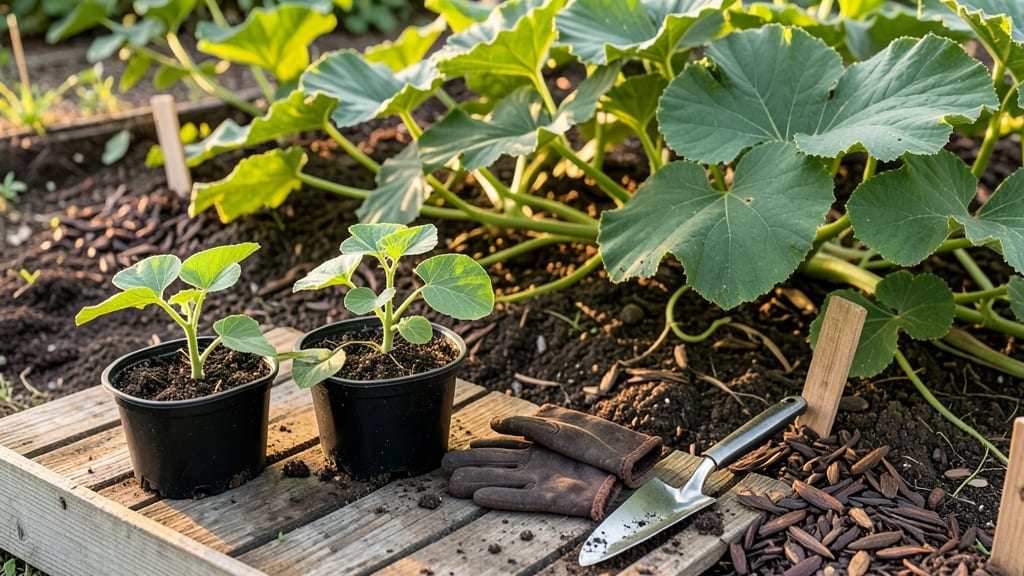
Planting pumpkins in Indiana isn’t just about timing—it’s about catching that sweet spot between frost and summer heat to grow healthy, thriving vines. With Zone 5b-6b conditions, getting the schedule wrong means either losing your crop to early frost or watching vines struggle in late starts.
I’ve grown pumpkins here for years, and the key is understanding Indiana’s average last frost date—usually around mid-April—and adjusting for your specific microclimate. Whether you’re planting directly in the ground or starting seeds indoors, the right window makes all the difference for a bountiful harvest by October.
In this guide, I’ll break down the exact planting timeline, soil prep tips, and how to avoid common mistakes that trip up even experienced gardeners. Let’s make sure your pumpkins 🎃 have the best possible start this spring.
You’ll learn how to time your planting for maximum growth, choose the right varieties, and even extend your season with simple tricks. Ready to grow pumpkins like a pro? Let’s get started.
Optimal pumpkin planting dates in Indiana (Zone 5-6) based on last frost
Indiana’s Zone 5-6 climate means pumpkins must be planted at the right time to avoid frost damage or immature harvests. The average last frost date falls between April 15 and May 15, but soil temperature is the real deciding factor.
Pumpkin seeds need soil temps of 60°F+ to germinate, and vines thrive with 70°F+ conditions.
Most Indiana gardeners opt for direct sowing after the last frost, but transplants can give you a 2-week head start. Since pumpkins take 75–100 days to mature, timing is everything.
Plant too early, and frost will kill tender seedlings; too late, and your harvest won’t ripen before first frost in October.
Here’s your Indiana pumpkin planting timeline broken down by method and regional variations:
For northern Indiana (e.g., Fort Wayne, Gary), aim for late April to early May to avoid late frosts. Southern Indiana (e.g., Evansville, Louisville) can push planting to mid-May while still harvesting before frost.
Always check your local frost dates using the Old Farmer’s Almanac or Indiana State Climate Office for year-to-year variations.
Pro tip: Use biodegradable seed starters or hill planting (3 seeds per mound, 12 inches apart) to improve germination rates in Indiana’s cool, wet springs. Space hills 4–6 feet apart to accommodate sprawling vines.
If you’re planting for Halloween, prioritize 75–85 day varieties like 'Cinderella' or 'Autumn Gold'. For pie pumpkins, opt for 'Sugar Pie' (80 days) or 'Waltham Butternut' (90 days).
Remember: Pumpkins need warmth to thrive. If your soil is below 60°F, delay planting or use row covers to warm the soil faster. Monitor soil temperature daily with a soil thermometer—it’s your best tool for Indiana’s unpredictable springs.
🌱
Now that you’ve got your planting dates locked in, let’s tackle Indiana-specific adjustments for soil, microclimates, and season extension. Not all gardens in the Hoosier State are created equal—northern Indiana’s shorter growing season demands different strategies than southern Indiana’s warmer microclimates. Let’s break it down.
Indiana’s USDA Zones 5b–6b mean you’ll face cool nights and variable weather, especially in northern counties like Lake or Porter. The key is preparing your soil and extending the season where possible.
Start with a soil test—pumpkins prefer pH 6.0–6.8, and Indiana’s clay-heavy soils often need amendments like compost or peat moss.
Here are 5 critical adjustments for Indiana gardeners:
- 🌡️ Warm the Soil: Use black plastic mulch 2–3 weeks before planting to raise soil temps by 10–15°F. This is a game-changer for northern Indiana.
- 💧 Drainage Fixes: Indiana’s clay soil can waterlog pumpkin roots. Amend beds with sand or perlite and plant on mounds for better drainage.
- ☀️ Microclimate Spotting: Southern exposures get 2–3 hours more sun
Optimal pumpkin planting dates in Indiana (Zone 5-6) based on last frost
Indiana’s Zone 5-6 climate gives you roughly 165 frost-free days, making timing critical for pumpkin success. Most varieties need 75–100 days to mature, so planting too late risks immature fruit before frost.
Aim for mid-April to early June, after your last average frost date (typically April 15 in southern Indiana, May 1 in northern areas).
Soil temperature is just as important as air temperature—pumpkin seeds won’t sprout until the soil reaches 60°F+. In cooler northern Indiana, wait until mid-May to ensure consistent germination. Use a soil thermometer to confirm readiness before planting.
Method Indiana Region Planting Window Soil Temp Notes Direct Sowing Southern Indiana (Zone 6) April 20–May 10 60°F+ Use black plastic mulch for earlier starts Direct Sowing Northern Indiana (Zone 5) May 10–June 1 65°F+ Wait for consistent 65°F soil temps Transplants (Indoor Start) All Regions March 1–April 15 (indoors) N/A Transplant after last frost, harden off seedlings Late Varieties Northern Indiana June 1–15 70°F+ Choose 90-day varieties like 'Jack Be Little' For direct sowing, plant seeds 1 inch deep in hills spaced 4–6 feet apart. This method works best in southern Indiana where frost arrives later. In northern areas, transplants give you a head start—start seeds indoors 4–6 weeks before your last frost date.
If you’re in a cooler microclimate, consider black plastic mulch or row covers to warm the soil faster. These tricks can shave 1–2 weeks off your planting window, letting you start earlier without frost risk. Always monitor local forecasts—Indiana’s spring can be unpredictable!
Pro tip: Mark your calendar for September 15 as your harvest deadline. Pumpkins need 10–14 days to fully mature after flowering, so plan backward from your first frost date (October 15 in most of Indiana).