
Plants
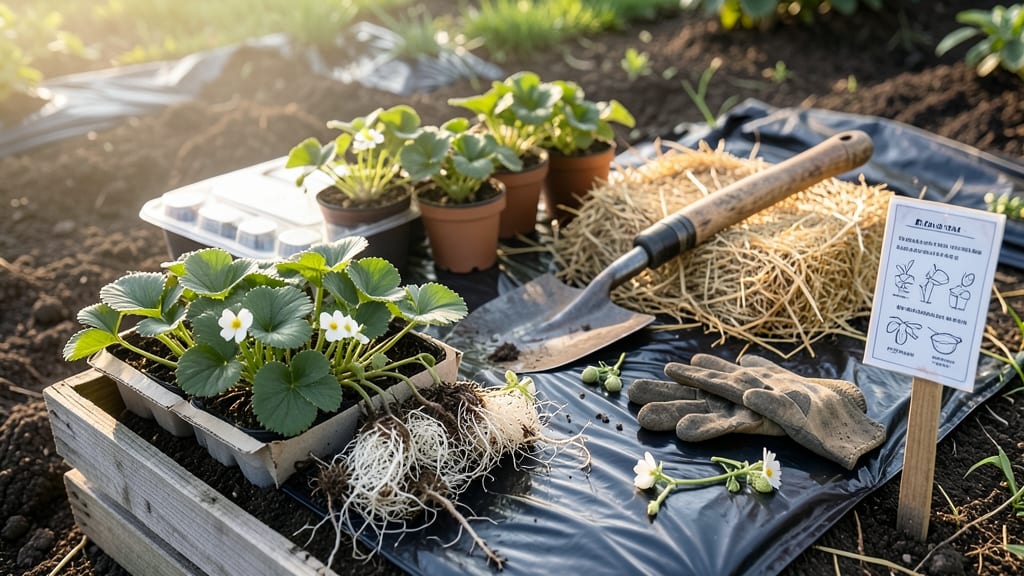
Optimal strawberry planting dates in Michigan Zones 5 & 6 (with frost risk factors)
Michigan’s variable climate makes timing critical for strawberries. In Zones 5b-6b, your planting window hinges on last frost dates and soil temperature. Northern Michigan (Zone 5b) typically waits until late April to early May, while southern Michigan (Zone 6b) can plant as early as mid-April.
Always verify your local frost dates using the USDA Plant Hardiness Zone Map—Detroit’s last frost averages April 15, but Traverse City may see frost into May 1.
For spring planting, aim to set out strawberries 4-6 weeks before your last frost date. This gives roots time to establish before summer heat sets in. In fall, plant in early September (northern Michigan) or late September (southern Michigan) to allow roots to anchor before winter dormancy.
Fall-planted berries often yield earlier harvests the following year.
Soil temperature is just as critical as air temperature. Strawberries thrive when soil reaches 40°F (4°C)—use a soil thermometer to confirm. In Michigan’s clay-heavy soils, warmth lingers longer, so southern regions can plant earlier.
Northern areas with sandy soils (like the Upper Peninsula) may need to wait until soil warms consistently.
🌱 Pro Tip: Use row covers or black plastic mulch to warm soil faster in spring. These tools can shave 2-3 weeks off your planting timeline by raising soil temps by 5-10°F.
| Region | Spring Planting Window | Fall Planting Window | Key Risk Factor |
|---|---|---|---|
| Northern Michigan (Zone 5b) | Late April - Early May | Early September | Late frosts (May 1+) |
| Southern Michigan (Zone 6b) | Mid-April - Late April | Late September | Humidity (fungal risks) |
| Upper Peninsula (Zone 4b-5a) | Early May - Mid-May | Mid-August | Short growing season |
Container gardening extends your planting flexibility in Michigan. Since pots warm faster than in-ground soil, you can plant 2-3 weeks earlier in containers. Fill pots with a well-draining mix (50% peat moss, 30% compost, 20% perlite) to mimic ideal soil conditions.
Just ensure containers are at least 12 inches deep—shallow pots stunt root growth.
🌡️ Watch for: Soil temps below 40°F (4°C) stunt growth, while above 85°F (29°C) causes flower drop. Use shade cloth in peak summer to protect plants during heatwaves.
For June-bearing varieties (like Jewel), plant in early spring for a single summer harvest. Day-neutral varieties (like Seascape) can be planted in both spring and fall for prolonged harvests. Always check variety tags—some Michigan-specific hybrids are bred for cold tolerance or disease resistance.
📅 Remember: Michigan’s first frost typically arrives in mid-October. If planting in fall, finish 6 weeks before your expected frost date to allow roots to establish. Use straw mulch (3-4 inches) to insulate roots through winter.
To calculate your exact planting date, plug your ZIP code into the Michigan State University Extension’s Frost Date Calculator. This tool accounts for microclimates (e.g., urban areas warm faster than rural zones).
For example, Ann Arbor’s last frost is April 20, while Marquette’s is May 10—a 20-day difference that matters for strawberries.
Optimal strawberry planting dates in Michigan Zones 5 & 6 (with frost risk factors)
Michigan’s USDA Zones 5b-6b create a tricky balance for strawberry planting—too early, and a late frost can kill tender plants; too late, and you miss the June-July harvest window.
I’ve planted strawberries in Detroit (Zone 6a) and Traverse City (Zone 6b), and the difference in frost timing is critical. Let’s break down the exact windows and how to calculate yours.
For spring planting, aim for 4-6 weeks before your last frost date, typically late April to early May in most of Michigan. Southern regions like Ann Arbor can plant as early as mid-April, while northern areas like Marquette (Zone 5a) should wait until early May.
Use the USDA Plant Hardiness Zone Map to pinpoint your exact date.
Fall planting is less common but offers a second harvest opportunity. Plant 6-8 weeks before your first frost, usually early to mid-September. This gives roots time to establish before winter, but avoid planting after September 15th—new growth won’t harden off in time.
📅 Michigan Strawberry Planting Timeline
| Stage | Action | Zone 5b | Zone 6b |
|---|---|---|---|
| Soil Warm-Up | Wait for 40°F+ soil | Mid-April | Late March |
| Spring Planting | Plant crowns | Late April | Early April |
| Fall Planting | Plant crowns | Early Sept | Mid-Sept |
| Harvest Window | Peak ripeness | June-July | June-July |
💡 Pro Tip: Use a soil thermometer—strawberries need 40°F+ soil to thrive. Michigan’s clay-heavy soils cool slowly, so wait until mid-April even if air temps rise earlier.
Microclimates matter! Urban Detroit often warms 1-2 weeks earlier than rural areas due to the "heat island effect". If you’re unsure, check your local Cooperative Extension office or use Almanac.com’s frost calculator for hyper-local data.
I once lost a $50 batch of bare-root plants in 2020 because I planted too early in Northern Michigan—a hard lesson!
Container growing extends your window slightly. Pots warm faster in spring, so you can plant 2-3 weeks earlier than in-ground. Just ensure containers have drainage holes and use a lightweight potting mix—Michigan’s heavy soils can suffocate roots in containers too.
My balcony strawberries in Zone 6a produced fruit 3 weeks earlier than my in-ground patch!
Remember: June-bearing varieties (like Jewel) need chilling hours over winter. If you’re experimenting with everbearing or day-neutral types, you can push planting to early June for a smaller fall harvest. But for maximum yield, stick to the spring or early fall windows.