
Plants
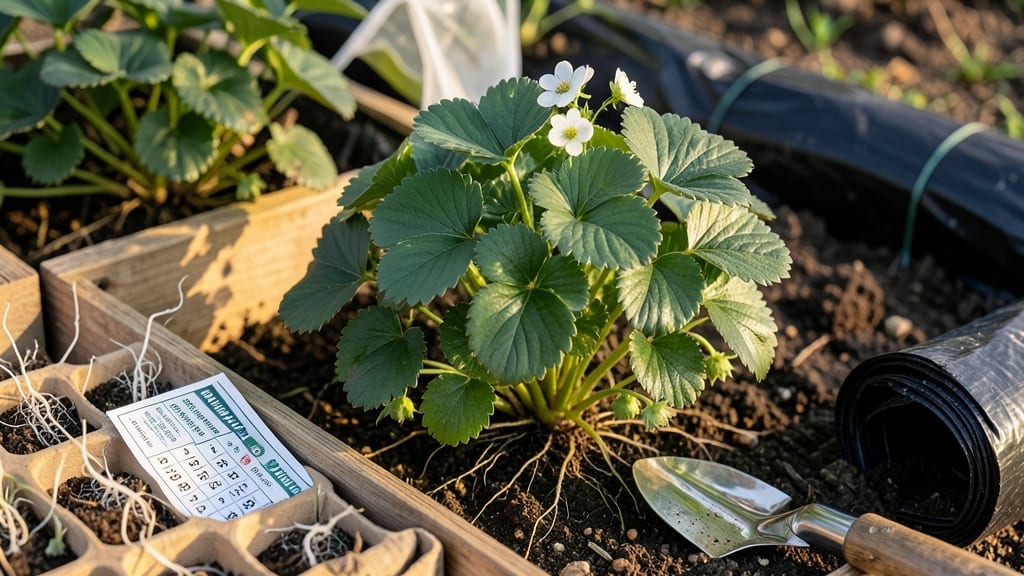
Missouri strawberry planting dates by USDA hardiness zones (5a-6b)
Missouri’s USDA hardiness zones 5a-6b create two distinct planting windows for strawberries. Northern regions (zones 5a/5b) face earlier frost risks, while southern areas (zones 6a/6b) enjoy longer growing seasons. Understanding these zones helps you avoid frost damage and maximize berry production.
For spring planting, aim for 4-6 weeks before your last frost date. In Missouri, this typically means early March to mid-April in southern zones, but late March to early April in northern areas. Soil temperature should reach at least 40°F (4°C) for successful root establishment.
Fall planting offers a second chance for Missouri gardeners. Plant 6-8 weeks before first frost, usually July to early August. Fall-planted strawberries establish roots early and produce stronger yields next spring.
Here’s a quick reference for Missouri’s strawberry planting windows by zone, including soil temperature and frost risk factors:
| Zone | Spring Planting Window | Soil Temp Requirement | Frost Risk | Fall Planting Window |
|---|---|---|---|---|
| 5a (Northern MO) | Late March - Early April | 40°F (4°C) | High (last frost: April 15) | July 15 - August 1 |
| 5b (Central MO) | Early March - Mid-April | 40°F (4°C) | Moderate (last frost: April 1) | July 1 - August 10 |
| 6a/6b (Southern MO) | Early March - Mid-April | 40°F (4°C) | Low (last frost: March 15) | July 1 - August 15 |
🌱 Note: Adjust dates 1-2 weeks earlier for container-grown strawberries.
Missouri’s northern zones (5a/5b) experience earlier frost dates, so gardeners here should prioritize fall planting for a head start. In contrast, southern Missouri (6a/6b) can safely plant as early as February in mild winters, but always monitor soil temperatures.
For everbearing varieties, like 'Chandler' or 'Jewel', plant in both spring and fall to extend your harvest season. June-bearing varieties, such as 'Honeoye' or 'Seascape', thrive with a single spring planting for a heavy June harvest.
Pro tip: Use row covers or cold frames to extend Missouri’s short growing season. These tools protect young plants from late spring frosts and boost early yields by 2-3 weeks.
Always check your local frost dates using the Missouri Botanical Garden’s frost calendar or USDA Plant Hardiness Zone Map. Microclimates—like urban heat islands or river valleys1-2 weeks, so observe your garden’s unique conditions.
If you’re unsure about your exact zone, use the Missouri Department of Agriculture’s interactive map. Enter your zip code to get precise planting recommendations tailored to your neighborhood’s microclimate.
How to adjust planting for Missouri’s microclimates and soil conditions
Missouri’s diverse geography means your strawberry planting timeline should account for microclimates—urban heat islands, river valleys, and even elevation changes. For example, St. Louis (Zone 6b) may experience earlier springs than northern Missouri (Zone 5a), where frost lingers until late April.
Adjust your schedule by monitoring local soil temperatures—strawberries thrive when soil reaches 40°F (4°C).
If you’re in a river valley like the Missouri River bottoms, warmer air pockets can push planting back by 1-2 weeks. Conversely, urban areas with pavement retain heat, allowing earlier planting.
Use a soil thermometer to confirm readiness, especially for June-bearing varieties, which need precise timing for optimal fruit set.
Missouri’s clay-heavy soils (common in the Bootheel) drain poorly, risking root rot. Amend beds with 2-3 inches of compost or sand before planting to improve aeration. In sandy soils (like those in western Missouri), mulch with straw or pine needles to retain moisture and prevent soil temperature swings.
- Urban Areas: Plant 2 weeks earlier than rural zones due to heat retention.
- River Valleys: Delay planting by 1-2 weeks to avoid late frosts.
- Northern Missouri (Zone 5a): Wait until after April 15 for soil warmth.
- Southern Missouri (Zone 6b): Start as early as March 1 in sheltered microclimates.
- Clay Soils: Test pH (5.5-6.5) and add organic matter before planting.
- Sandy Soils: Mulch heavily to prevent moisture loss and temperature spikes.
For container gardening (ideal for small spaces or poor soil), use well-draining potting mix with perlite or vermiculite. Containers warm up faster than ground soil, so you can plant 1-2 weeks earlier than in-ground beds.
Just ensure pots have drainage holes to prevent waterlogging—a common issue in Missouri’s humid summers.
If your garden faces late spring frosts (common in northern Missouri), opt for everbearing or day-neutral varieties, which produce fruit over a longer season. These types tolerate cooler soils and extend your harvest window by 4-6 weeks.
Pair them with row covers for extra frost protection during April’s unpredictable chill.
Finally, elevation matters: Gardens in the Ozarks (higher elevation) may need to wait until mid-April, while lowland areas like Southeast Missouri can start in early March. Always check the Missouri Botanical Garden’s frost calendar for real-time updates before breaking ground.