
Flowers
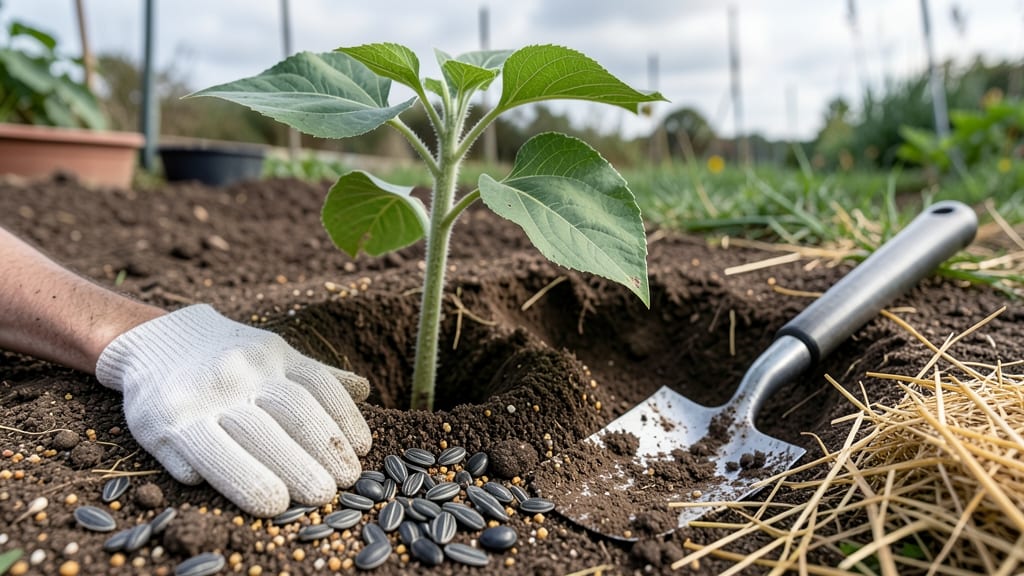
Planting sunflowers in Georgia at the right time means the difference between fast germination and struggling seedlings. With the state’s varied climate—from North Georgia’s cooler hills to South Georgia’s sweltering heat—timing is everything to avoid frost damage or wilted blooms before harvest season.
Most gardeners in USDA Zones 7b-8a know the key window is after the last frost, but the exact dates depend on where you live. In North Georgia, you might start as early as mid-April, while South Georgia gardeners can wait until late May without risking early cold snaps.
The goal? Get those seeds in the ground when soil temps hit 55-65°F—the sweet spot for quick sprouts.
What you’ll discover here are the exact months to plant for your region, plus pro tips to beat Georgia’s biggest sunflower challenges: humidity, drought, and sneaky squirrels.
Whether you’re growing giants for your yard or dwarf varieties for containers, this guide keeps your sunflowers thriving from seed to bold, sunlit blooms.
Ready to skip the guesswork? Let’s dive into the planting schedule that works for Georgia’s unique climate—so you can enjoy those towering 🌻 faces by late summer.
Best planting months for sunflowers in Georgia by region
Georgia’s diverse climate means your sunflower planting schedule should vary by region. North Georgia’s cooler temperatures (USDA Zones 7b-8a) demand earlier sowing, while South Georgia’s longer heat allows later starts. Let’s break down the ideal windows for each area to ensure fast germination and towering blooms.
The last frost date in Georgia typically falls between mid-March (South) and early April (North). Sunflower seeds need soil temperatures of 55-65°F to sprout, so wait until the ground warms after frost. Planting too early risks seed rot or frost damage to young seedlings.
North Georgia (Athens, Blue Ridge) has the shortest growing season, so aim to plant mid-April to early May. This gives sunflowers 100-120 frost-free days to mature before winter. For dwarf varieties (2-5 ft), you can push planting to late May for smaller but still vibrant blooms.
Central Georgia (Macon, Columbus) offers a longer season, making late April to early June ideal. The moderate climate reduces frost risks, and sunflowers can reach their full 6-12 ft height before fall. If you’re growing heat-tolerant varieties like ‘Moulin Rouge,’ you can even plant a second crop in July for late-summer blooms.
South Georgia (Savannah, Valdosta) enjoys the longest growing season, so late March to early June works perfectly. The warm soil and extended daylight (up to 14 hours in June) accelerate growth. For giant varieties (10-14 ft), start seeds indoors in February and transplant after the last frost.
| Region | Last Frost Date | Optimal Planting Window | Soil Temp for Germination | Frost-Free Days |
|---|---|---|---|---|
| North Georgia | Mid-April | Mid-April to early May | 55-65°F | 100-120 days |
| Central Georgia | Early April | Late April to early June | 55-65°F | 120-140 days |
| South Georgia | Late March | Late March to early June | 55-65°F | 140-160 days |
🌻 Pro Tip: Use a soil thermometer to confirm warmth before planting.
For container gardening in urban areas, start seeds indoors 4-6 weeks before your region’s last frost. Small pots (5-inch diameter) work well for dwarf varieties, and you can move them outside after hardening off. This extends your planting window by 2-4 weeks compared to direct sowing.
If you’re growing sunflowers for seed production, plant early May in North Georgia and April in South Georgia to ensure seeds mature before winter. Look for large-headed varieties like ‘Russian Giant,’ which can produce 1,000+ seeds per head when given enough time.
Georgia’s humidity and summer heat can stress sunflowers, so avoid planting in July or August unless you’re using shade cloth (30-50%) to protect seedlings. Instead, focus on spring and early summer for the best results, and let nature handle the rest.
Remember, sunflowers are fast growers—some varieties reach 5-6 ft in just 60 days. By choosing the right planting window for your region, you’ll enjoy bold blooms and lush foliage from late summer through fall.
Best planting months for sunflowers in Georgia by region
Georgia’s diverse climate means your sunflower planting window varies dramatically from North Georgia’s cooler highlands to South Georgia’s steamy lowlands. The key is waiting for soil temperatures to hit 55-65°F—cold soil slows germination, while hot soil can scorch seeds.
Let’s break it down by region so you can time your sunflower seeds perfectly for bold blooms and towering stems.
In North Georgia (USDA Zones 7a-7b), like Atlanta and the Blue Ridge Mountains, your last frost typically arrives around March 15. However, soil stays chilly until mid-April, so aim to plant sunflower seeds between April 15 and May 15.
This gives you 120-150 frost-free days for mature plants to thrive before winter’s first frost in November. For early blooms, consider starter plants in late April.
Central Georgia (USDA Zone 7b-8a, including Macon and Columbus) enjoys a longer growing season with last frosts around March 20. Soil warms faster here, so you can start sowing sunflower seeds as early as mid-April.
The ideal window stretches from April 1 to May 31, giving you flexibility for multiple plantings if you want continuous blooms all summer. Just be sure to harden off seedlings if starting indoors.
South Georgia (USDA Zone 8a, including Savannah and Valdosta) is the sunflower lover’s paradise. With last frosts as early as March 5 and first frosts rarely hitting until late October, you can plant sunflower seeds from late February through mid-June!
This extended window lets you grow multiple generations of sunflowers. For heat-tolerant varieties, like ‘Autumn Beauty’ or ‘Moulin Rouge’, you can even sow in early summer for fall blooms before winter sets in.
Pro tip: If you’re in South Georgia and want giant sunflowers, plant early spring (February–March) for maximum height before summer’s heat slows growth. For compact varieties or container gardening, late spring (May–June) works well. Always choose well-draining soil to prevent root rot, especially in Georgia’s humid summers.
One last rule of thumb: Direct sow seeds—sunflowers hate transplanting. Drop seeds 1 inch deep and 6 inches apart in full sun (6+ hours daily).
Thin seedlings to 12–24 inches apart once they’re 3–4 inches tall. With the right timing, your Georgia garden will soon be a sunflower spectacle!