
Plants
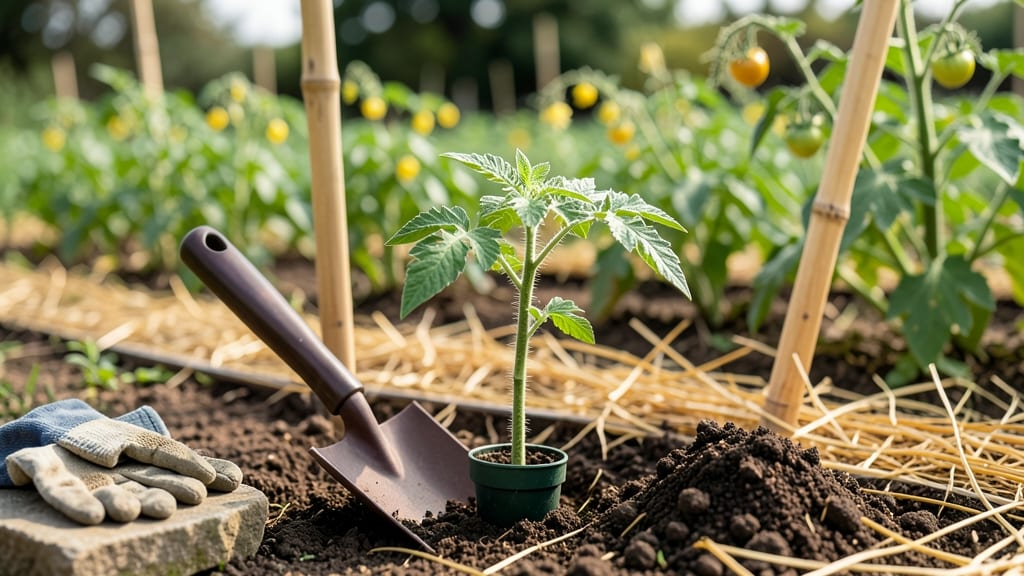
Timing when do you plant tomatoes in Washington State isn't just about avoiding frost—it's the key to unlocking a bountiful harvest of juicy 🍅. With last-frost dates shifting dramatically between Eastern WA's chilly high desert and Western WA's milder coast, getting it wrong could mean stunted plants or wasted effort.
Whether you're a seasoned gardener or just starting with seedlings, understanding these regional differences makes all the difference. The 6b-8b zones across the state mean Eastern WA can plant as early as April 15, while Western WA gardeners should wait until May 15 to avoid frost damage.
I'll walk you through the exact planting windows, soil temperature tips, and microclimate adjustments that work in your specific corner of Washington. By the end, you'll know precisely when to start seeds indoors or transplant seedlings for maximum success.
Let's dive into the data-driven approach that separates successful tomato growers from those who watch their plants struggle. Your future harvest depends on getting these dates right!
Washington State last-frost dates by region (2024 planting calendar)
Washington State’s diverse climate means your tomato planting dates can vary by 1000+ miles—from Seattle’s coastal fog to Wenatchee’s high desert. The last frost dates below are averages, but microclimates (like urban heat islands or sheltered valleys) can shift your window by 2-3 weeks.
Always check local USDA Zone 6b-8b records for precision.
For Western Washington (Seattle, Portland, Olympia), the last frost typically lands between April 15 and May 15.
This region’s cooler, wetter springs demand earlier starts indoors (March) or transplant-ready seedlings by late April. Coastal areas may face delays due to marine layer fog, while inland cities like Yakima warm up faster.
In Eastern Washington (Spokane, Wenatchee, Pullman), expect your last frost around April 15—but the high-desert climate heats up rapidly after that. Soil warms to 60°F (ideal for tomatoes) by early May, giving you a longer outdoor planting window than Western WA.
The Columbia Basin (e.g., Pasco) can even support July plantings for late-season varieties.
Here’s your 2024 Washington State Tomato Planting Calendar, broken down by region with key adjustments for soil temperature and microclimates:
| Region | Last Frost Date | Start Indoors | Transplant Outdoors | Soil Temp Goal | Notes |
|---|---|---|---|---|---|
| Western WA (Seattle, Portland) | April 15–May 15 | March 1–15 | May 1–15 | 60°F+ | Use cold frames for early starts; coastal areas may need row covers. |
| Eastern WA (Spokane, Wenatchee) | April 1–15 | February 15–March 1 | April 15–May 1 | 55°F+ | Soil warms quickly; mulch to retain moisture in desert zones. |
| Columbia Basin (Pasco, Richland) | March 20–April 5 | January 15–February 1 | March 20–April 15 | 50°F+ | Longest growing season; can plant heirloom varieties in July for fall harvest. |
| Urban Microclimates (e.g., Seattle rooftops) | April 30–May 10 | March 15–30 | May 10–20 | 60°F+ | Containers heat up faster; use self-watering pots to prevent stress. |
Pro tip: Use a soil thermometer to confirm 60°F soil temps before transplanting—cold soil stunts roots, leading to blossom drop later. In Western WA’s coastal zones, wait until May 15 to avoid late frosts that can kill tender seedlings.
For Eastern WA’s high-desert areas, soil warms 2-3 weeks earlier than official frost dates suggest. Test soil in full sun (not shade) for accuracy—sandy soils heat up faster than clay.
If your area has unpredictable frosts (like the Cascade foothills), err on the side of planting later and use row covers for protection.
Remember: Tomatoes need warmth, not just frost-free days. In Western WA, a June heatwave can boost growth, but cooler summers (like 2023’s
How to adjust tomato planting for Washington’s microclimates and soil conditions
Washington State’s diverse geography means your tomato planting schedule should shift dramatically depending on where you live. While Western WA enjoys milder coastal climates, Eastern WA’s high-desert regions face earlier frosts and hotter summers.
Even within cities like Seattle, urban microclimates can create 5-10 day differences in safe planting windows. Let’s break down how to adapt your approach for your specific corner of the state.
For Western WA gardeners (Seattle, Portland, Olympia), focus on soil warming strategies since cold ocean currents delay spring heating. Use black plastic mulch or row covers to raise soil temperatures 5-10°F faster.
In contrast, Eastern WA growers (Spokane, Wenatchee) should prioritize early starts indoors and cold-hardy varieties like 'Mountain Merit' that tolerate cooler nights.
🌱
🌱 Western WA Adjustments
- Start seeds March 1-15 (8 weeks before May 15 last frost) using grow lights for strong seedlings.
- Use cold frames or cloches to harden off transplants 2 weeks earlier than standard schedules.
- Plant heat-sensitive varieties (like 'Solar Fire') by May 1 to avoid summer heat stress.
- Test soil pH 6.0-6.8—coastal soils often test acidic due to pine needle runoff.
🌵 Eastern WA Adjustments
- Start seeds February 15-March 1 (10 weeks before April 15 last frost) for high-desert areas.
- Choose determinate varieties (like 'Roma') for shorter growing seasons—they ripen faster than indeterminates.
- Mulch heavily with straw or wood chips to retain moisture in dry summers (Eastern WA gets 10% less rainfall than Western WA).
- Plant near windbreaks (fences, hedges) to protect from chilly mountain winds that cause blossom drop.
🏙️ Urban Garden Tips
- Use container gardening with 5-gallon pots for balconies—move pots to sunniest spots as seasons change.
- Add composted manure to city soils (often compacted and nutrient-poor from foot traffic).
- For late-season extensions, use low tunnels until October 15 in Western WA.
Soil temperature is your most critical factor—tomatoes won’t germinate below 55°F and grow poorly under 60°F. Use a soil thermometer to confirm readiness; in Western WA, this often means waiting until late May despite earlier last-frost dates.
For Eastern WA, aim for mid-April planting when soil hits 60°F consistently.
One pro tip for all regions: Plant early and late varieties simultaneously. For example, sow 'Stupice' (early) in March indoors and 'Brandywine' (late) in June for a 3-month harvest window.
This staggered approach ensures you’re not left with a glut of tomatoes all at once—or worse, none at all.
🌿