
Plants
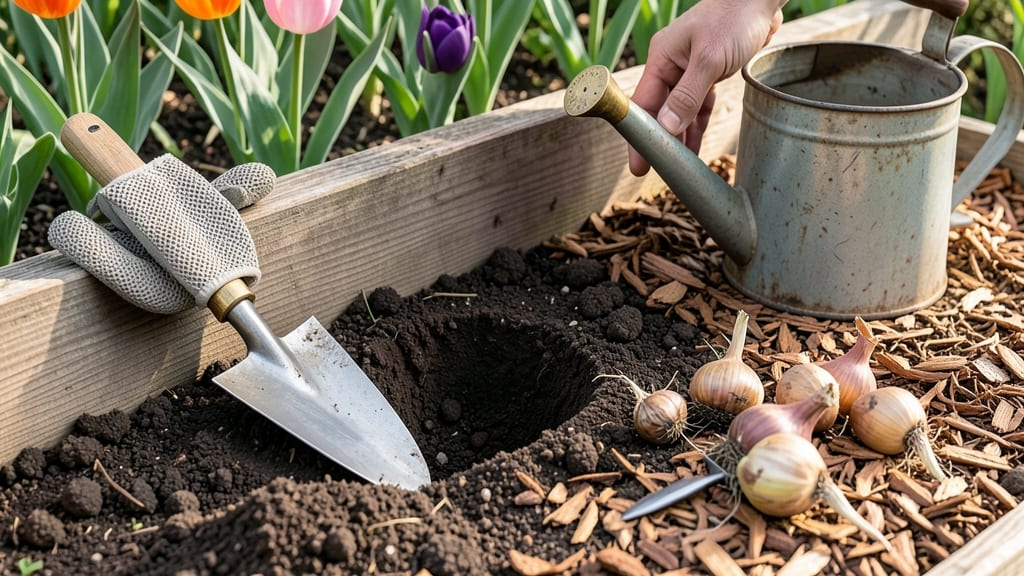
Planting tulip bulbs 🌷 in Australia isn’t as straightforward as it is in the Northern Hemisphere—get the timing wrong, and you might end up with soggy bulbs or no blooms at all.
The key to success lies in understanding your local climate, whether you're in Sydney’s coastal warmth or Melbourne’s cooler winters.
Unlike traditional spring planting, Australian gardeners should focus on late autumn to early winter (May to July) when temperatures drop and soil conditions are ideal. This timing ensures bulbs establish roots before spring’s vibrant blooms appear, giving you that best chance for stunning results.
But here’s the catch: regional differences matter. Coastal areas like Perth may need slightly earlier planting, while inland zones like Canberra might benefit from waiting until frost risks pass. I’ll break down the exact months for your area and share pro tips to protect your bulbs from Australia’s unpredictable weather.
Ready to transform your garden? Let’s dive into the perfect planting schedule tailored just for Australian conditions—so you can enjoy tulips that burst into color right on schedule.
Best months to plant tulip bulbs in Australia by climate zone
Australia’s climate zones create a unique challenge for tulip growers. Unlike the Northern Hemisphere, where tulips bloom in spring, Australian tulips need autumn planting to flower in our winter or early spring.
The key is planting when soil temperatures drop below 15°C (59°F)—this triggers bulb dormancy and ensures vibrant blooms.
Timing varies dramatically: Coastal areas like Sydney can plant as late as July, while inland regions like Canberra must plant by May to avoid summer heat stress. Subtropical zones like Brisbane have a narrow window of just April-May before summer arrives.
Here’s how to match your region’s climate to the perfect planting window for reliable tulip blooms:
| Climate Zone | Ideal Planting Months | Soil Temp Threshold | Key Consideration |
|---|---|---|---|
| Coastal (Sydney, Melbourne, Adelaide) | May–July | 10–15°C (50–59°F) | Mild winters; plant after first frost risk |
| Inland (Canberra, Perth hills) | April–May | 12–18°C (54–64°F) | Dry soils; water deeply after planting |
| Temperate (Hobart, Tasmania) | June–July | 8–12°C (46–54°F) | Cool, wet winters; improve drainage |
| Subtropical (Brisbane, Gold Coast) | April–May | 18–22°C (64–72°F) | Hot summers; use shade cloth if late |
| Tropical (Darwin, Cairns) | Not recommended | N/A | Too hot; try Darwin tulips (native species) |
For coastal regions, aim to plant 6 weeks before winter—this gives bulbs time to establish roots before cooler weather. In inland areas, prioritize planting by late May to avoid summer heat stress, which can cause bulbs to rot.
Pro tip: Use a soil thermometer to confirm temperatures. Tulip bulbs need consistent cool soil (below 15°C) to break dormancy. If your region has unpredictable weather, opt for Darwin tulips—they’re native and more heat-tolerant.
In subtropical zones, plant early (April) and provide afternoon shade to prevent bulb dehydration. Mulch with straw or pine needles to retain moisture and regulate soil temperature.
Remember: Late planting (after July) risks bulbs sprouting too early, leading to weak stems or no blooms. If you miss the window, wait until next autumn—tulip bulbs won’t survive summer heat.
🌷
Best months to plant tulip bulbs in Australia by climate zone
Australia’s climate zones make tulip planting timing a critical factor for success. Unlike the Northern Hemisphere, where tulips bloom in spring, Australian tulips need autumn to winter planting (May–July) to flower in spring.
However, regional differences mean Sydney’s mild winters differ drastically from Perth’s dry heat or Canberra’s frosty nights.
Temperate zones like Melbourne and Adelaide offer the most predictable conditions, while subtropical areas such as Brisbane and the Gold Coast require adjustments for humidity and heat. Inland regions like Albury-Wodonga face frost risks, while coastal areas like Perth need extra care to prevent bulb rot from winter rains.
Key rule: Plant when soil temperatures drop below 15°C (59°F) but before first frosts (if applicable). This ensures bulbs establish roots without rotting or drying out.
| Climate Zone | Best Planting Months | Soil Temp Threshold | Key Considerations |
|---|---|---|---|
| Temperate (Sydney, Melbourne, Adelaide) | May–June | 10–15°C (50–59°F) | Mild winters; avoid waterlogging |
| Subtropical (Brisbane, Gold Coast) | June–July | 12–18°C (54–64°F) | High humidity; raise beds for drainage |
| Inland (Canberra, Albury) | April–May | 8–12°C (46–54°F) | Frost risk; mulch heavily |
| Mediterranean (Perth) | June–July | 10–14°C (50–57°F) | Dry winters; water deeply |
| Tropical (Darwin, Cairns) | July–August | 18–22°C (64–72°F) | Heat-tolerant varieties only |
For coastal areas, prioritize well-draining soil to prevent rot during winter rains. Inland gardeners should mulch with straw to protect bulbs from temperature swings. Always plant bulbs 6–8 inches deep and 4–6 inches apart for optimal airflow.
Pro tip: Use a moisture meter to check soil conditions—bulbs need consistent moisture but hate soggy soil. In Perth’s dry climate, water deeply after planting and repeat every 2–3 weeks until rains return.
Timing isn’t just about months—it’s about soil temperature and local microclimates. Observe your garden’s patterns for 3 years to refine your schedule. For example, Brisbane’s humidity may delay planting by 2 weeks compared to Adelaide’s crisp air.