
Plants
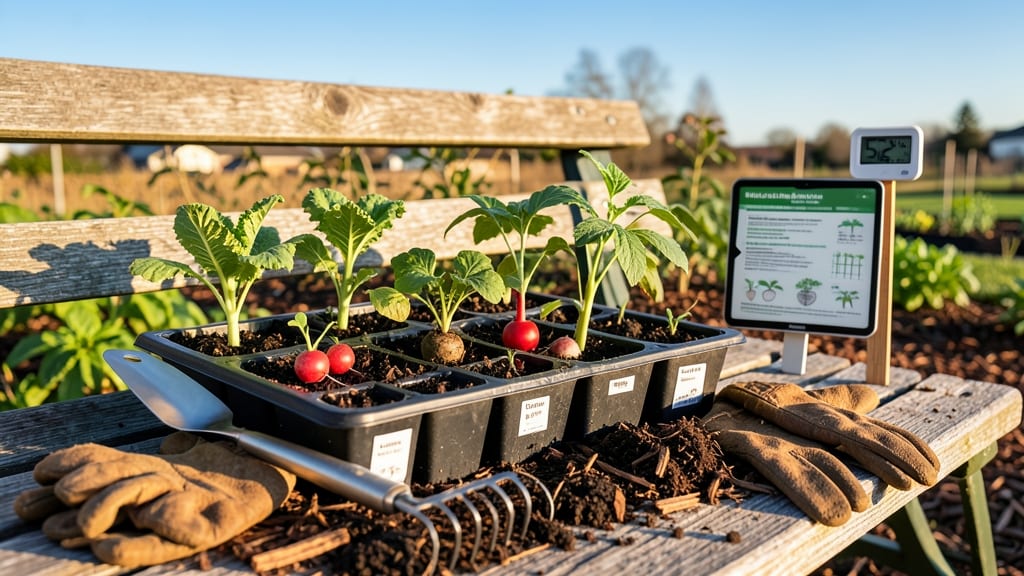
If you've ever watched your tender seedlings turn to ice crystals overnight, you know when is it safe to plant in Michigan isn't just a suggestion—it's the difference between a thriving garden and a sad pile of compost.
Michigan's unpredictable spring weather makes timing everything, but with the right last-frost dates by zone, you can finally stop guessing and start planting with confidence.
I've spent years tracking Michigan's frost patterns, and the key is understanding your specific USDA zone—whether you're in the colder Zone 4a of the Upper Peninsula or the milder Zone 6b near Detroit.
The average last-frost date can vary by 2-3 weeks between regions, which means planting too early in northern Michigan could mean another frost warning email from your phone.
What most gardeners don't realize is that soil temperature matters just as much as air temperature. Even if the calendar says "spring," cold soil can delay germination for weeks.
I'll show you how to check soil warmth and use local weather patterns to pinpoint the perfect planting window for everything from tomatoes to tulips.
Let's cut through the confusion with a zone-by-zone breakdown, practical tools like NOAA's frost calculator, and even some old-school tricks like using peas as frost detectors. By the end, you'll know exactly when to put that first seed in the ground—and watch your garden grow like never before.
Michigan last-frost dates by USDA planting zone (2024 guide)
Michigan’s last-frost dates vary dramatically across its USDA Planting Zones 4a-6b, meaning your Upper Peninsula garden has a shorter season than Southern Michigan. Knowing these dates helps you time spring planting and fall crops perfectly—avoiding those heartbreaking frost-killed seedlings we’ve all faced.
For most of Michigan, the average last-frost date falls between mid-April and early June, depending on your zone. But don’t rely solely on averages—microclimates (like urban heat islands or lake-effect zones) can shift these dates by 1-3 weeks.
Let’s break it down by zone so you can plan with precision.
🌱
Michigan Last-Frost Dates by Zone
| Zone | Avg. Last Frost | Safe Planting Window | Notes |
|---|---|---|---|
| 4a (UP, Northern Lower) | May 10–20 | Late May (hardy crops) | Shortest season; use cold frames. |
| 5a (N. MI, Traverse City) | May 1–10 | Early May (peas, spinach) | Lake-effect delays frost in spring. |
| 5b (Grand Rapids, Lansing) | April 25–May 5 | Mid-April (cool crops) | Urban areas may warm faster. |
| 6a (Detroit, Kalamazoo) | April 15–25 | Early April (warm crops) | Longer season; double-check soil temps. |
| 6b (S. MI, Toledo area) | April 5–15 | Late March (tender plants) | Warmest zone; monitor night temps. |
💡 Pro Tip: Add 2–4 weeks to these dates for tender annuals like tomatoes or peppers.
Southern Michigan’s Zone 6b gardeners can often plant warm-season crops like tomatoes and peppers by mid-April, but Northern Michigan’s Zone 4a may not see safe conditions until late May. Even within zones, elevations and proximity to lakes create variations—so always check local frost records.
For fall planting, Michigan’s first-frost dates range from mid-September in the north to early October in the south. This means you’ve got 60–90 days for cool-season crops like kale or radishes after your last summer harvest. Plan accordingly!
🌡️
One critical mistake I see often is planting based on air temperature alone. Soil temperature matters more—40°F+ is ideal for most seeds, while 60°F+ is needed for warm-season plants. Use a soil thermometer to confirm readiness, especially in Zone 5b and below.
🌿
To stretch your season, consider season extenders like row covers or cold frames. These can push your last-frost date back by 2–4 weeks, giving you an earlier start on cool-season crops or a later finish for fall harvests. Just
📅
How to use a last-frost date calculator for Michigan gardens
Michigan’s last-frost dates vary dramatically by zone, but even within a single county, your microclimate can shift planting windows by weeks. A last-frost date calculator helps you pinpoint the safest time to plant, accounting for your specific location’s history—not just the average.
For example, Detroit’s average last frost is May 15, but a garden in Ann Arbor’s hills might see frost linger until May 25.
Before you dive into a calculator, gather these three critical pieces of data: your USDA hardiness zone (4a–6b in Michigan), your local frost history (check the NOAA Frost/Freeze Tool), and your crop’s frost sensitivity.
For instance, tomatoes and peppers need a frost-free window of 120+ days, while kale and spinach can handle light frosts.
🌱
Step-by-Step: Using a Last-Frost Calculator
- Step 1: Input your zip code or city into the calculator (e.g., NOAA’s Frost Calculator or Michigan State University Extension’s Planting Guide).
- Step 2: Adjust for your microclimate—are you in a valley (colder), on a south-facing slope (warmer), or near a large body of water (moderates temps)?
- Step 3: Select your crop’s frost tolerance. For example, cold-hardy greens like spinach can go in 2–4 weeks before the last frost, while warm-season veggies like cucumbers need to wait until after.
- Step 4: Use the calculator’s “frost-free days” estimate to match with your plant’s days to maturity. For instance, if your last frost is May 10 and your zucchini needs 50 days to harvest, plant by June 19.
- Step 5: Add a 1–2 week buffer for safety. Michigan’s weather is unpredictable—even in Zone 6b, a late frost can hit in early June.
Pro Tip: Bookmark MSU Extension’s Planting Calendar (msu.edu) for real-time updates on frost advisories.
Don’t rely solely on a calculator—cross-reference with local cooperative extension offices or gardening groups like Michigan Gardener Association. They often share hyper-local frost reports from community gardens.
For example, Traverse City gardeners might plant peas by April 15, while Marquette waits until May 1 due to Lake Superior’s chilling effect.
For container gardening, adjust your timing by 1–2 weeks earlier—pots warm up faster than soil. But if you’re using black plastic mulch, you can plant warm-season crops 10–14 days sooner because it raises soil temps by 5–10°F.
Always test your soil temperature with a soil thermometer—50°F is the minimum for most vegetables, while 60°F+ is ideal for tomatoes and peppers.
Finally, use seed packet guidelines as a starting point, but never plant based solely on them. A packet might say “plant after last frost,” but in Zone 4b, that could mean June 1—way too late for a 90-day tomato.
Combine the calculator’s data with your observations (like leaf-out timing on maple trees) for the most accurate schedule.
☀️