
Plants
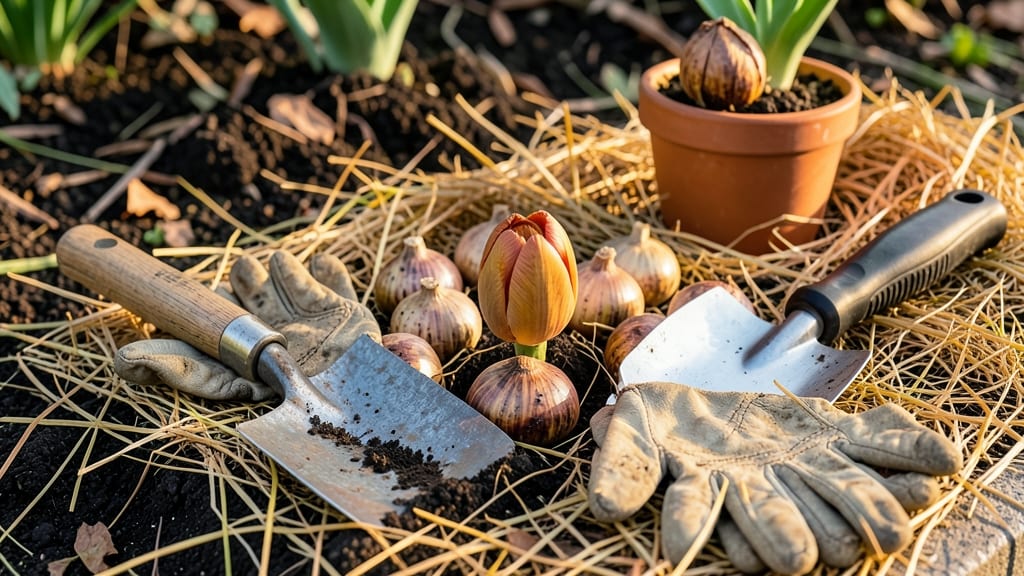
Timing your fall bulb planting just right is the secret weapon for vibrant spring blooms—and getting it wrong can mean wasted money and missed beauty. Whether you're in Zone 6a or another region, planting too early risks rot while waiting too late stunts root growth before winter sets in.
I’ve learned the hard way that 4-6 weeks before your first frost is the sweet spot for most bulbs like tulips and daffodils. This window gives them enough time to establish strong roots while avoiding the ground freeze that signals dormancy.
For Zone 6a, that typically means mid-September to early October—but your exact timing depends on soil temperature and local climate quirks.
What makes fall planting so rewarding is how it sets your garden up for success. When bulbs get a head start in cool soil, they develop deeper roots and store more energy for next year’s showstopping blooms.
The key is understanding your zone’s frost date and soil conditions to avoid common pitfalls like soggy soil or premature sprouting.
Ready to transform your garden? I’ll walk you through the exact steps—from choosing the right bulbs to soil prep and planting techniques—to ensure your fall effort pays off with healthier plants and bigger blooms come spring. Let’s get those 🌱 in the ground the right way.
Fall bulb planting months by USDA Hardiness zones: exact timing for strong root growth
Planting bulbs in the fall is all about timing—too early, and they’ll rot; too late, and they won’t establish strong roots before winter. The key is planting 4-6 weeks before your first frost date, when soil temperatures drop to 60°F (15°C).
This window ensures bulbs develop robust roots while avoiding winter dormancy too soon.
Your USDA Hardiness Zone determines the exact planting window. For example, gardeners in Zone 3 (colder climates) should plant by early September, while those in Zone 10 (mild winters) can wait until mid-November. Regional variations—like Pacific Northwest rains or Southern humidity—also play a role in adjusting timing.
Here’s a breakdown of ideal planting months by zone, including soil temperature thresholds and regional adjustments to maximize root growth before dormancy.
| USDA Zone | Ideal Planting Month | Soil Temp Threshold | Regional Adjustments |
|---|---|---|---|
| Zones 3-4 | Early September | 60°F (15°C) | Plant earlier if soil warms quickly |
| Zones 5-6 | Mid-September | 55°F (13°C) | Avoid planting if rain is forecasted |
| Zones 7-8 | Late September to October | 50°F (10°C) | Extend window to November in coastal areas |
| Zones 9-10 | Mid-November | 45°F (7°C) | Plant after first frost in desert zones |
In Zone 3 (e.g., Minnesota, North Dakota), aim for early September to beat the ground freeze. Here, bulbs like tulips and daffodils need time to root before winter.
Meanwhile, in Zone 9 (e.g., Southern California, Arizona), mild winters allow planting until mid-November, but avoid planting if frost is predicted.
Regional microclimates matter too. For instance, Pacific Northwest gardeners in Zone 7 should plant late September to early October to avoid soggy, rain-logged soil. Conversely, Deep South gardeners in Zone 8 may extend planting to November if temperatures stay mild.
Pro tip: Use a soil thermometer to confirm temperatures. Plant when soil is below 60°F (15°C) but still workable. This ensures bulbs won’t sprout prematurely and rot in cold soil.
Miss the window? Don’t panic. Some bulbs, like crocuses and snowdrops, tolerate late fall planting (even into December in mild zones). However, tulips and hyacinths are less forgiving—plant them too late, and you’ll likely sacrifice next spring’s blooms.
For container gardening, adjust timing slightly. Pots warm faster, so plant 2-3 weeks earlier than in-ground bulbs. Use a well-draining potting mix and place containers in a sheltered spot to protect roots from extreme cold.
Remember: The goal is root establishment, not blooming. Bulbs need 6-8 weeks of cool soil before winter to develop strong roots. With the right timing, you’ll wake up to a garden bursting with color next spring—with minimal effort from you!
Fall bulb planting months by USDA Hardiness zones: exact timing for strong root growth
Planting bulbs in the fall gives them time to establish strong roots before winter dormancy, ensuring vibrant spring blooms. But timing varies by USDA zone—plant too early, and bulbs rot; too late, and roots won’t develop properly.
The key is to plant 4-6 weeks before the first hard frost, when soil temperatures drop to 60°F (15°C) but haven’t frozen yet.
In northern zones (3-5), aim for mid-September to early October, while southern zones (7-10) can wait until October to November. Coastal regions may have extended windows due to milder winters.
Understanding your zone’s last frost date is critical—check local weather data or use the USDA Plant Hardiness Zone Map for precision.
🌱 Fall Bulb Planting Timeline by Zone
| USDA Zone | Ideal Planting Month | Soil Temp Threshold | Key Consideration |
|---|---|---|---|
| Zones 3-5 | Mid-September to Early October | 60°F (15°C) | Short growing season; plant early |
| Zones 6-7 | Late September to Mid-October | 55°F (13°C) | Balanced window; avoid frost |
| Zones 8-10 | October to November | 50°F (10°C) | Milder winters; extend window |
⚠️ Pro Tip: Use a soil thermometer to confirm temps—bulbs need 6-8 weeks of cool soil to root before freezing.
Regional microclimates add complexity. For example, Pacific Northwest gardens may plant until November due to wet, mild winters, while Deep South zones (8-10) can even plant in December if soil stays workable. Always prioritize soil temperature over calendar dates—a frozen ground means failed root growth.
If you’re unsure about your zone, dig a 6-inch hole and check soil temps weekly. Bulbs like tulips and daffodils thrive when planted in cool (50-60°F) but unfrozen soil.
In Zone 6a, like my garden, I plant by October 15th to ensure roots establish before November’s first frost.
Missed the window? Don’t panic. Some bulbs, like crocuses and snowdrops, tolerate late fall planting even if soil is chilly. Just add 2-3 inches of mulch to insulate them. For tulips and hyacinths, though, late planting risks poor blooms—stick to the 4-6 week rule for best results.
Remember: Root growth, not blooming, is the fall goal. Healthy roots = stronger stems and bigger flowers next spring. Mark your calendar now—your future garden will thank you! 🌷