
Plants
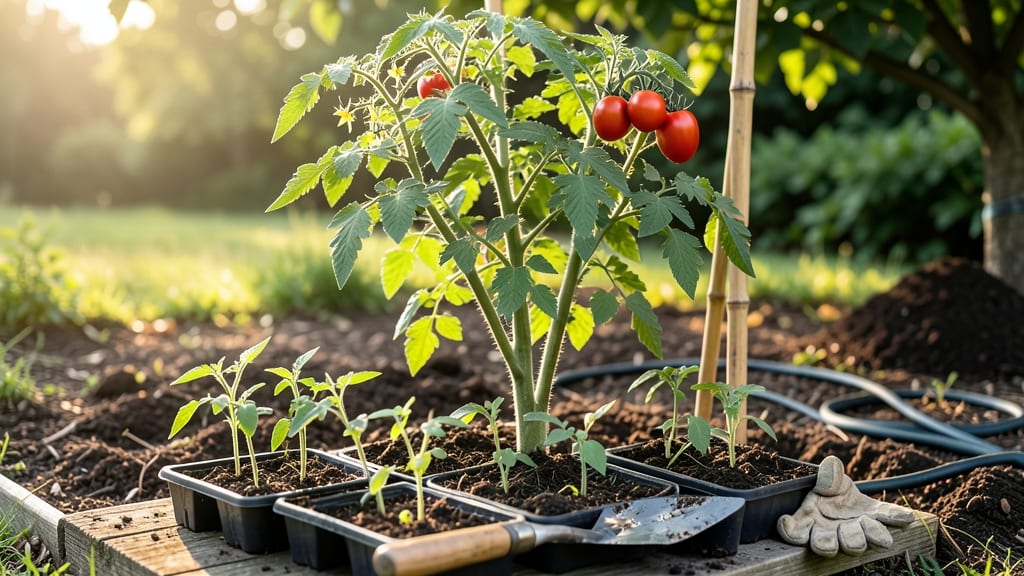
When is the best time to plant tomatoes in Georgia? Timing your tomato planting in the Peach State could mean the difference between a thriving garden and a wasted season. With USDA zones 7b-8b and microclimates ranging from the mountains to the coast, there’s no single "right" answer—but getting it close is everything.
Most gardeners know spring is prime time, but did you know fall planting can actually give you an earlier harvest next year? The key lies in understanding your local frost dates and soil temperatures, which vary wildly between North Georgia’s cooler highlands and South Georgia’s warmer coastal plains.
In this guide, I’ll break down the exact windows for both spring and fall planting, plus how to adjust for late frosts, early heat, and even soil warming tricks that can shave weeks off your growing season. Ready to avoid those browned, frost-bitten plants?
Whether you’re a first-time gardener or a seasoned pro, these insights will help you plan for healthier, more productive tomato plants—no matter where you are in Georgia. Let’s get those 🍅 growing!
Georgia’s frost-free deadlines by microclimate Zone: when to plant tomatoes
Georgia’s diverse climate zones mean your tomato planting timeline depends on whether you’re in the cool mountain air of North Georgia, the moderate Piedmont around Atlanta, or the humid coastal plains of South Georgia.
Each region has its own last frost dates and growing season length, so let’s break it down by zone to maximize your harvest.
The USDA Hardiness Zones 7b-8b cover most of Georgia, but microclimates create 10-20 day differences in planting windows. For example, Blairsville (Zone 7a) in the north has a shorter season than Savannah (Zone 8a), which can support two tomato crops per year.
Understanding these variations helps you avoid late spring frosts or early summer heat stress.
Below is a region-by-region breakdown of ideal planting windows, based on historical frost data and local gardening records. Use these as your guide, but always monitor soil temperatures and weather forecasts before planting.
| Region | Last Frost Date | First Planting Window | Fall Planting Window | Key Notes |
|---|---|---|---|---|
| North Georgia (Zone 7a-7b) | Mid-April to early May | April 15–May 10 | Late July–early August | Shorter season; use early-maturing varieties (60-70 days). Late frosts common—protect seedlings with row covers. |
| Central Georgia (Zone 7b-8a) | Early April to mid-April | April 1–April 30 | Late July–mid-August | Moderate climate; ideal for heirloom and hybrid varieties. Atlanta area can support two crops with proper spacing. |
| South Georgia (Zone 8a-8b) | Mid-March to early April | March 15–April 15 | Late June–July 15 | Longest season; heat-tolerant varieties thrive. Can plant successive crops every 2-3 weeks for continuous harvest. |
*Frost dates are averages—always check local almanac records or use frost-free date calculators for precision.
For North Georgia gardeners, the April 15–May 10 window is critical. This region’s cooler nights and higher elevation delay soil warming, so use black plastic mulch or cold frames to speed up germination.
If you’re in Zone 7a, like in the Blue Ridge Mountains, consider starting seeds indoors in late February for transplants.
In Central Georgia, where Atlanta’s urban heat island effect extends the season, you can push planting to late April in most years. However, microclimates matter: Areas near Lake Lanier or Chattahoochee River may experience 5-7 days earlier last frost dates.
Always scout your garden’s low-lying spots, which frost hits first.
South Georgia’s earlier last frost dates (as early as mid-March) open the door for two tomato crops per year. Plant your first crop in March for a June–July harvest, then sow a fall crop in late July to enjoy tomatoes through October or November. This region’s humidity and heat favor determinate varieties like ‘Celebrity’ or ‘Better Boy’, which handle stress better.
Pro tip: Use a soil thermometer to confirm 60°F+ soil temps before planting. Tomatoes won’t germinate well in cooler soil, and slow starts invite pests and diseases.
In North Georgia, wait until May 1 if April soil temps are below 55°F—your plants will thank you with stronger roots and better yields.
If you’re unsure about your local frost dates, check resources like the Georgia Automated Environmental Monitoring Network (GAEMN) or your county extension office. They provide hyperlocal data that can shave days—or even weeks—off your planting timeline.
For example, Athens (Zone 8a) might see its last frost 10 days earlier than Dahlonega (Zone 7a), just 50 miles away.
Remember: Fall planting in Georgia is just as important as spring. By sowing seeds or setting out transplants in late July or August, you can harvest tomatoes well into autumn, avoiding the peak summer heat that stresses plants.
Just be sure to choose heat-tolerant varieties and provide afternoon shade if temperatures exceed 90°F.
🌱
How to adjust tomato planting for Georgia’s unpredictable weather patterns
Georgia’s weather can be as unpredictable as a summer storm—one day it’s 60°F and sunny, the next it’s a 32°F frost. That’s why adjusting your tomato planting strategy is crucial.
Late frosts in April or early heatwaves in May can derail even the best-laid plans. The key? Flexibility and preparation.
Start by monitoring soil temperatures—tomatoes need 60°F+ soil to thrive. Use a soil thermometer or check local agricultural extension updates. If nights are still chilly, opt for transplants instead of seeds; they’re hardier and establish faster.
For direct sowing, wait until mid-May in most regions to avoid frost risks.
Here’s how I handle Georgia’s quirks: I use black plastic mulch to warm soil faster, and I always have row covers ready for late frosts. For fall planting, I stick to heat-tolerant varieties and plant in late July to avoid summer’s brutal heat. Timing is everything!
🌱 Georgia Tomato Planting Adjustments by Weather Risk
- Late Frost Risk (North GA): Plant transplants after April 15; use cold frames for extra protection.
- Early Heatwave (Central GA): Start seeds indoors by March 1; transplant after May 1 when soil warms.
- Extended Heat (South GA): Choose heat-tolerant varieties like 'Celebrity' or 'Solar Fire'; plant July 15-August 1 for fall harvest.
- Unpredictable Rain: Use raised beds for drainage; avoid overhead watering to prevent blossom end rot.
- Soil Too Cold: Warm soil with black plastic mulch or straw mulch; wait until soil hits 60°F+.
Don’t forget companion planting—pair tomatoes with basil or marigolds to deter pests and improve growth. If you’re planting in containers, choose determinate varieties like 'Roma' for easier management. Containers also let you move plants to shadier spots during heatwaves.
For fall tomatoes, I always plant 6-8 weeks before the first frost (usually late July). This gives fruit time to ripen before November’s chill. Use row covers to extend the season if needed.
And if you’re in South Georgia, you might even squeeze in a winter harvest with greenhouse protection.
Pro tip: Keep a gardening journal to track your local frost dates and soil temps. Over time, you’ll spot patterns that let you fine-tune your planting schedule. Georgia’s weather might be unpredictable, but with these adjustments, you’ll maximize your tomato yield every season! 🌱