
Trees
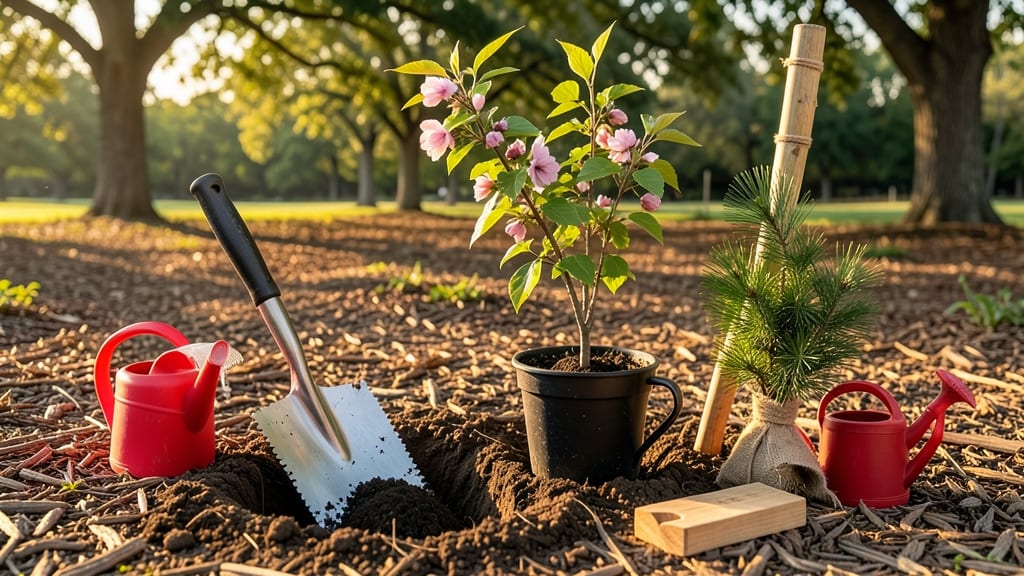
Planting a tree in Oklahoma at the wrong time can mean wasted effort—or even a dead sapling. But timing it right ensures strong root growth, survival through harsh winters, and thriving 🌳 for decades. With USDA zones 6a-7b bringing unique challenges, knowing when to plant makes all the difference.
Most gardeners in Oklahoma swear by fall (October–November) or early spring (March–April) as the best windows. These periods give young trees time to establish roots before extreme heat or cold hits. But did you know soil temperature plays a bigger role than just the calendar?
In this guide, I’ll break down the perfect planting times based on your zone, soil conditions, and even tree type. Whether you’re planting a bare-root sapling or a container-grown giant, you’ll learn how to avoid common mistakes that kill trees before they even grow.
Ready to plant with confidence? Let’s dive into the zone-specific deadlines and care tips that’ll keep your new trees thriving for years—no guesswork required.
Oklahoma planting zones & soil temperature deadlines for tree success
Oklahoma spans USDA hardiness zones 6b through 8a, meaning our planting windows vary dramatically from the Panhandle (warmer, Zone 7b) to the Arkansas border (cooler, Zone 6b). But the real secret to success? Soil temperature, not just air temperature.
Most trees need soil temps between 50°F and 65°F to establish roots before Oklahoma’s brutal summers or winters kick in.
For bare-root trees, aim for planting when soil temps hit 50°F—typically late October to early November for fall or mid-March to early April for spring. Container-grown trees are more flexible, but avoid extreme heat (above 90°F) or freezing soil (below 40°F).
Here’s how to check soil temps: Use a soil thermometer (available at garden centers for ~$10) or dig down 6 inches and touch the soil—if it’s cooler than your wrist, it’s not ready. In Oklahoma’s clay-heavy soils, this can mean waiting 2-3 weeks longer than in sandy areas.
Pro tip: Balled-and-burlapped (B&B) trees can handle slightly cooler soil (down to 45°F) because their roots are protected by the root ball. But bare-root trees need warmer soil to avoid root rot or frost damage.
| Zone & Location | Ideal Planting Window | Soil Temp Range | Tree Types Best Suited |
|---|---|---|---|
| 6b (Northeast OK: Tulsa, Muskogee) | Oct 15–Nov 15 (Fall) or Mar 15–Apr 10 (Spring) | 50–60°F | Oaks, Maples, Hickories |
| 7a (Central OK: Oklahoma City, Lawton) | Oct 1–Nov 10 (Fall) or Mar 10–Apr 15 (Spring) | 50–65°F | Pecan, Redbud, Bradford Pear |
| 7b (Southwest OK: Altus, Guymon) | Sep 20–Oct 30 (Fall) or Feb 20–Mar 20 (Spring) | 55–70°F | Mesquite, Cottonwood, Juniper |
| 8a (Panhandle: Goodwell, Boise City) | Sep 1–Oct 15 (Fall) or Feb 10–Mar 10 (Spring) | 60–75°F | Pecan, Mulberry, Russian Olive |
Why the difference? Warmer zones like the Panhandle can plant later into fall (even October) because frosts are milder, while cooler zones like northeast Oklahoma must plant by November 15 to avoid winter dieback.
Evergreens like Eastern red cedar or Austrian pine are exceptions—they can handle cooler soil temps down to 40°F.
Missed the window? Container-grown trees can be planted year-round in Oklahoma (except during freezes or extreme heat), but they’ll struggle in summer’s 100°F+ temps. For best results, stick to the soil temp guidelines—your tree’s roots will thank you for decades.
One more critical note: Oklahoma’s clay soils warm up slower than sandy soils. If you’re in zone 6b, add 2–3 weeks to your planting timeline compared to zone 7b. Test your soil with a thermometer before digging!
Ready to plant? Grab your soil thermometer, check the USDA zone map for your county, and mark your calendar for October or March. Your future shade tree starts with the right timing.
Best trees to plant by season in Oklahoma (spring vs. fall)
Oklahoma’s two distinct planting seasons—early spring and fall—offer the best chances for tree survival. Spring planting (March–April) lets roots establish before summer heat, while fall (October–November) gives trees time to grow before winter dormancy.
Let’s break down the top tree varieties for each season and why they thrive.
For spring planting, focus on fast-growing shade trees like Bradford pear or redbud. These varieties take advantage of Oklahoma’s warmer soil temps (50–65°F) and longer daylight hours.
In contrast, fall planting excels with drought-resistant options like Texas red oak or Eastern red cedar, which establish roots before winter’s chill.
🌱
- Bradford pear: Fast-growing shade tree; tolerates Oklahoma’s clay-heavy soils and drought conditions once established.
- Redbud: Early bloomer with pink spring flowers; thrives in full sun and well-draining soil.
- Green ash: Drought-tolerant and adaptable; ideal for urban landscapes with limited water access.
- Crape myrtle: Heat-loving variety with vibrant summer blooms; perfect for southeastern Oklahoma’s heat.
- Texas red oak: Native and drought-resistant; establishes deep roots before winter.
- Eastern red cedar: Evergreen option with wildlife benefits (birds/nesting); thrives in poor soil.
- Pecan: Slow-growing but high-value crop; plant in well-drained soil for best results.
- Eastern white pine: Cold-hardy evergreen; ideal for northern Oklahoma’s cooler microclimates.
For container-grown trees, spring or fall planting works year-round (except extreme heat/cold). Bare-root trees must be planted in their dormant seasons (fall or early spring).
Evergreens like Eastern red cedar or leucothoe are exceptions—they can handle fall planting because their needles reduce water loss in winter. Meanwhile, deciduous trees (like oaks or maples) benefit most from spring planting to avoid winter stress.
Timing isn’t just about the season—it’s also about soil conditions. In Oklahoma, clay soils can stay cold longer, so wait until soil temps hit 50°F+ before planting.
Use a soil thermometer (available at garden centers) to check—this is especially critical for bare-root trees, which dry out faster in warm soil.
🌿