
Plants
Florida watermelon planting calendar: exact months for heat-resistant varieties
Florida’s microclimates mean your last frost date could be January 15 in North Florida or never in South Florida. This creates two ideal planting windows: spring (February-April) and summer (July-August). The key is planting when soil temps hit 70°F+—watermelons won’t germinate in cooler soil.
For North Florida (Zones 8a-9a), aim for mid-February to mid-April to avoid late frosts.
In Central Florida (Zone 9b), you can start as early as late January if using row covers. South Florida (Zones 10a-11) gardeners can plant year-round, but July-August yields are best to escape summer’s brutal heat.
Here’s the exact timeline broken down by region and season:
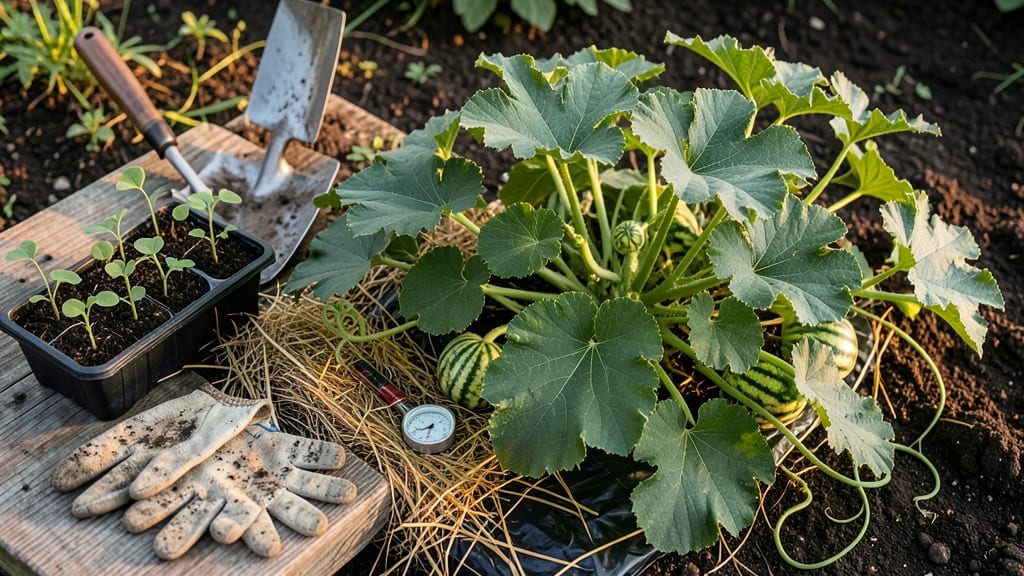
For spring planting, use black plastic mulch to warm soil faster. In summer, opt for shade cloth (30-50%) to protect young plants from 90°F+ heat. Seed-starting indoors isn’t recommended—watermelons hate transplant shock and grow best when direct-sown.
Watch for soil temperature using a soil thermometer—it’s the #1 predictor of germination success. If temps dip below 68°F, seeds may rot. Wait for consistent warmth before planting, even if calendar dates suggest it’s time.
In North Florida, stagger planting by 2 weeks for a prolonged harvest. For South Florida, focus on late summer to avoid hurricane season (June-November) disrupting your crop. Dwarf varieties like Sugar Baby work well in containers for urban gardens.
Pro tip: Test your soil’s pH (ideal: 6.0-6.8) before planting. Florida’s sandy soils often need compost or aged manure to retain moisture. Amend beds 2-3 weeks before planting for best results.
Once planted, mulch heavily with straw to lock in moisture and keep roots cool. Watermelons need 1-2 inches of water weekly, but deep soakings beat frequent shallow watering. Avoid wetting leaves to prevent powdery mildew.
For maximum yield, choose heat-tolerant varieties and plant in full sun. In Florida, July-August often outperforms spring because longer daylight hours boost vine growth. Just protect seedlings from intense midday sun until established.
Florida watermelon planting calendar: exact months for heat-resistant varieties
Florida’s warm climate gives watermelons two prime planting windows, but timing is critical to avoid frost damage or heat stress. The ideal soil temperature for planting is 70°F or higher, which typically aligns with March-April for spring and July-August for summer plantings.
North Florida’s cooler winters mean you’ll need to wait until after the last frost date—usually mid-February to mid-April—while South Florida gardeners can plant as early as January.
For spring planting, aim for mid-February to mid-April to ensure vines establish before summer heat peaks. This window lets you harvest by June-July before the humidity rises and pests proliferate.
If you prefer summer planting, late July to early September works best, with harvests in October-November—just before cooling temperatures slow growth.
Heat-resistant varieties like Sugar Baby, Crimson Sweet, and Charleston Gray thrive in Florida’s 90°F+ conditions and are perfect for these windows. These varieties mature faster (70-80 days) and handle high humidity better than traditional types. Always check seed packets for days to maturity to align planting with your harvest goals.
| Planting Window | Soil Temp Requirement | Frost Risk | Harvest Window | Best Varieties |
|---|---|---|---|---|
| Mid-February to Mid-April (Spring) | ≥70°F | Low (North FL: after Jan 15) | May - July | Sugar Baby, Crimson Sweet |
| Late July to Early September (Summer) | ≥75°F | None (South FL) | October - November | Charleston Gray, Black Diamond |
North Florida’s cooler microclimates (e.g., Panhandle or Gainesville) may require row covers for early spring plantings to protect young vines from unpredictable frost. Use black plastic mulch to warm soil faster and drip irrigation to maintain consistent moisture during dry spells.
In South Florida, where frost is rare, you can plant year-round, but summer heat may reduce yields if not managed properly.
Always test soil temperature with a soil thermometer before planting—60°F soil can stunt growth, while 80°F+ speeds up germination. For container gardening, use large pots (15+ gallons) with fast-draining soil and plant in full sun areas.
Watermelons need 6-10 hours of sunlight daily, so avoid shaded spots or partial sun locations.
Pro tip: Stagger plantings every 2 weeks to extend your harvest season. For example, plant half your seeds in March and the rest in early April to enjoy melons over 6-8 weeks.
This also reduces overproduction stress on vines. Pair with companion plants like basil or marigolds to deter pests and improve flavor.