
Companion Plants
Best fall soil temperatures for planting grass seed (by region)
Fall is the golden window for planting cool-season grass seed because the soil stays warm enough for germination while cooler air reduces weed competition. But timing isn’t one-size-fits-all—your local climate zone and first frost date determine the perfect window.
Aim for 4-6 weeks before frost when soil temps hover between 50°F and 65°F.
In northern regions (USDA Zones 3-5), this typically means late August to mid-September. Southern areas (Zones 6-9) can push it to early October. Planting too early risks seed rot from lingering summer heat, while late planting leaves seeds vulnerable to frost damage before rooting.
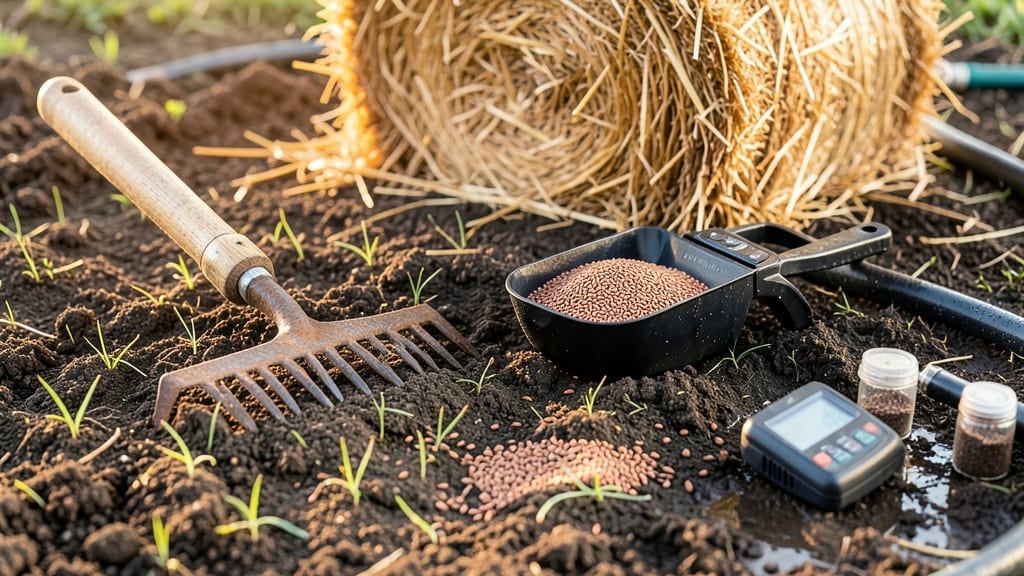
To test soil temperature, use a soil thermometer (insert 2-3 inches deep). If temps drop below 50°F, wait—seeds need warmth to sprout. For warm-season grasses (like Bermuda or Zoysia), fall isn’t ideal, but cool-season types (like Kentucky Bluegrass or Fescue) thrive in these conditions.
Regional variations matter: In Pacific Northwest climates, start by mid-September to avoid early rains. In the Midwest, early September is safer. Always check your local frost dates—planting too close to frost (within 2-3 weeks) risks weak seedlings.
🌱
For optimal germination, pair the right timing with proper soil prep. Loosen soil to 4-6 inches deep and mix in compost to improve drainage. If your soil feels too dry, water it 24 hours before planting—seeds need consistent moisture but not soggy conditions.
After sowing, use a light mulch (like straw) to retain moisture and protect seeds from bird damage. Water lightly daily (about ¼ inch) until sprouts appear, then gradually reduce to deep, infrequent watering to encourage deep root growth before winter.
If you’re in a transition zone (like Zone 6), split your seeding into two batches: plant half in early September and the other half in late September. This hedges against frost risk while maximizing coverage. Always prioritize soil temperature over calendar dates—your thermometer is your best guide.
🌿
Remember, fall-planted grass has a head start next spring because it establishes roots in cool, weed-free conditions. By planting at the right time, you’ll skip the summer stress of spring seeding and enjoy a thicker, greener lawn by May or June.
Best fall soil temperatures for planting grass seed (by region)
Fall is the perfect time to plant grass seed because cooler temperatures reduce stress on young seedlings. For cool-season grasses like Kentucky bluegrass or fescue, aim for soil temperatures between 50°F and 65°F.
This range ensures seeds germinate quickly while giving roots time to establish before winter dormancy. Warmer soils (above 70°F) can cause seeds to dry out or sprout too late.
Your regional climate dictates the exact window. In the Northern U.S. (Zones 3-6), plant between mid-August and mid-September to avoid early frosts.
Southern regions (Zones 7-10) can extend seeding until late October or November, but watch for first frost dates—plant at least 4-6 weeks before the average frost arrives. Use your local USDA Plant Hardiness Zone map to refine timing.
Testing soil temperature is easier than you think. Use a soil thermometer (insert 2-4 inches deep) or check the National Weather Service for your area’s soil temperature forecasts.
If temps dip below 50°F at night, delay planting until conditions stabilize. Pro tip: Early morning is the best time to test—soil cools overnight, giving you the lowest reading.
| Region | Ideal Planting Window | Soil Temp Range (°F) | Risk if Planted Late |
|---|---|---|---|
| Northern U.S. (Zones 3-6) | Mid-August to Mid-September | 50°F–60°F | Frost damage to seedlings |
| Southern U.S. (Zones 7-10) | Late September to Late October | 55°F–65°F | Weed competition |
| Mountainous Areas (Zones 4-7) | Early September to Early October | 45°F–55°F | Slow germination |
Early fall planting (August-September) gives seeds 6-8 weeks to establish roots before winter, while late fall (October-November) risks weed takeover or frost damage.
For example, in Zone 5, seeding in late September means roots have time to harden before the first frost, but planting in November leaves seedlings vulnerable. Always prioritize root depth over speed—deep roots mean a healthier spring lawn.
If you’re in a transition zone (Zones 6-8), err on the side of earlier planting. These areas often experience unpredictable temperature swings. For instance, a warm October might trick you into delaying, but a sudden cold snap can stall germination.
Use a weather app to track 10-day forecasts and adjust your timeline accordingly. Remember, consistency in soil moisture is just as critical as timing—keep the top inch of soil evenly moist (not soggy) for the first 3 weeks.
One common mistake is planting too early when soil is still warm from summer. If you seed in July or early August, weeds and pests thrive, outcompeting your grass. Wait until soil temps drop below 70°F before sowing.
For a foolproof method, test soil temps for 3 consecutive days—if they’re stable in your target range, it’s go time. Patience now saves headaches later!