
Plants
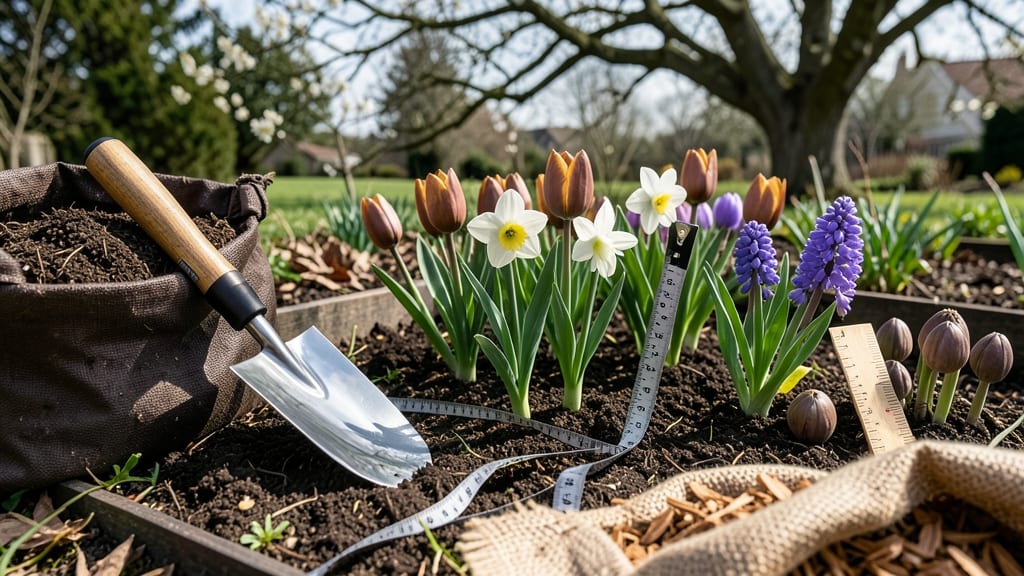
When should you plant these bulbs in the ground? Timing could mean the difference between a garden bursting with color and a missed opportunity for next year's blooms. In USDA Zone 6a, where fall arrives with crisp air and golden leaves, planting these 🌱 underground treasures at the right moment ensures they establish strong roots before winter's chill sets in.
Most gardeners know fall is the prime window, but the exact timing depends on your local frost date. For Zone 6a, aim to plant 6-8 weeks before your first frost—typically between September and early November—so bulbs can develop roots without waking up too early.
This timing isn't just about the calendar; it's about giving your 🌱 bulbs the best chance to thrive.
Why does this matter? Because planting too early can leave bulbs vulnerable to rot, while waiting too long risks weak root growth before the ground freezes. I'll walk you through the perfect schedule for your zone, plus pro tips to adjust for early frosts or late falls.
Whether you're a beginner or a seasoned gardener, these insights will help you avoid common mistakes and set the stage for stunning spring or summer blooms.
Ready to transform your garden? Let's dive into the zone-specific secrets that will have your 🌱 bulbs flourishing year after year—no guesswork required.
Best planting months for bulbs by USDA hardiness zones
Planting bulbs at the right time ensures they establish strong roots before winter or summer dormancy. Most bulbs—like tulips and daffodils—thrive when planted in fall, while summer-blooming varieties (e.g., gladiolus) go in spring.
Your USDA zone dictates the exact window, so let’s break it down by region.
For spring-blooming bulbs (the most common type), aim to plant 6-8 weeks before the first hard frost. This gives roots time to anchor before cold sets in.
In Zone 3-5, that’s typically September-October, while Zone 7-11 gardeners can plant as late as November-December. Always check your local frost dates!
Here’s a quick reference for fall planting across zones, including early, mid, and late windows for popular bulbs like tulips, hyacinths, and crocus:
For summer-blooming bulbs (like dahlias or cannas), wait until the soil warms to 60°F+—typically April-May in most zones. These bulbs cannot tolerate frost, so never plant them in fall unless you’re in Zone 10+.
Pro tip: Use a soil thermometer to confirm temps. Bulbs need 40-50°F soil for root growth. If your zone’s frost date is uncertain, err on the earlier side—bulbs planted too late may not establish before winter.
Ever wonder why some bulbs bloom earlier than others? It’s often due to chilling requirements. For example, tulips need 12-16 weeks of cold to flower, while crocus only needs 8-10 weeks. This is why Zone 3 gardeners might see earlier blooms than Zone 7 neighbors!
If you’re in a warmer zone (9-11), consider fall-planted bulbs like rain lilies or amaryllis, which thrive in mild winters. These exceptions prove that one-size-f’timing doesn’t fit all—always match the bulb to your climate.
Lastly, layering bulbs (planting multiple types in the same spot) can extend your bloom season. For instance, plant crocus (early spring) under tulips (mid-spring) for a 3-month show. Just ensure each gets the right depth and spacing!
Ready to dig in? Grab your bulb planter and check your zone’s frost date—your future garden will thank you! 🌱
How to adjust planting times for early or late blooms
Want to extend your bulb bloom season or force flowers indoors? Adjusting planting times is the key. Layering bulbs in fall lets you stagger blooms from early spring to late summer.
For example, plant crocus first (deepest), then tulips, and finally daffodils (shallowest) in the same spot. This creates a cascading effect as each layer emerges at different times.
For indoor blooms, try forcing techniques. Place paperwhite narcissus in shallow dishes of pebbles and water in late fall—they’ll bloom in 6-8 weeks indoors. Chill hyacinth bulbs in the fridge for 10-12 weeks before potting for vibrant spring displays.
These methods work best with hardy bulbs like tulips or daffodils, which tolerate cold storage.
Microclimates also affect timing. Urban areas with heat islands may need bulbs planted 2-3 weeks earlier than rural zones, as soil warms faster. Coastal regions with milder winters can plant late fall bulbs (like allium) as late as December without frost risk.
Always check your local last frost date and adjust by 4-6 weeks for safety.
If you love late-season blooms, try planting fall-blooming bulbs like crocus or snowdrops in early fall (September-October). These thrive in cooler soils and often rebloom the following year. For tropical bulbs (e.g., amaryllis), plant in late summer (August-September) when nights cool slightly—this mimics their natural dormancy cycle.
Pro tip: Use a soil thermometer to monitor temperatures. Most bulbs need soil between 40-50°F to root successfully. If your soil stays warm past October 1st, opt for shade-loving bulbs like lycoris or plant in partial shade to delay sprouting until spring.
Experiment with container gardening for flexibility. Move pots indoors before frost or place them in protected microclimates (e.g., near south-facing walls). This lets you control bloom times year-round, even in Zone 3 winters. Just ensure containers have drainage holes to prevent rot during dormancy.