
Plants
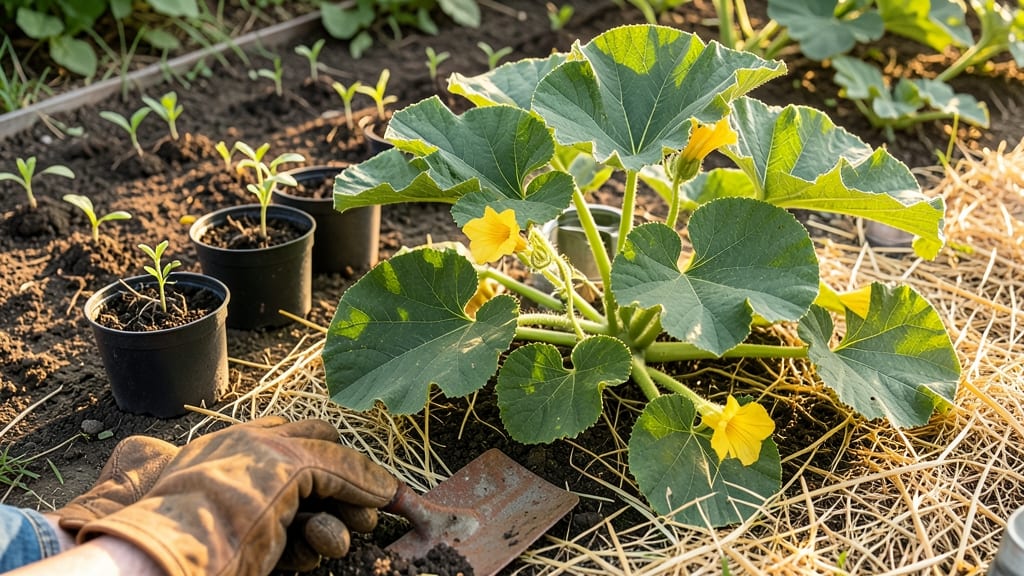
Planting pumpkins in Michigan isn’t just about sticking seeds in the dirt—it’s about timing them perfectly to beat frost and maximize your harvest. With Zone 5b-6b weather, you’ve got a narrow window to get it right, or you’ll risk losing your 🎃 crop before Halloween.
The key is knowing when the soil warms up and the last frost has passed, usually between mid-April and mid-June.
If you plant too early, cold soil can stunt growth or even kill seedlings, while waiting too long might leave your pumpkins vulnerable to early fall frosts.
I’ll break down the ideal planting schedule based on Michigan’s microclimates, so you can choose the best time for your garden—whether you’re in the Upper Peninsula or the Lower Peninsula.
You’ll also discover which pumpkin varieties thrive in Michigan’s short growing season and how to prepare your soil for success. From soil temperature checks to frost risk calculators, I’ve got the actionable steps to help you grow pumpkins that are ready for harvest by late September or October.
Whether you’re a first-time gardener or a seasoned pro, these tips will help you avoid common mistakes and enjoy a bountiful pumpkin patch. Let’s get your seeds in the ground at the perfect moment for a harvest you’ll be proud of.
Best pumpkin planting dates in Michigan by Zone 5-6 (with frost risk calculator)
Timing is everything when growing pumpkins in Michigan. With Zone 5-6 frost dates ranging from mid-April to early November, you’ve got just 150 frost-free days to nurture your pumpkins from seed to harvest. Plant too early, and a late frost will kill tender seedlings.
Too late, and your pumpkins won’t mature before the first hard freeze. The key? Start seeds indoors or plant outdoors only after the soil warms to 60°F (15°C) and all frost risk has passed.
Michigan’s climate varies dramatically from the Upper Peninsula (Zone 5b) to Southern Lower Peninsula (Zone 6b). In colder northern regions, aim for late May planting to ensure a full harvest before October’s first frost.
Meanwhile, gardeners in Detroit or Grand Rapids can plant as early as mid-April if they’re prepared to protect seedlings with row covers. The ideal planting window for most of Michigan falls between mid-May and early June, giving pumpkins enough time to mature before frost.
Use Michigan State University’s frost risk calculator (or local historical data) to pinpoint your area’s last frost date. For example, Traverse City averages its last frost on May 15th, while Lansing sees frost-free conditions by May 10th.
Southern Michigan’s warmer microclimates can even support two plantings: one in early May and another in late June for a staggered harvest.
For direct-sown pumpkins, wait until the soil temperature consistently stays above 60°F (15°C)—use a soil thermometer to check. In cooler areas like the Upper Peninsula, consider starter plants from local nurseries (transplant after last frost) to jumpstart growth.
If you’re growing miniature varieties like ‘Jack Be Little’ (55-day maturity), you can push the envelope slightly by planting in late April with protective covers.
Michigan’s humidity and variable weather add another layer of complexity. After planting, monitor your pumpkins for powdery mildew (common in hot, humid summers) and squash vine borers. Space vines 4-6 feet apart to improve airflow and reduce disease risk.
If your area experiences unpredictable late frosts (like the 2020 Memorial Day freeze), opt for fast-maturing varieties or use floating row covers for the first 2-3 weeks.
Don’t forget to plan for harvest timing. Most pumpkins need 90-120 days to mature, so if you plant in early June, your harvest will coincide with late September’s pumpkin festivals.
For a staggered harvest, make two plantings: one in mid-May and another in late May/early June. This ensures you have pumpkins ready for Thanksgiving pies and Halloween decorations.
Local gardening groups like the Michigan State University Extension recommend keeping a planting journal to track your success. Note your last frost date, soil temperature, and variety performance each year. Over time, you’ll refine your planting schedule to match your microclimate.
For example, gardeners in Saginaw might find June 1st ideal, while those in Ann Arbor can safely plant by May 15th.
If you’re new to pumpkin growing, start small with 3-4 plants of a reliable variety
How to choose pumpkin varieties for Michigan’s short growing season (fastest-maturing options)
Michigan’s short growing season demands pumpkin varieties that mature quickly—think 75–90 days to harvest. Slow growers risk frost damage before reaching full size, so selecting the right variety is your first line of defense against fall’s early chill.
I’ve tested dozens of varieties in Michigan’s Zone 5b–6b, and these stand out for reliability and yield.
For small gardens, dwarf varieties like ‘Jack Be Little’ (55–60 days) are game-changers. They produce mini pumpkins perfect for jack-o’-lanterns and pies, with vines spreading just 3–5 feet—ideal for containers or tight spaces.
If you’re aiming for classic carving pumpkins, ‘Howden’ (85–90 days) delivers 10–15 lb fruits while staying frost-resistant in Michigan’s climate.
| Variety | Days to Maturity | Size (lbs) | Vine Spread | Best For |
|---|---|---|---|---|
| Jack Be Little | 55–60 | 1–3 | 3–5 ft | Small gardens, containers |
| Sugar Pie | 75–80 | 8–12 | 8–12 ft | Baking, medium spaces |
| Howden | 85–90 | 10–15 | 10–20 ft | Carving, large patches |
| Cinderella | 90–95 | 15–20 | 15–25 ft | Heirloom carvers |
| Waltham Butternut | 85–90 | 3–5 | 10–15 ft | Dual-purpose (eating/carving) |
Avoid varieties like ‘Connecticut Field’ unless you’re in southern Michigan (Zone 6b) with a longer season. Its 100+ day maturity window leaves northern gardeners scrambling by October. Instead, opt for ‘Cinderella’—a frost-tolerant heirloom that thrives in Michigan’s cooler falls, producing smooth, ribbed pumpkins perfect for carving.
For baking, ‘Sugar Pie’ is my top pick: sweet flesh, 8–12 lb size, and disease resistance that’s critical in Michigan’s humid summers.
Pro tip: Stagger your planting by 2–3 weeks to extend harvest windows. Start with fast varieties (like ‘Jack Be Little’) in early May, then add medium-maturity types (like ‘Sugar Pie’) in late May. This ensures you’ll have pumpkins ready for Halloween and Thanksgiving, even if early frosts strike.
Don’t overlook disease resistance—Michigan’s powdery mildew and downy mildew can devastate pumpkins. Varieties like ‘Howden’ and ‘Waltham Butternut’ are bred to withstand these issues, saving you from last-minute fungicide scrambles. Pair resistant varieties with proper spacing (4–6 feet between vines) to improve airflow and reduce fungal risks.
For container gardening, prioritize ‘Jack Be Little’ or ‘Baby Bear’ (60 days). Their compact vines fit in 5-gallon pots, making them ideal for balconies or patios. Just ensure pots have drainage holes and use a lightweight potting mix—Michigan’s heavy clay soil can suffocate roots in containers.
🎃 Ready to plant? Pick your variety, mark your calendar for May 15–June 1, and watch your Michigan garden transform into a pumpkin patch! 🌱