
How To
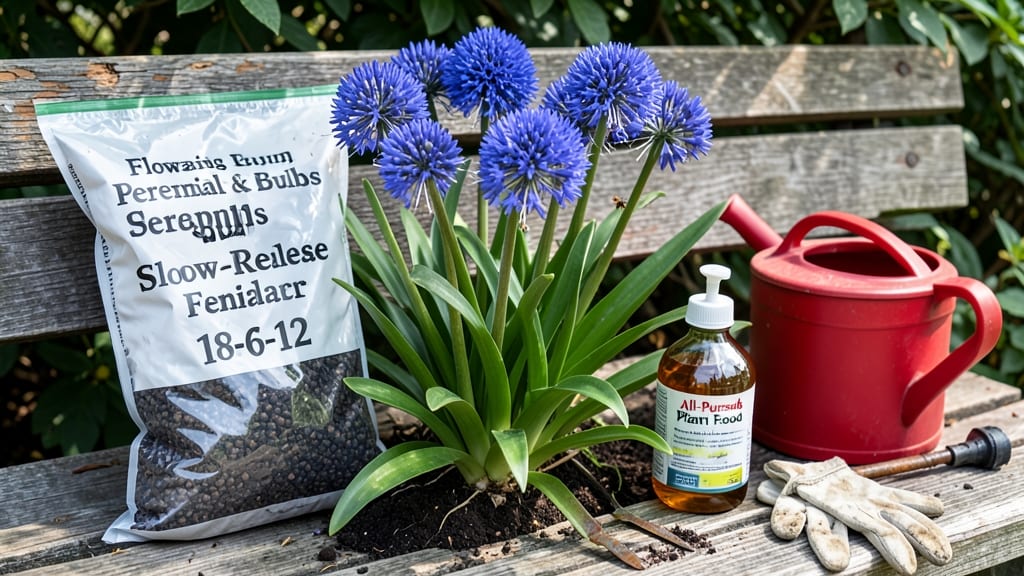
If you’ve ever stared at your Agapanthus 🌸 and wondered when to fertilize agapanthus for those stunning blue blooms to be as vibrant—or as plentiful—as they could be, the answer might be simpler than you think: timing.
Fertilizing at the wrong moment can leave your plants struggling, while the right schedule transforms them into lush, flowering powerhouses.
Most gardeners focus on spring feeding, but the real secret to show-stopping blooms lies in a second, often overlooked window—late summer.
I’ll break down exactly when to feed your Agapanthus for maximum impact, whether you’re in a temperate zone like 6a or a warmer climate, and how to pick the best fertilizer to avoid common mistakes that kill blooms.
You’ll also learn how to spot when your plants are actually hungry (yellowing leaves aren’t always the culprit!) and when to skip feeding entirely. By the end, your Agapanthus will be thriving with bold, longer-lasting flowers—no guesswork required.
Ready to turn those April-May plantings into a year-round showstopper? Let’s get started.

Best times to fertilize agapanthus for maximum blooms: spring vs late summer
Fertilizing your agapanthus at the wrong times can actually hurt blooms instead of helping. The key is feeding when the plant is actively growing—early spring for roots and late summer to prep for next year’s flowers.
Skipping either window means fewer, smaller blooms. Let’s break down the science behind these two critical times and how to adjust for your climate.
Agapanthus thrives on a two-phase feeding schedule. In spring (March-April), focus on root development with a balanced fertilizer. This sets the stage for strong stems and leaves, which directly impact bloom quality.
Then, in late summer (August-September), switch to a phosphorus-rich feed to encourage next year’s flower buds. Many gardeners overlook late summer, but this is when you lock in next season’s blooms.
Your local climate plays a huge role. In warmer zones (USDA 8+), agapanthus grows year-round, so you might fertilize in early spring and early fall instead. In cooler regions (USDA 6-7), wait until after the last frost before feeding in spring.
Always avoid fertilizing in winter or early spring—new growth in cold weather gets scorched.
Here’s the golden rule: Feed when leaves emerge in spring and 6-8 weeks after blooming in summer. This aligns with the plant’s natural growth cycles. For example, if your agapanthus blooms in July, fertilize again in late August to push next year’s buds.
| Fertilization Window | Best Time | Purpose | Fertilizer Type | Climate Adjustments |
|---|---|---|---|---|
| Early Spring | March-April (after last frost) | Root growth & foliage | Balanced (10-10-10) | Warmer zones: Feb-March |
| Late Summer | August-September | Flower bud formation | Phosphorus-rich (5-10-10) | Cooler zones: Sept-Oct |
| Winter | November-February | Dormant period | None | All climates: Skip |
| Fall | October-November | Transition to dormancy | None (unless tropical) | Tropical zones: Light feed |
For container-grown agapanthus, fertilize more frequently—every 3-4 weeks during the growing season—since potted soil depletes nutrients faster. Use a water-soluble fertilizer to avoid salt buildup. In-ground plants only need feeding twice a year, but monitor soil health with an annual compost top-dressing.
One common mistake is over-fertilizing in summer, which leads to lush leaves but fewer blooms. Agapanthus stores energy in its roots, so light applications in late summer are better than heavy doses.
Think of it like training for a marathon—not sprinting. A half-strength feed every 6 weeks works better than one big dose.
If you’re in a humid climate, reduce fertilizer by 25% to prevent fungal issues from excess salts. In dry regions, water deeply after feeding to help nutrients reach the roots.
Always fertilize in the morning to avoid leaf burn from evening moisture. Pro tip: Mix fertilizer into the top 2 inches of soil rather than sprinkling on top for better absorption.
Your agapanthus will thank you with bigger, longer-lasting blooms if you stick to this schedule. Start with spring feeding, then plan your late summer boost 6-8 weeks after flowers fade. Consistency is key—skipping even one year can reduce bloom quality for up to two seasons.
🌸
Best times to fertilize agapanthus for maximum blooms: spring vs late summer
Timing your agapanthus fertilization is the secret to those show-stopping blue and purple blooms you adore. Most gardeners focus on spring feeding, but late summer fertilization is equally critical—often overlooked but essential for next year’s blooms. Let’s break down the two key fertilization windows and how climate affects your schedule.
In temperate climates (USDA Zones 7-9), the best times to fertilize agapanthus are early spring (March-April) and late summer (August). Early spring kickstarts root growth, while late summer preps the plant for next year’s flower buds.
In warmer climates (Zones 10+), shift late summer feeding to June-July to align with your growing season.
Why late summer? Many gardeners skip this step, but it’s when agapanthus stores nutrients for next year’s blooms. A light feeding in late summer ensures your plant isn’t nutrient-depleted when buds form. Think of it as a bloom insurance policy—skipping it often leads to fewer or smaller flowers the following season.
| Fertilization Window | Purpose | Best For | Climate Adjustments |
|---|---|---|---|
| Early Spring (March-April) | Stimulates root growth and foliage development | Established plants, first-year growth | Warmer zones: Start by February |
| Late Summer (August) | Encourages nutrient storage for next year’s blooms | Plants showing weak growth or small buds | Cooler zones: Delay to September |
| Avoid Fertilizing | Fall/Winter (dormant period) | All plants | Tropical zones: No winter break—feed lightly every 8 weeks |
For newly planted agapanthus, wait until the second spring before fertilizing. Young plants need time to establish roots, and over-fertilizing can burn delicate roots.
Once established, aim for every 4-6 weeks during the growing season, but always use a balanced fertilizer (like 5-10-10) to avoid nitrogen overload, which can reduce blooms.
Pro tip: If your agapanthus blooms heavily one year, reduce fertilizer the following spring. Heavy bloomers often deplete soil nutrients, so a lighter hand in spring keeps the plant balanced. Pair fertilization with mulching to retain moisture and slow nutrient release—this doubles the effectiveness of your feedings.
Watch for yellowing leaves or stunted growth after feeding; these are signs of over-fertilization. Flush the soil with water if you suspect excess salts or nutrients. With the right timing, your agapanthus will reward you with bold, long-lasting blooms for years to come. 🌸💧