
Fertilization
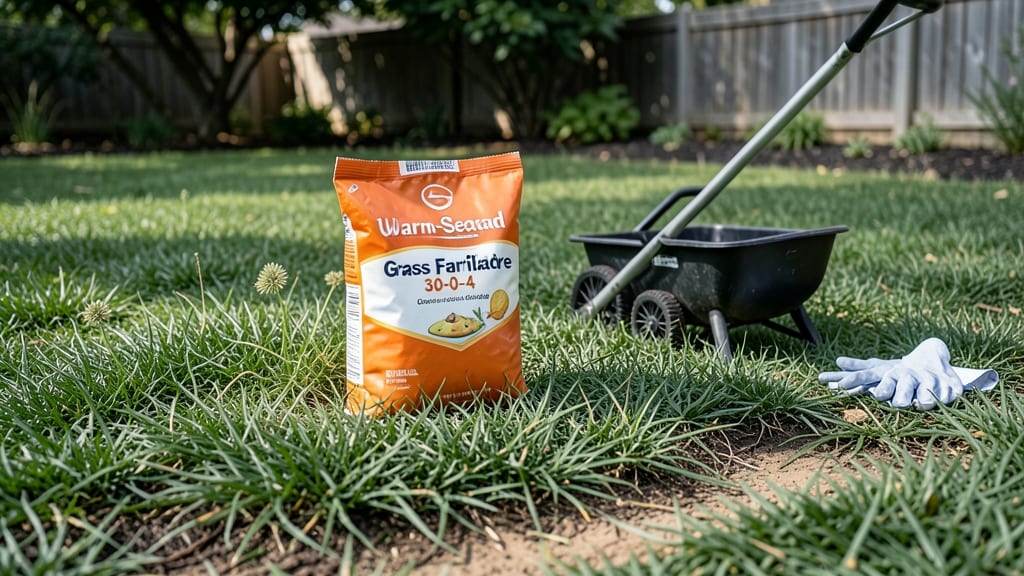
Mastering when to fertilize Bermuda grass in North Texas isn’t just important—it’s the difference between a lush, heat-proof lawn and one that struggles to survive the summer. If you fertilize at the wrong time, you're basically handing weeds an open invitation while wasting money on treatments that won’t stick.
Most gardeners in Zone 8a make the same mistake: they wait until summer to feed their lawn, only to watch their grass burn under the relentless sun. The truth? Bermuda thrives when fertilized in spring and fall, not when the heat peaks.
I'll show you the exact schedule that keeps your turf thick all year—no guesswork, just science-backed timing.
You don't need a degree in horticulture to get this right. With just three key fertilizations at the right moments, you'll strengthen your grass's roots, boost its drought resistance, and keep it looking green even when your neighbors' lawns are turning brown.
Let's cut to the chase and get your Bermuda Grass on the fast track to perfection.
Ready to transform your lawn? We'll cover everything from soil tests to the best fertilizer types for North Texas' brutal summers—so you can finally stop playing lawn roulette and start growing grass that actually thrives. Your future self (and your lawn) will thank you.

Optimal fertilization timing for Bermuda grass in North Texas (spring & fall guide)
North Texas’ hot summers and variable rainfall demand a precise fertilization schedule for Bermuda grass. Unlike cool-season grasses, Bermuda thrives when soil temps hit 65°F+, meaning spring and fall are your golden windows—not summer.
Fertilizing at the wrong time can burn roots or attract pests, so timing is everything.
Most gardeners make the mistake of fertilizing during peak summer heat, which stresses the grass. Instead, focus on two key periods: early spring (after dormancy) and late fall (for winter prep).
This schedule aligns with North Texas’ USDA Zone 8a climate, where last frost typically occurs around March 15 and first frost hits November 15.
Here’s the exact month-by-month breakdown for your Bermuda lawn, including soil temperature triggers and fertilizer types to use. Pro tip: Always test your soil first—North Texas soils often lack phosphorus, which Bermuda needs for root strength.
| Season | Best Time | Soil Temp Trigger | Fertilizer Type | Key Goal |
|---|---|---|---|---|
| Early Spring | Late March - Early April | 65°F+ (after last frost) | High-nitrogen (16-4-8) | Break dormancy, promote root growth |
| Late Spring | May - Early June | 75°F+ | Slow-release nitrogen | Strengthen blades for summer |
| Summer | Avoid fertilizing | 90°F+ (stress risk) | None (unless patch repair) | Prevent heat stress, conserve moisture |
| Early Fall | Late September - Early October | 70°F+ (cooling trend) | Low-nitrogen (10-10-10) | Build root depth for winter |
| Winter | November - February | Below 50°F | None (dormancy) | Protect roots from freeze |
Notice how summer fertilization is skipped? Bermuda grass goes semi-dormant in extreme heat, and feeding it then can burn roots or attract chinch bugs. Instead, use summer to mow higher (1.5–2 inches) and water deeply (1–1.5 inches per week) to retain moisture.
This mimics North Texas’ natural rainfall patterns and reduces stress.
For newly seeded Bermuda, delay fertilization until the grass is fully established (6–8 weeks). Young grass needs time to develop roots before handling nitrogen.
Use a starter fertilizer (10-10-10) at half strength to avoid shocking tender shoots. In North Texas, this typically means waiting until mid-May for spring plantings.
One critical North Texas-specific tip: If your lawn turns yellowish-brown in summer, it’s likely drought dormancy, not a fertilizer issue. Hold off on feeding until temps drop below 85°F. Over-fertilizing in drought conditions can increase weed pressure by making your grass more vulnerable to stress.
To maximize results, pair fertilization with proper watering. Always water deeply (6–8 inches) 24–48 hours after applying fertilizer to help nutrients reach the roots. In North Texas’ caliche-heavy soils, this means using a soil probe to check moisture depth—surface watering won’t cut it.
Finally, calibrate your spreader for North Texas’ variable soil types. Clay soils (common in Dallas) need 20–25% more fertilizer than sandy soils (like those in Lubbock). A simple soil test from the Texas A&M AgriLife Extension can tell you your exact NPK needs—don’t guess!
By following this seasonal schedule, your Bermuda grass will stay dense, drought-resistant, and lush—even through North Texas’ brutal summers. The key? Timing over quantity every time. 🌱
Optimal fertilization timing for Bermuda grass in North Texas (spring & fall guide)
North Texas’ hot summers and drought conditions demand a precision fertilization schedule for Bermuda grass. Unlike cool-season grasses, Bermuda thrives when soil temps hit 65°F+, making spring and fall the only safe windows. Summer fertilization? That’s a recipe for burned grass—the heat intensifies fertilizer salts, scorching your lawn.
Timing starts with soil temperature, not calendar months. Use a soil thermometer to confirm 65°F+ before applying fertilizer. In North Texas, this typically aligns with late March to early April for spring, and late September to early October for fall.
Miss these windows, and your grass struggles to recover from dormancy or prepare for winter.
⚠️ CRITICAL: Bermuda grass goes dormant in winter. Fertilizing during November–February wastes nutrients and stresses the roots. The only exception is a light fall application in October to harden off the grass before frost.
| Season | Soil Temp Trigger | Fertilizer Type | Frequency | Key Goal |
|---|---|---|---|---|
| Spring (Mar–Apr) | 65°F+ | High-nitrogen (16-4-8) | Every 4–6 weeks | Break dormancy, promote growth |
| Summer (Jun–Aug) | Avoid (heat risk) | None | — | Maintain watering, no fertilizer |
| Fall (Sep–Oct) | 70°F+ (early) | Light nitrogen (10-0-10) | Single application | Strengthen roots for winter |
| Winter (Nov–Feb) | Dormant | None | — | Avoid fertilizer entirely |
For newly established Bermuda grass, delay fertilization until 6–8 weeks after planting to avoid shocking tender roots. Use a slow-release fertilizer (like 16-4-8) to prevent nutrient burn in North Texas’ alkaline soils. Always water deeply before and after applying fertilizer to help nutrients penetrate the roots.
Pro tip: Test your soil in early spring to check pH (6.0–7.5 ideal) and nitrogen levels. North Texas soils often lack organic matter, so consider adding compost alongside fertilizer for better results. A soil test kit costs $20 and saves you from over-fertilizing.
By sticking to this spring-fall schedule, your Bermuda grass will stay dense, drought-resistant, and heat-proof—even during North Texas’ 100°F+ summers. Skip the summer feeds, and your lawn will thank you with vibrant green all year. 🌱