
How To
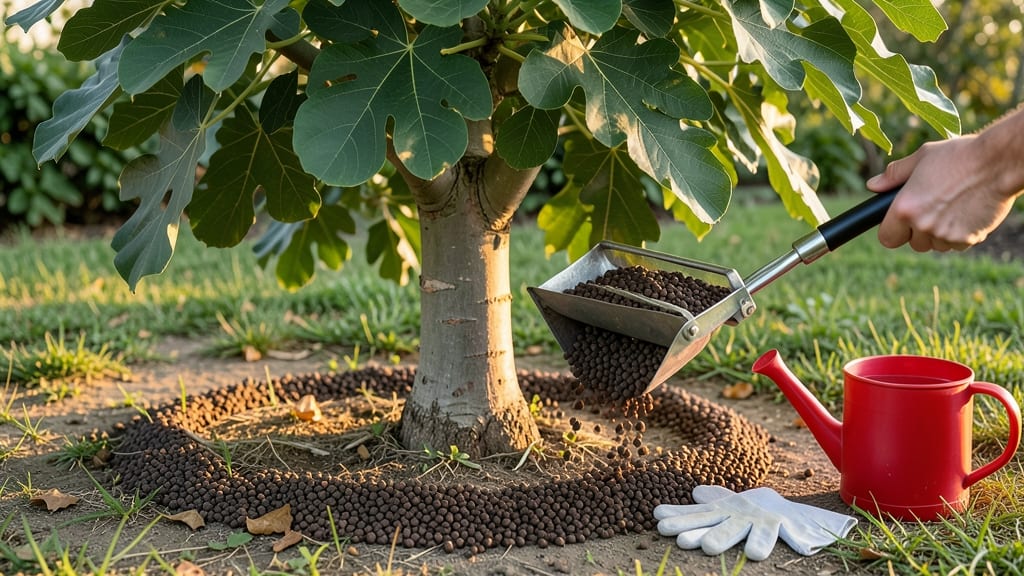
Timing when to fertilize fig tree wrong can mean the difference between a thriving 🍈 with sweet fruit and a struggling plant that barely sets buds.
Most gardeners overlook the seasonal rhythm of feeding, assuming more fertilizer always equals better growth—but that’s a fast track to burned roots and wasted money.
Here’s the truth: your fig tree’s needs shift dramatically from spring to fall, and missing these key windows could stunt its potential.
I’ll walk you through the exact schedule to boost growth, maximize fruit production, and avoid common mistakes—whether you’re in a warm Mediterranean climate or a cooler USDA Zone 6a like mine.
You’ll discover when to feed lightly in early spring to kickstart new leaves, how to support heavy fruiting in summer, and why fall and winter are sacred rest periods.
Plus, I’ll share how to spot nutrient deficiencies early (like yellowing leaves or weak stems) so you can adjust before it’s too late.
By the end, you’ll have a foolproof plan tailored to your tree’s age, location, and even whether it’s in a pot or planted in the ground. Let’s make sure your fig tree gets the right fuel at the right time—because patience and precision pay off with bigger, sweeter harvests.

Best times to fertilize fig trees by season (with key signs)
Fig trees thrive when fertilized at the right times—timing is everything for fruit production and tree health. Unlike many plants, figs hate winter fertilization and need careful attention to soil temperature and growth cycles.
My go-to schedule focuses on three key windows: early spring, late spring/summer, and avoiding fall/winter entirely.
In USDA Zones 7-10, fig trees break dormancy when soil reaches 60°F (15°C), signaling it’s time for your first light feed. This usually aligns with March-April in most regions, but container-grown trees may need adjustments due to faster warming.
Watch for new leaf buds—they’re your green light to fertilize.
Here’s how I break down fertilization by season with clear visual cues:
| Season | Key Signs | Fertilizer Type | Frequency |
|---|---|---|---|
| Early Spring | New leaf buds appear 🌱 | Balanced (6-10-10) | Once |
| Late Spring/Summer | Flower buds forming 🌸 | High-phosphorus (5-10-5) | Every 4-6 weeks |
| Fall | Leaf drop begins 🍂 | None | — |
| Winter | Dormant period 🌲 | None | — |
For container-grown fig trees, I adjust the schedule slightly—they warm up faster and may need their first feed by February in warmer climates. Always check soil moisture first; dry soil means it’s safe to fertilize, while soggy soil signals a wait.
My rule? Never fertilize when leaves look stressed—this is a sure sign of overdoing it.
In temperate zones (USDA 6-7), fig trees often need a second summer feed around July-August to support late-season fruit. Look for green figs forming—this is your cue. Container trees in these zones may need monthly light feeds during summer due to faster nutrient depletion.
One critical mistake I see is fertilizing in fall or winter. This forces new growth when the tree should be resting, leading to weak branches and poor fruit set next year. Instead, focus on mulching with compost in late fall to nourish roots naturally during dormancy.
Young fig trees (under 3 years old) need half the fertilizer of mature trees. I use a 5-10-5 ratio for youngsters to encourage root development before pushing fruit production.
Mature trees, however, can handle 6-10-10 during peak growing months—just split applications into two lighter doses to avoid root burn.
Pro tip: Water deeply before fertilizing to help nutrients penetrate the soil. I always apply fertilizer in the early morning when temps are cool, reducing the risk of leaf burn from heat stress.
For container trees, I mix fertilizer directly into the top 2 inches of soil rather than scattering it around the base.
Finally, organic fertilizers like compost or fish emulsion release nutrients slowly, making them ideal for fig trees. I switch to synthetic fertilizers only during peak fruiting for a quick phosphorus boost. Always follow the label rates—fig trees are sensitive to excess salts.
Best times to fertilize fig trees by season (with key signs)
Fig trees thrive when fertilized at the right times, not just any time. Unlike many plants, they hate winter feeding and need a light touch in spring before heavy summer feeding.
The key? Watch for new growth and flower buds—these signal when to feed. In colder climates, wait until soil warms to 60°F+ before applying fertilizer.
Your fig tree’s growth cycle dictates fertilization timing. In spring (March–April), focus on root development with a light nitrogen boost. By summer (May–July), switch to a balanced fertilizer (like 6-10-10) to fuel fruit production. Fall and winter? Zero fertilizer—your tree rests then.
Container-grown fig trees need more frequent feeding than in-ground ones. Since their roots are confined, fertilize them every 3–4 weeks during spring/summer. Always water deeply before and after applying fertilizer to prevent root burn. Pro tip: Use a slow-release fertilizer to avoid overloading.
Young fig trees (1–2 years old) are light feeders. Over-fertilizing can burn their delicate roots. Start with half the recommended dose and increase gradually. Mature trees (3+ years) can handle full-strength fertilizer, but never exceed 1/2 cup per tree per application.
Climate matters! In Mediterranean climates, fertilize in early spring and late summer to align with natural rainfall. In temperate zones, stick to spring and summer only. Always check soil moisture—dry soil absorbs fertilizer faster, risking burn.
Missed a fertilization window? Don’t panic. Fig trees are forgiving. Just adjust next season’s schedule. For example, if you skipped spring, focus on summer feeding to support fruit. And always test soil pH (ideal: 6.0–7.0