
How To
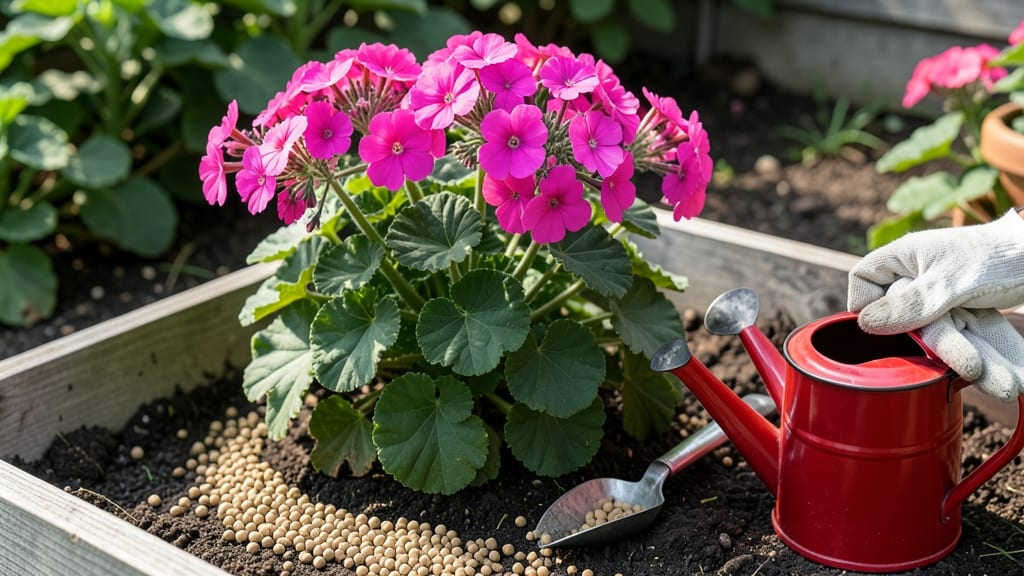
Knowing when to fertilize geraniums can mean the difference between vibrant, long-lasting blooms and struggling plants that barely put out leaves.
These cheerful 🌸 flowers thrive when fed at the right moments—but timing is everything, and many gardeners accidentally feed too early or too late, wasting fertilizer and stressing their plants.
If you’ve ever watched your geraniums slow down after a feeding or fail to bloom as expected, you’re not alone. The secret lies in aligning fertilizer with their natural growth cycles, starting with a light boost in early spring and shifting to mid-summer maintenance.
Let’s break down the exact schedule to keep your geraniums flourishing all season long.
Spring is all about setting the stage for growth, while summer is when your geraniums need extra nutrients to support their showy flowers. We’ll cover the best types of fertilizer to use, how often to apply them, and what to watch for if you’ve overdone it.
By the end, you’ll have a foolproof plan to keep your geraniums happy and blooming.
Whether you’re a seasoned gardener or just starting with these easy-care plants, mastering the timing will save you time, money, and frustration. Let’s get those geraniums looking their best with the right feeding strategy!

Optimal fertilizing timeline for geraniums: spring vs. mid-summer feeding
Timing your geranium fertilizer is the secret to nonstop blooms. These sun-loving plants need two key feeding windows: early spring to kickstart growth and mid-summer to sustain flowers. Miss these windows, and you’ll end up with leggy stems or sparse blooms instead of the vibrant displays you crave.
For USDA zones 5-10, the ideal schedule aligns with your geraniums' natural growth cycle. In cooler climates (zones 5-7), start fertilizing after your last frost date (typically mid-April). Warmer zones (8-10) can begin as early as February, but wait until soil temperatures hit 60°F to avoid shocking tender roots.
Here’s the golden rule: Feed lightly in spring to encourage foliage, then switch to bloom-boosting fertilizer in mid-summer. Overdoing it too early leads to lush leaves but few flowers—a common mistake that wastes both fertilizer and your time.
🌸
🌱 Geranium Fertilizing Schedule by Season
| Month | Action | Notes |
|---|---|---|
| March | None | Soil too cold; wait for 60°F |
| April | Light feed (½ strength) | Encourages new growth after dormancy |
| May-June | Full feed (every 4-6 weeks) | Use 10-10-10 or bloom booster |
| July-August | Light feed (½ strength) | Maintain blooms; avoid late summer feeding |
| September-October | None | Prep for dormancy; no new growth |
| November-February | None | Dormant period; store indoors if potted |
💡 Pro Tip: Container geraniums need twice the fertilizer frequency of in-ground plants due to limited soil nutrients.
Your geraniums’ blooming season runs from early summer to fall, so the mid-summer feeding (around July) is critical. This is when you’ll see the most dramatic response—bright, abundant flowers that last for weeks.
Use a balanced fertilizer (10-10-10) or a bloom-boosting formula with slightly more phosphorus (like 5-10-5) to encourage flowers over foliage.
For container geraniums, mix fertilizer into the top inch of soil or apply as a liquid every 4-6 weeks. In-ground plants benefit from a slow-release granule worked into the soil at planting time, followed by monthly liquid feeds. This dual approach ensures steady nutrition without the risk of over-fertilizing.
If you’re in a hot, dry climate (like zones 9-10), reduce feeding frequency to every 6-8 weeks. Heat stress makes geraniums more sensitive to fertilizer burn, and they’ll reward you with longer-lasting blooms when fed less frequently but consistently.
One common mistake is fertilizing into late summer or fall. By September, geraniums start preparing for dormancy, and new growth will be weak or leggy. Stop feeding entirely by mid-August to give your plants time to harden off before cooler weather arrives.
🌿
Optimal fertilizing timeline for geraniums: spring vs. mid-summer feeding
Geraniums thrive when fertilized at the right times—too early and you’ll encourage leafy growth over blooms, while late feeding can stunt their summer flowering. The key is feeding during active growth phases, which aligns with spring and mid-summer in most climates (USDA zones 5-10).
Start fertilizing after the last frost when soil warms to 60°F, signaling it’s safe to wake up your plants from dormancy.
For container geraniums, timing matters even more since they rely entirely on you for nutrients. A balanced fertilizer (10-10-10 NPK) applied every 4-6 weeks during the growing season keeps them blooming.
In-ground geraniums benefit from the same schedule but may need less frequent feeding if your soil is rich in organic matter. Always water thoroughly after fertilizing to prevent root burn.
| Season | Fertilizing Action | Notes |
|---|---|---|
| Early Spring (March-April) | Light Feed | After last frost; use half-strength fertilizer |
| Late Spring (May) | Full Feed | Encourages bud formation; water deeply |
| Mid-Summer (July) | Feed Again | Boosts blooms; avoid high-nitrogen fertilizers |
| Late Summer (August-Sept) | Stop Feeding | Prevents tender new growth before frost |
In warmer climates (zones 8-10), geraniums may stay active longer, so extend your feeding schedule into early fall. However, always stop fertilizing 6 weeks before the first frost to allow plants to harden off naturally.
For potted geraniums, use a slow-release fertilizer in spring to avoid overfeeding, as containers dry out faster and nutrients leach away with watering.
If your geraniums are perennial, focus on feeding in early spring to jumpstart growth before the first flush of blooms. Annual geraniums, on the other hand, benefit from two feedings: once in late spring and again in mid-summer.
Always choose a fertilizer with equal NPK ratios (like 10-10-10) to promote balanced growth and abundant flowers rather than leafy stems.
Pro tip: Mix a handful of compost into the soil at planting time to provide long-term nutrients. This reduces the need for frequent fertilizing and improves soil structure. For container geraniums, top-dress with compost every 3 months to replenish nutrients lost during watering.
Always fertilize in the morning to allow foliage to dry and prevent fungal issues.
Overlooking the fertilizing window can lead to leggy plants with few blooms. By following this schedule, your geraniums will reward you with vibrant, continuous blooms from early summer until frost. Just remember: timing is everything—too early or too late, and you’ll miss the boat on those show-stopping flowers! 🌸