
How To
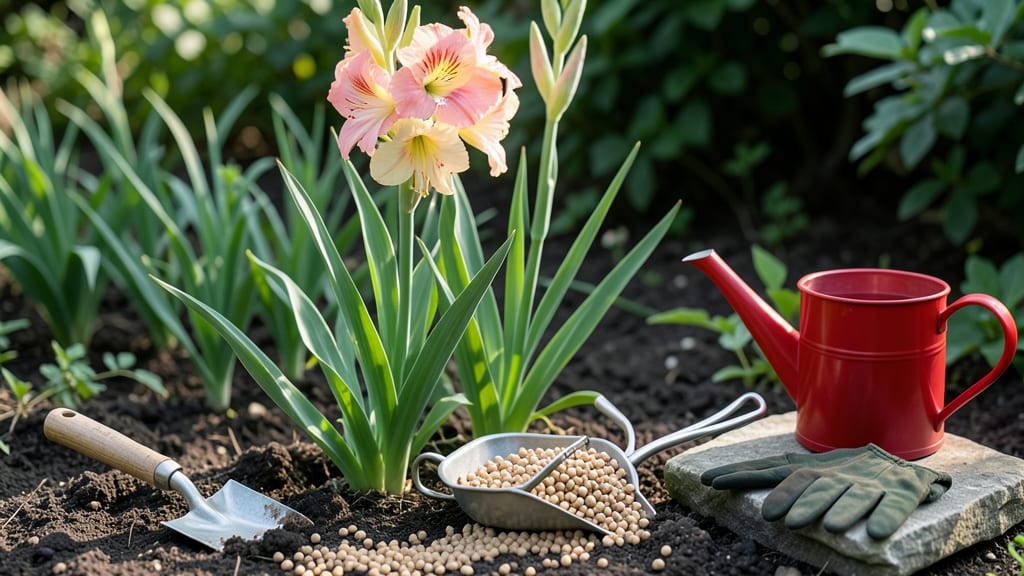
When to fertilize gladiolus can make the difference between a garden full of weak stems and one bursting with dramatic, showstopping blooms. Most gardeners assume feeding these tall beauties is as simple as tossing fertilizer on the soil, but the truth is, when you fertilize makes all the difference. Whether you’re in Zone 6a or a warmer region, knowing the right moments—like right after planting in April-May or during their peak growth in summer—can mean the difference between healthy foliage and vibrant blooms.
I’ve seen firsthand how a well-timed feed can turn a struggling gladiolus into a standout star in the garden. The key isn’t just what you feed them, but when—whether it’s a light spring boost, mid-season support, or even post-bloom care to prep for next year.
If you’re ready to unlock the secrets to lush, thriving gladiolus, let’s dive into the exact schedule and tips that’ll have your garden buzzing with color all season long.

Optimal gladiolus fertilization schedule by growth stage
Fertilizing gladiolus at the right time ensures vibrant blooms and strong corm development. Unlike annuals, these perennial bulbs thrive with targeted feeding during specific growth phases. I’ve learned that timing matters more than quantity—over-fertilizing in the wrong season can harm your plants instead of helping.
Gladiolus have three key fertilization windows: pre-planting, early growth, and active flowering. Each stage requires a different approach to nutrient delivery. For example, a light nitrogen boost at planting encourages root growth, while phosphorus-rich fertilizers during bud formation promote blooms.
Let’s break down the exact schedule I follow for healthy, show-stopping gladiolus.
🌱 Gladiolus Fertilization Timeline
| Stage | When to Fertilize | Fertilizer Type | NPK Ratio | Notes |
|---|---|---|---|---|
| Pre-Planting | 4-6 weeks before last frost (March-April) | Balanced organic (compost) | 5-5-5 | Encourages root growth |
| Early Growth | When shoots are 4-6 inches tall (May) | High-nitrogen (10-10-10) | 10-10-10 | Promotes foliage development |
| Bud Formation | When buds appear (June-July) | Phosphorus-rich (5-10-10) | 5-10-10 | Boosts flower production |
| Post-Bloom | After flowering (August-September) | Potassium-rich (5-5-10) | 5-5-10 | Strengthens corms for next year |
I always start with a light pre-planting feed using compost or a 5-5-5 balanced fertilizer mixed into the soil. This gives the corms a gentle nutrient kick without overwhelming them.
The key here is timing—apply it when you’re planting, about 4-6 weeks before your last frost date. For me in USDA Zone 6a, that’s typically early April.
Once your gladiolus shoots reach 4-6 inches tall, it’s time for the first major feeding. I switch to a 10-10-10 balanced fertilizer to encourage leafy growth.
This is where many gardeners make mistakes by skipping this step—weak foliage means fewer blooms. Apply it in the early morning to avoid leaf burn from afternoon sun.
When buds form, I make the switch to a phosphorus-heavy fertilizer like 5-10-10. Phosphorus is the secret to showy blooms, and this is the stage where gladiolus really reward your attention.
I apply it every 4-6 weeks during the active growing season, which for me runs from June through August. Organic options like bone meal work well too.
After blooming, don’t stop fertilizing—this is when you prepare for next year’s growth. A potassium-rich fertilizer like 5-5-10 helps strengthen the corms, making them more resistant to disease and better able to survive winter. I apply this in late summer, then taper off as temperatures drop.
One common mistake I see is over-fertilizing in fall. Gladiolus enter dormancy by October, and feeding them then can encourage weak, disease-prone growth. Always stop fertilizing by mid-September to let your plants prepare for winter properly.
For organic gardeners, I recommend compost tea or fish emulsion during the growing season. These provide a gentle, balanced nutrient boost without the risk of chemical burn. Just dilute them properly—too much can harm your plants just as much as too little.
Pro tip: Always water deeply before and after fertilizing. This helps nutrients reach the roots where they’re needed most. I set my timer for deep watering every 5-7 days during the growing season to keep the soil consistently moist but not soggy.
By following this schedule, my gladiolus produce taller spikes, larger blooms, and healthier corms year after year. The secret isn’t just what you fertilize with, but when you do it—timing makes all the difference! 🌸
Post-bloom fertilization: how to revitalize gladiolus for next season
After your gladiolus plants have finished blooming, it might seem counterintuitive to fertilize—but this is the perfect time to strengthen corms for next year’s growth. Skipping this step weakens the underground bulbs, leading to smaller flowers or even failed blooms.
Think of it as giving your gladiolus a nutritional insurance policy before winter dormancy.
Most gardeners stop fertilizing once flowers fade, but late-season feeding (done correctly) prevents nutrient depletion in the soil. The key is timing: apply a low-nitrogen fertilizer—like a 5-10-10 blend—just as foliage begins to yellow naturally.
This shift in nutrients signals the plant to redirect energy to corm storage rather than new growth.
Applying too much nitrogen-rich fertilizer post-bloom encourages weak, disease-prone foliage and delays dormancy. This invites fungal infections like botrytis blight, which thrives in damp, nutrient-overloaded conditions. Stick to phosphorus-heavy feeds (like bone meal) to boost corm strength without risking rot.
Here’s my foolproof 3-step post-bloom routine: First, trim dead flower spikes but leave foliage intact until it yellows naturally—this ensures the plant photosynthesizes until dormancy. Next, work a 1-inch layer of compost into the soil around the corms.
Finally, apply a balanced fertilizer (5-10-10) at half-strength in early fall, about 6-8 weeks before frost.
For organic gardeners, fish emulsion or kelp meal are excellent choices—they provide trace minerals without the burn risk of synthetic fertilizers. Avoid fresh manure, which can overheat the soil and damage corms.
If your climate has mild winters, a light feeding in late October can give corms an extra boost before dormancy.
Don’t forget to mulch heavily after fertilizing! Use straw or shredded leaves (4-6 inches thick) to insulate corms and protect them from freeze-thaw cycles. This mulch layer also slow-releases nutrients over winter, giving your gladiolus a head start in spring.
Mark the spot with garden flags so you remember where they’re planted—new shoots emerge early!
By following this post-bloom care plan, you’ll see larger, healthier corms next spring and longer-lasting blooms in subsequent seasons. It’s the secret to turning one-time glamour into year-after-year reliability—without the guesswork. 🌱