
Fertilization
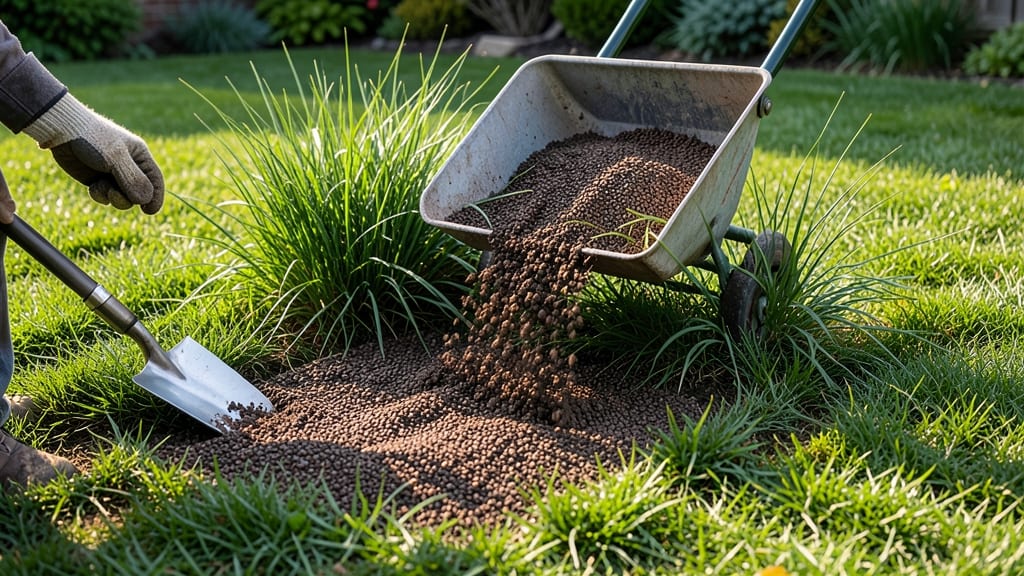
Best fall fertilization timeline for grass by climate zone
Timing your fall grass fertilization is like catching a wave—too early, and you’ll waste nutrients; too late, and your lawn won’t get the winter prep it needs. The ideal window is 4-6 weeks before your first frost, when temperatures consistently hover between 50°F and 65°F.
This gives grass time to absorb nutrients before dormancy kicks in.
But here’s the catch: your USDA hardiness zone changes everything. Southern lawns (Zones 7-10) can fertilize later, while Northern lawns (Zones 3-6) need to act sooner. Let’s break it down by region so you don’t guess—and don’t overdo it.
🌱 Fall Fertilization by Climate Zone
| Zone | Ideal Fertilization Window | Key Temperature Range | Grass Types |
|---|---|---|---|
| 3-5 (Cold Climates) | Late August to mid-September | 50°F–60°F | Cool-season grasses (Kentucky bluegrass, fescue) |
| 6-7 (Temperate) | Mid-September to early October | 55°F–65°F | Cool-season + warm-season transition (Bermuda, Zoysia) |
| 8-10 (Warm Climates) | October to early November | 60°F–70°F | Warm-season (St. Augustine, Centipede) |
If you’re in Zones 3-5, aim for early September—this gives cool-season grasses like Kentucky bluegrass and tall fescue time to strengthen roots before ground freezes. In Zones 6-7, wait until mid-September to avoid encouraging late-season growth that won’t harden off before winter.
For Southern lawns (Zones 8-10), fertilize in October to target warm-season grasses like St. Augustine or Zoysia. These grasses stay active longer, so a late application helps them transition smoothly into cooler months without stress.
Pro tip: Check your local frost dates (many extension offices provide these). If your first frost is October 15th, fertilize by September 1st to give roots 6 weeks to absorb nutrients. Miss this window, and you’ll risk winter burn or weak spring recovery.
One more thing: avoid fertilizing within 30 days of frost. Grass won’t metabolize nutrients in cold soil, and excess fertilizer can leach into groundwater or cause winterkill. Timing isn’t just about the calendar—it’s about the soil temperature and your grass’s growth stage.
Need a quick rule of thumb? If your lawn is still green and growing in early fall, it’s ready for fertilizer. If it’s already turning brown, hold off until next spring. Your grass will thank you with a lush, resilient comeback in spring.
Best fall fertilization timeline for grass by climate zone
Fall fertilization gives your grass a competitive edge, but the perfect timing depends on where you live. In Northern climates (USDA Zones 3-5), aim for early September—when daytime temps hover around 60-70°F.
This window lets grass absorb nutrients before winter dormancy sets in. Southern regions (Zones 7-10) can wait until late October, as milder winters delay dormancy.
Why does this matter? Grass needs 4-6 weeks of warm soil to convert fertilizer into deeper roots. Apply too early, and nutrients get wasted; too late, and your lawn won’t strengthen before frost. Think of it like prepping for a marathon—you wouldn’t train too soon or too late!
The ideal temperature range for fall fertilization is 50-65°F during the day. This ensures active root growth without stressing the grass. Use a soil thermometer to check—if temps drop below 50°F at night, wait a week or two.
🌱 Fall Fertilization by Climate Zone
| Zone | Best Time | Key Temp Range | Grass Types |
|---|---|---|---|
| 3-5 (Cold) | Early September | 50-65°F | Kentucky Bluegrass, Fescue |
| 6-8 (Moderate) | Mid-September | 60-75°F | Tall Fescue, Ryegrass |
| 9-10 (Warm) | Late October | 65-80°F | Bermuda, Zoysia |
✅ Pro Tip: Water deeply after fertilizing to activate nutrients and prevent burn.
For cool-season grasses like Kentucky bluegrass, timing is critical—they need 6-8 weeks of growth before dormancy. Warm-season grasses (like Bermuda) can handle later applications but still benefit from 4 weeks of warm soil before frost.
Don’t forget to test your soil first! A simple pH test (ideal range: 6.0-7.0) ensures your fertilizer works efficiently. If your soil is acidic, adjust with lime before applying fall fertilizer to avoid nutrient lockout.
After fertilizing, reduce mowing height slightly (by 1/4 inch) to protect new root growth. Avoid heavy foot traffic for 24-48 hours to let nutrients soak in. Your lawn will thank you with deeper roots and greener spring growth!