
How To
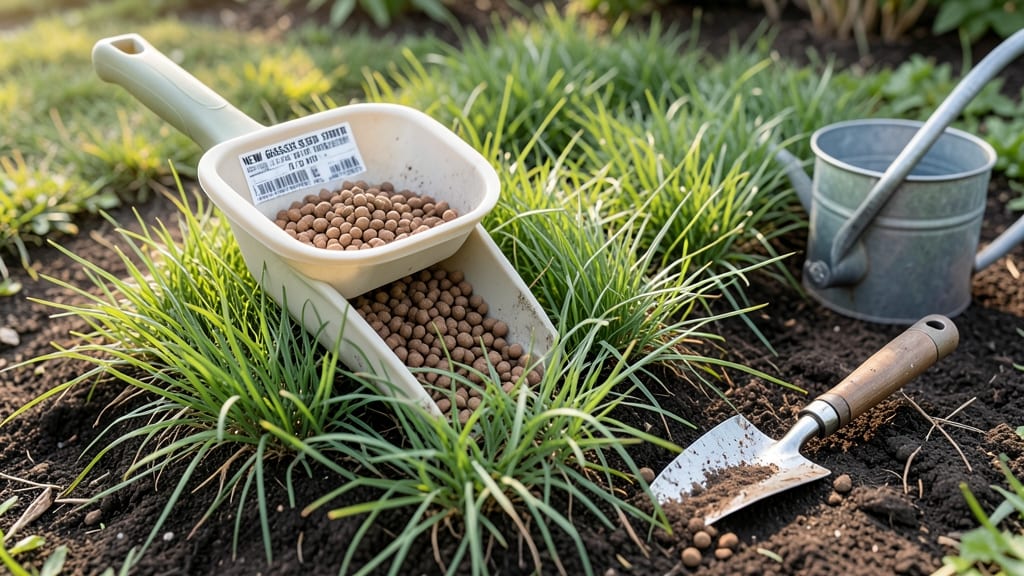
The ideal time frame for first fertilization after grass seed germination
Timing your first fertilization is critical for grass seedlings—waiting too long delays growth, while feeding too early can burn delicate roots. Research shows the optimal window begins 4-6 weeks after germination, when seedlings have developed a strong root system but haven't yet reached maturity.
This balance ensures nutrients support growth without overwhelming young plants.
Soil temperature plays a key role in this timeline. For most grass types, wait until soil reaches 60°F (15°C)—this warmth signals active root development.
Cool-season grasses like Kentucky bluegrass or fescue may tolerate slightly cooler soils (50-55°F/10-13°C), while warm-season grasses like Bermuda or Zoysia need warmer conditions (65-75°F/18-24°C) before fertilization.
Here’s why the 4-6 week rule matters: Seedlings focus their energy on root establishment during the first 3 weeks. Fertilizing earlier provides excess nitrogen that encourages top growth at the expense of roots—making them vulnerable to drought or disease.
Think of it like a foundation: strong roots first, then growth.
| Stage | Action | Soil Temp | Fertilizer |
|---|---|---|---|
| Germination (0-3 weeks) | Water daily; no fertilizer | 50-75°F (10-24°C) | None |
| Root Development (3-4 weeks) | Reduce watering slightly; test soil | 60-70°F (15-21°C) | None |
| Active Growth (4-6 weeks) | Apply starter fertilizer | 60°F+ (15°C+) | 10-0-10 or organic |
| Establishment (6+ weeks) | Light feed every 4-6 weeks | 65°F+ (18°C+) | 16-4-8 or compost |
Seasonal timing also shifts based on your climate zone. In USDA Zone 5-6, aim for late April to early May for spring plantings—when daytime highs consistently reach 65°F (18°C).
For fall plantings (Zones 7-9), fertilize in September to allow roots to strengthen before winter dormancy. Pro tip: Use a soil thermometer to track temperature trends—this avoids guesswork.
One common mistake is fertilizing after mowing too early. Wait until seedlings are 3-4 inches tall before your first mow—this ensures the root-to-shoot ratio is balanced. If you fertilize before this stage, you risk nutrient burn, where salts in fertilizer draw moisture from roots, causing yellowing or wilting.
Always water lightly after applying fertilizer to help nutrients penetrate soil evenly.
For organic gardeners, compost tea or fish emulsion can replace synthetic fertilizers at this stage. These options provide gentle nutrients and improve soil structure, but still require the same 4-6 week wait.
The key difference? Organic fertilizers release nutrients slowly, reducing burn risk while supporting microbial activity in the soil.
If you’re in a dry climate, adjust your timing slightly. Grass seedlings in arid regions (like Arizona or California) may need an extra 1-2 weeks before fertilizing—wait until soil moisture is consistent at 4-6 inches deep.
Overwatering after fertilization can leach nutrients away, wasting your effort. A simple stick test (poke a dowel into the soil) helps gauge moisture levels.
Remember: Patience pays off. Rushing fertilization can set back your lawn by weeks or months. Focus on consistent watering, weed control, and soil contact during the first month.
Once your seedlings hit the 4-6 week mark with 2-3 inch blades and white roots when pulled gently, they’re ready for their first nutrient boost.
For a visual cue, look for uniform green color across the lawn—this indicates healthy chlorophyll production and active photosynthesis. If you spot pale or yellowing patches, hold off on fertilizing and check for nutrient deficiencies or disease instead.
Your seedlings will thank you with thicker, greener growth in just a few weeks.
The ideal time frame for first fertilization after grass seed germination
Grass seedlings need patience before their first feeding—rushing fertilization can burn tender roots still developing beneath the soil. The ideal window for first fertilization is 4-6 weeks after germination, when seedlings reach 2-3 inches tall with a sturdy root system.
This timing aligns with soil temperatures above 55°F, ensuring nutrients are absorbed efficiently rather than wasted.
Early fertilization risks nutrient burn and stunted growth because seedlings lack the root density to process fertilizers. Think of it like feeding a baby solid food too soon—digestion struggles lead to waste. Instead, focus on consistent watering and light mulching to protect young roots while they establish.
🌱
| Stage | Action | Soil Temp | Notes |
|---|---|---|---|
| Germination (0-3 weeks) | None | 45-55°F | Focus on moisture, not nutrients |
| Establishment (3-6 weeks) | Light starter fertilizer | 55-65°F | Use 10-0-10 ratio, 1/4 cup per 100 sqft |
| Active Growth (6+ weeks) | Full fertilizer | 65°F+ | Switch to 16-4-8 for nitrogen boost |
Seasonal timing matters just as much as seedling age. In spring plantings, aim for fertilization 6-8 weeks after germination (typically May-June), while fall plantings should skip fertilization entirely—grass prioritizes root growth over top growth as winter approaches.
Always check soil temperature with a soil thermometer; cool soils delay nutrient absorption.
For cool-season grasses like Kentucky bluegrass, first fertilization can happen as early as 4 weeks post-germination if soil warms quickly, but warm-season grasses like Bermuda grass need to wait until 6-8 weeks to avoid stress. Adjust based on your grass type and local climate—patience pays off in a denser lawn.
🌿
Pro tip: If your seedlings show yellowing leaves or slow growth after 6 weeks, they may need a light nitrogen boost—but never exceed 1/4 cup per 100 sqft.
Over-fertilizing at this stage is like giving a toddler too much candy; the crash comes later. Stick to the 4-6 week rule and watch your lawn develop a strong foundation.