
How To
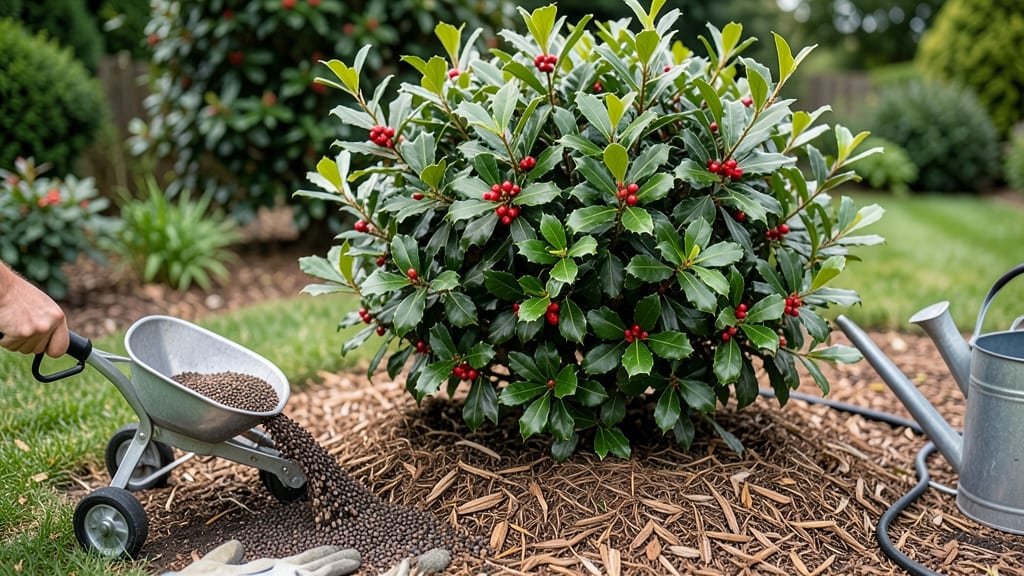
Knowing when to fertilize holly bushes can transform your yard from a patchy mess to a lush, evergreen masterpiece—without guessing or overdoing it. These shrubs thrive on consistency, but timing matters just as much as the fertilizer itself.
Whether you're dealing with yellowing leaves or stunted growth, getting the schedule right ensures your 🌿 holly bush stays vibrant year after year.
Most gardeners make the mistake of fertilizing at random times, which can stress the plant or even burn its roots. The best times to feed your holly bushes are early spring and late fall—just as new growth begins and before winter dormancy sets in.
This two-step approach aligns perfectly with the plant’s natural growth cycle, giving it the nutrients it needs when it needs them most.
But how do you know if your holly bush actually needs fertilizer? Look for signs like sparse berries, weak stems, or leaves that look pale or curled. These are clear indicators that your plant is hungry for nutrients.
I’ll walk you through the easiest ways to diagnose these issues and choose the right fertilizer for your holly’s specific needs—whether you prefer organic options or synthetic blends.
Ready to give your holly bushes the care they deserve? By mastering the timing and type of fertilizer, you’ll see stronger growth, brighter foliage, and a healthier shrub that stands out in your landscape. Let’s dive into the simple steps to keep your holly bushes thriving all season long.

Best seasons to fertilize holly bushes for optimal growth
Timing is everything when it comes to fertilizing your holly bushes. Unlike annuals that need frequent feeding, holly thrives with strategic fertilization tied to its natural growth cycles. The best times to fertilize are early spring and late summer, with a light touch in fall for winter prep.
These windows align with when holly bushes are actively growing or recovering from dormancy.
In early spring, holly bushes wake up from dormancy and need nutrients to fuel new growth. This is your chance to give them a balanced fertilizer (like 10-10-10) to support leaf and branch development.
For evergreen varieties, this timing also helps maintain their vibrant color year-round. Skipping this step can leave your holly looking pale or sparse.
By late summer, holly bushes are gearing up for their final growth push before winter. A second feeding now ensures they store enough nutrients to survive the cold months.
Think of it as a growth insurance policy—especially important in USDA Zone 6a or colder climates where winters can be harsh. Avoid fertilizing in winter, as holly bushes are dormant and won’t benefit.
For deciduous holly varieties, like those that lose leaves in fall, timing matters even more. Fertilize in early spring to encourage leaf regrowth and in late summer to strengthen roots before leaf drop.
Flowering hollies also respond well to this schedule, producing more showy berries when fed at the right times.
If you’re wondering whether to fertilize in fall, the answer depends on your climate. In milder zones (like Zone 7+), a light feeding in late fall can help holly bushes recover from summer stress.
But in colder zones, skip it—holly bushes need time to harden off before winter. Always choose a slow-release fertilizer in fall to avoid encouraging late-season growth that could be damaged by frost.
For newly planted holly bushes, hold off on fertilization for the first 6-12 months. Their roots are still establishing, and too much fertilizer can burn them. Instead, focus on well-draining soil and consistent watering.
Once established, follow the seasonal schedule above, and you’ll see thicker foliage and more berries in just one growing season.
Pro tip: Pair fertilization with a 2-inch layer of mulch to lock in moisture and nutrients. This is especially helpful in hot summers when soil dries out quickly.
Just keep mulch 3 inches away from the trunk to prevent rot. Your holly bushes will thank you with year-round color and fewer pests!
Remember, holly bushes are slow growers compared to other shrubs. Over-fertilizing can lead to excessive leafy growth at the expense of berries or compact, weak stems. Stick to the seasonal schedule, and your holly will reward you with healthy, vibrant growth for decades.
🌿
Best seasons to fertilize holly bushes for optimal growth
Holly bushes thrive when fertilized at the right times, and understanding these windows is key to their long-term health. Early spring is your first opportunity—just as new growth begins—to give your holly bushes the nutrients they need to burst into vibrant foliage.
This timing aligns perfectly with their natural growth cycle, ensuring energy isn’t wasted on dormant roots.
For evergreen varieties, like English holly, focus on light fertilization in early spring and late summer to support steady growth without overwhelming the plant. Deciduous hollies, such as winterberry, may benefit from a second feeding in early fall to strengthen roots before winter dormancy.
🌱
| Season | Best Time | Purpose | Fertilizer Type |
|---|---|---|---|
| Early Spring | March-April | Encourages new growth | Balanced (10-10-10) |
| Late Summer | August-September | Boosts root strength | Slow-release granules |
| Fall | October-November | Prepares for dormancy | Organic compost |
Avoid fertilizing in winter months—this is when holly bushes rest, and excess nutrients can harm roots. Instead, focus on mulching around the base to protect them from freezing temperatures. If you notice yellowing leaves or sparse berries in late winter, hold off on fertilizing until early spring.
For newly planted hollies, wait 6-8 weeks before applying fertilizer to allow roots to establish. Once established, a balanced fertilizer every 6-8 weeks during the growing season keeps them thriving. Always water thoroughly after applying fertilizer to help nutrients reach the roots.
🌿
If you live in a warmer climate (USDA Zones 8-10), you might extend fertilization into early fall to support year-round growth. However, always monitor your holly’s response—over-fertilizing can lead to leaf burn or excessive growth that weakens the plant. When in doubt, less is more!
🪴