
How To
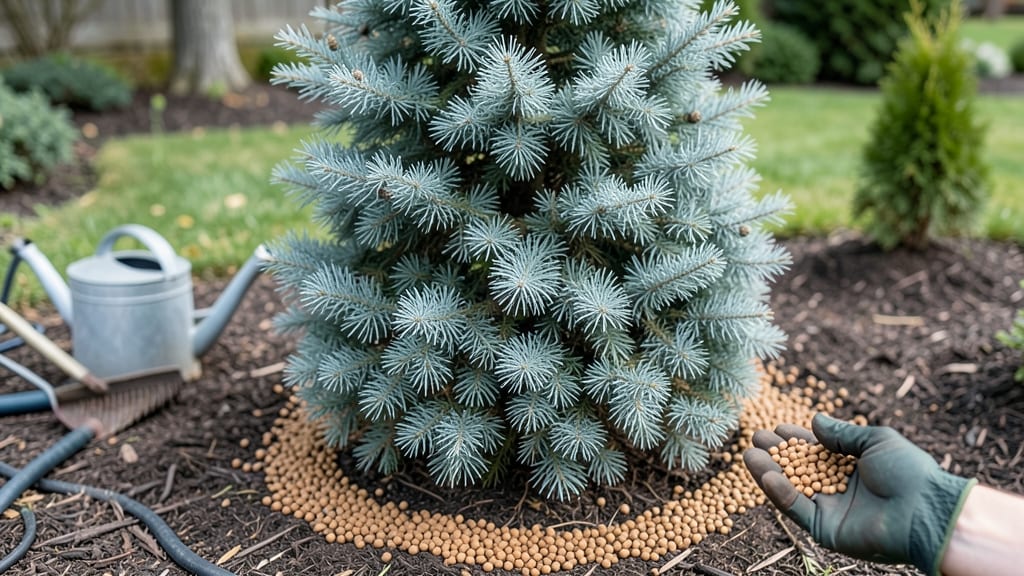
Knowing when to fertilize junipers can transform your evergreen game—from sparse, struggling branches to thick, vibrant 🌲 growth that stands out in your landscape. These hardy plants don’t ask for much, but timing matters more than you’d think, especially in USDA Zone 6a where seasons shift dramatically.
Most gardeners make the mistake of fertilizing at the wrong time, thinking "more is better." But junipers actually prefer a light touch—just enough to fuel growth without stressing their roots. The key is feeding them twice a year, when they’re naturally primed to soak up nutrients.
In this guide, I’ll break down the exact spring and fall schedule that keeps junipers thriving, plus how to spot nutrient deficiencies before they become problems. Whether you’re dealing with creeping varieties or towering shrubs, you’ll learn how to fertilize like a pro—without overdoing it.
Ready to give your junipers the care they deserve? Let’s dive into the simple, science-backed routine that’ll have your evergreens looking their best year-round.

Best times to fertilize junipers: spring vs fall schedule breakdown
Junipers are low-maintenance evergreens, but they still need nutrients to thrive. The best times to fertilize junipers are during their active growing seasons—early spring and late summer. This timing aligns with their natural growth cycles, ensuring they absorb nutrients efficiently without stress.
Fertilizing at the wrong time, like mid-summer or winter, can actually harm your plants by promoting weak growth or burn.
In USDA Zone 6a (like much of the Midwest and Northeast), I recommend fertilizing junipers in April-May and September. These months provide the perfect balance of warm soil and moderate temperatures, ideal for root uptake.
If you live in warmer climates (Zones 7-10), you can extend fertilization to late spring and early fall to avoid summer heat stress.
Here’s why spring and fall fertilization works best for junipers:
| Season | Why Fertilize? | Best Months | Avoid Fertilizing |
|---|---|---|---|
| Spring | Stimulates new growth after winter dormancy; replenishes nutrients lost over winter. | April-May | Late spring (June+) due to heat stress risk. |
| Summer | Junipers slow growth in extreme heat; fertilization can cause nutrient burn. | None (unless light feeding in early summer for young plants). | June-August (high-risk period). |
| Fall | Prepares junipers for winter dormancy with stored nutrients; ideal for late-season growth. | September (before first frost). | October+ (plants enter dormancy). |
| Winter | Junipers are dormant; fertilization is wasted and can harm roots. | None | November-March (avoid entirely). |
For young junipers (under 3 years old), I recommend a light fertilizer application in early spring (March-April) to support root development. Mature junipers (3+ years) can handle a slightly stronger feed in spring and a light touch in fall.
Always use a balanced, slow-release fertilizer (like 5-10-10) to avoid overloading their system.
If you notice yellowing needles or stunted growth, it might signal a nutrient deficiency—but don’t fertilize immediately. First, check for overwatering or poor drainage, which can mimic deficiency symptoms. Once you’ve ruled out other issues, a targeted spring feed can help revive your juniper’s health.
Regional adjustments matter! In warmer climates (Zones 8-10), junipers may benefit from a third light feeding in early fall (August-September) to extend their growing season. In colder climates (Zones 3-5), stick to one spring feeding and skip fall entirely to avoid encouraging late-season growth before frost.
Pro tip: Always water your juniper thoroughly 24 hours before and after fertilizing. This helps prevent root burn and ensures nutrients reach the soil where roots can absorb them. Apply fertilizer in the early morning to avoid evening moisture, which can promote fungal issues.
Remember, junipers are drought-tolerant and often don’t need frequent fertilization. Overdoing it can lead to salt buildup in the soil, which harms their delicate root systems. When in doubt, less is more—your junipers will thank you with vibrant, healthy foliage year after year.
Best times to fertilize junipers: spring vs fall schedule breakdown
Junipers are low-maintenance evergreens, but they still need nutrients to thrive. The key to healthy growth lies in timing your fertilization—specifically, focusing on spring and early fall.
These are the two best windows because junipers grow most actively during these periods, allowing them to absorb nutrients efficiently without stress.
Fertilizing at the wrong time, like mid-summer or winter, can burn roots or waste nutrients. Junipers are dormant in winter and heat-stressed in summer, making these seasons poor choices for feeding. Instead, align your schedule with their natural growth cycles for the best results.
🌲 Seasonal Fertilization Schedule for Junipers
| Season | Best Time to Fertilize | Why? | Climate Adjustments |
|---|---|---|---|
| Spring (April-May) | Early spring, after new growth | Supports root and shoot growth | Warmer climates: March; colder zones: May |
| Summer (June-August) | Avoid fertilizing (except early June) | Prevents heat stress and root burn | Drought-prone areas: Skip entirely |
| Fall (September-October) | Early fall, before dormancy | Strengthens roots for winter | Northern climates: September; Southern: October |
| Winter (November-March) | Skip fertilization entirely | Junipers are dormant; no nutrient uptake | All regions: Avoid winter feeding |
For young junipers (under 3 years old), a light spring feeding is sufficient. Mature junipers can handle a second light feeding in early fall to bolster winter resilience. Always use a slow-release or balanced fertilizer (like 5-10-10 NPK) to avoid overloading their system.
If you live in a warm climate (USDA Zones 8-10), junipers may stay active later into fall. In this case, fertilize in late summer (August) instead of spring. Conversely, in cold climates (Zones 3-6), wait until late May to fertilize, as early spring can still bring frost.
Pro tip: Water your junipers thoroughly 24 hours before and after fertilizing. This helps nutrients penetrate the soil and prevents root burn. Always apply fertilizer in the early morning to avoid evening moisture, which can promote fungal growth.
By following this seasonal schedule, your junipers will grow vibrant and healthy, with minimal risk of nutrient stress or over-fertilization. Consistency is key—stick to these timelines, and you’ll see the difference in just one growing season! 🌿