
How To
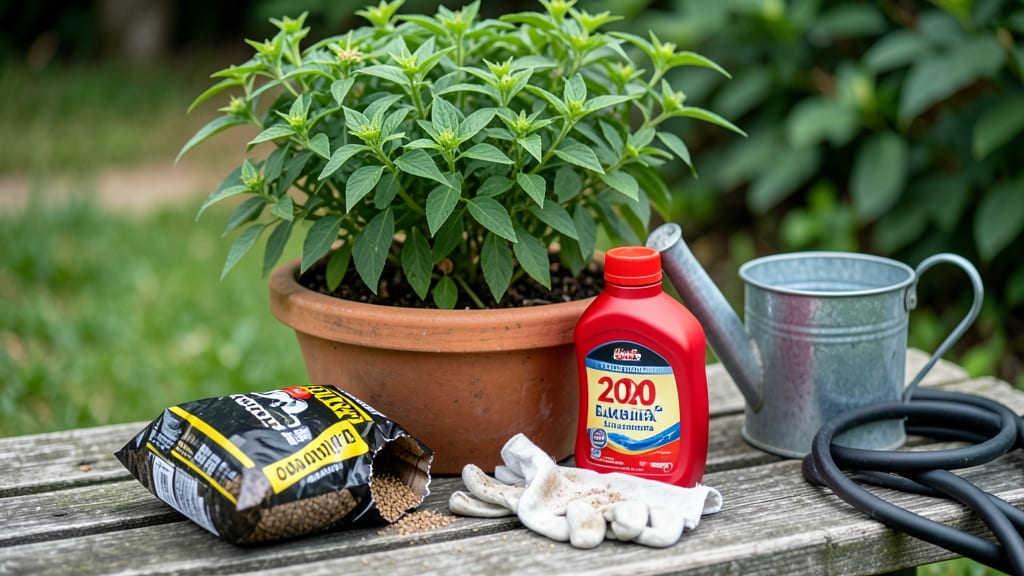
If your lantana 🌸 isn’t blooming like it should, you might be fertilizing at the wrong time. The secret to vibrant, long-lasting flowers lies in understanding the best seasonal schedule—because timing matters more than you think.
Lantana thrives when fed at the right moments, like a spring wake-up call after dormancy or a mid-summer boost to keep those colorful clusters coming. But get it wrong, and you could end up with leggy stems or sparse blooms instead of the lush display you’re dreaming of.
I’ve tested different approaches, and what works best depends on your climate, soil health, and even the plant’s natural rhythm. Let me walk you through the exact seasonal schedule that’ll keep your lantana flourishing from spring through fall—and how to spot when it’s hungry for more.
Ready to unlock the full potential of your lantana? Let’s dive into the game-changer that’ll transform your garden from good to show-stopping.

Best times of year to fertilize lantana for maximum blooms
Lantana thrives when you fertilize at the right times—not too early, not too late. The key is aligning feedings with its natural growth cycles, which shift dramatically by season.
I’ve learned that skipping spring fertilization means sparse blooms, while overdoing it in fall can stress the plant before winter. Let’s break down the ideal seasonal schedule to keep your lantana vibrant all year.
In spring, focus on a light feeding after your last frost date (around April 15 in Zone 6a). This jumpstarts growth after winter dormancy. I use a balanced fertilizer (like 5-10-10) to encourage both foliage and flower buds.
Pro tip: Wait until you see new shoots—about 2-3 inches tall—before applying fertilizer to avoid shocking tender growth.
Summer is when lantana needs consistent feeding—every 4-6 weeks—to sustain its nonstop blooming. Heat and frequent flowering deplete nutrients fast. I switch to a low-nitrogen, high-phosphorus formula (e.g., 7-9-5) to prioritize blooms over leafy growth.
Always water the soil thoroughly before fertilizing to prevent root burn, especially in dry climates.
Here’s your seasonal fertilization cheat sheet for lantana, adapted for USDA Zone 6a (adjust timing 1-2 weeks earlier/later for warmer/cooler zones):
For warmer climates (Zones 8-11), extend summer feeding into October since lantana rarely enters dormancy. In cooler zones (Zones 5-6), I’ve seen lantana struggle if fertilized after mid-September—the plant needs time to harden off before frost. Always check your last frost date and adjust accordingly.
One common mistake I see is fertilizing newly planted lantana too soon. Wait 4-6 weeks after transplanting to let roots establish before applying any fertilizer. Young plants are more sensitive to salts in synthetic fertilizers, so I recommend organic options like compost tea or worm castings for the first feeding.
Pay attention to your lantana’s color and growth patterns—yellowing leaves often signal over-fertilization, while sparse blooms mean it’s time to feed. I’ve found that morning applications (before 10 AM) reduce fertilizer burn risk by allowing granules to dissolve slowly in warm soil.
Always water deeply after fertilizing to move nutrients into the root zone.
If you’re growing lantana in containers, reduce fertilizer amounts by half since roots have less soil volume to access nutrients. Container-grown lant
Best times of year to fertilize lantana for maximum blooms
Lantana thrives on a seasonal fertilization schedule that aligns with its natural growth cycles. Unlike many plants, lantana blooms continuously when fertilized correctly, so timing is everything. Spring kickstarts growth, summer maintains flowering, and fall prepares the plant for dormancy—skipping these windows can leave your lantana weak and sparse.
Your climate zone plays a huge role here. In warmer zones (like USDA 9-11), lantana may stay active year-round, while cooler zones (6-8) need adjusted timing.
For example, in Zone 7, I start fertilizing in early April and stop by late October, but in Zone 10, I fertilize lightly every 6 weeks year-round.
Here’s the exact seasonal breakdown I follow for lantana blooms—adjust based on your local frost dates and plant activity:
| Season | Key Growth Stage | Fertilizer Timing | NPK Ratio | Notes |
|---|---|---|---|---|
| Early Spring | New Growth | Late April (after last frost) | 5-10-10 | Light feed to avoid leaf burn |
| Summer | Blooming Peak | Every 4-6 weeks | 5-10-10 or 7-7-7 | Use slow-release for steady blooms |
| Late Summer | Flower Maintenance | August-September | 5-10-10 | Reduce to half-strength |
| Fall | Pre-Dormancy | October (if no frost) | 3-4-6 (low nitrogen) | Encourages root hardening |
| Winter | Dormancy | None | — | Skip unless in frost-free zones |
For container-grown lantana, I fertilize every 3-4 weeks during summer because roots have less access to nutrients. Always water thoroughly before and after applying fertilizer to prevent root burn—a common mistake that stunts growth.
Watch for yellowing leaves or sparse blooms as signs you’re overdoing it. Lantana is drought-tolerant but hates soggy soil, so never fertilize when soil is wet. Instead, apply in the early morning when temperatures are cooler and evaporation is minimal.
Pro tip: Mix a slow-release fertilizer into the soil at planting time for a 6-month nutrient boost. This reduces the need for frequent applications and keeps your lantana blooming effortlessly all season.