
Lawn
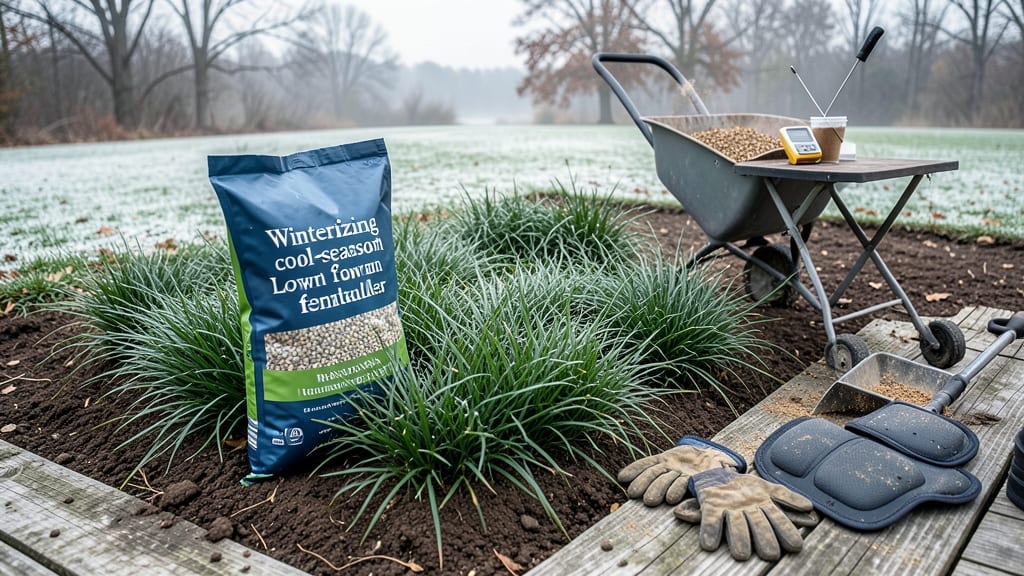
Fertilizing your lawn for winter isn’t just about giving it a quick boost—it’s about setting up your grass for a stronger, greener spring. The timing matters more than you might think, because applying fertilizer too early can encourage weak growth, while waiting too long means your lawn won’t store enough nutrients to survive dormancy.
If you’re in USDA Zone 6a (like much of the Midwest and Northeast), the sweet spot is late fall—typically between mid-October and early November. This window gives your grass time to absorb nutrients before the ground freezes, but not so late that it struggles to process the fertilizer.
Think of it as a late-season meal to help your lawn’s roots toughen up for winter.
Why does this matter? A well-timed winter feeding strengthens root systems, improves drought resistance, and reduces weeds next season. Plus, it’s one of the easiest ways to ensure your lawn bounces back faster in spring. But here’s the catch: not all fertilizers are created equal for late-season use.
I’ll walk you through the best types of fertilizer to use, how to prep your lawn beforehand (like proper mowing and soil checks), and how to adjust your timing based on your local climate.
Let’s get your grass ready for a winter it won’t forget—and a spring it’ll thank you for.

Optimal timing for winter lawn fertilization by climate zone
Fertilizing your lawn in late fall isn’t just about timing—it’s about matching your grass type and climate zone to avoid weak growth or winter damage. Cool-season grasses like Kentucky bluegrass and fescue thrive with a late-season feeding, while warm-season grasses like Bermuda or Zoysia need a different approach.
The key? Apply fertilizer 6–8 weeks before the first frost to give roots time to store nutrients.
In Northern climates (USDA Zones 3–6), aim for late September to early October. Southern regions (Zones 7–10) can fertilize later, up to November, since winters are milder. But if frost hits early, adjust your schedule—never fertilize within 30 days of freezing temps, as this stresses grass.
Regional variations matter too. For example, Pacific Northwest lawns may need an earlier feeding due to wetter, cooler falls, while Southwest lawns can wait until late October to avoid fungal risks from lingering moisture.
For cool-season grasses, focus on a high-potassium fertilizer (e.g., 10-0-20 ratio) to boost root resilience. Warm-season grasses, however, should get a light feeding in early fall (e.g., 16-4-8) to prepare for dormancy. Over-fertilizing here can lead to fungal growth or winter burn.
If your area experiences early freezes, shift your timeline earlier. For example, in Zone 5, aim for mid-September fertilization. Conversely, in Zone 8, you might fertilize as late as December if temperatures stay mild.
Always water your lawn deeply after fertilizing (1–1.5 inches) to help nutrients reach the roots. Avoid fertilizing if rain is forecasted within 24–48 hours, as runoff wastes nutrients and harms local waterways.
Finally, consider organic options like compost or bone meal for slower nutrient release. These are gentler on grass and soil microbes, reducing the risk of nutrient burnout before dormancy sets in.
By aligning your fertilization schedule with your climate zone and grass type, you’ll give your lawn the best chance to recover quickly in spring—without the stress of poor timing.
Optimal timing for winter lawn fertilization by climate zone
Your lawn’s winter survival hinges on timing—apply fertilizer too soon, and you’ll spur weak growth before dormancy. Too late, and your grass won’t store enough nutrients for spring. The ideal window is 6–8 weeks before your first frost, but this shifts dramatically by climate zone and grass type.
Cool-season grasses (like Kentucky bluegrass or fescue) need feeding earlier than warm-season types (like Bermuda or Zoysia).
In Northern states (USDA Zones 3–6), aim for mid-to-late September. Southern regions (Zones 7–10) can fertilize as late as mid-November—just avoid applying when temps dip below 50°F (10°C).
Early freezes? Move up your schedule by 2–4 weeks. Mild winters? Delay until October to prevent winter burn.
| Zone | Grass Type | Best Fertilization Window | Key Adjustment |
|---|---|---|---|
| 3–6 (North) | Cool-season (Fescue, Bluegrass) | Mid-Sept to early Oct | Avoid after first frost |
| 7–9 (South) | Warm-season (Bermuda, Zoysia) | Late Oct to Nov | Stop 4 weeks before freeze |
| 10+ (Coastal) | All types | Nov–Dec (mild winters) | Use slow-release fertilizer |
For cool-season grasses, focus on a high-potassium (K) blend (like 10-0-20) to strengthen roots. Warm-season lawns benefit from a low-nitrogen (N) formula (e.g., 5-10-15) to avoid winter burn.
Pro tip: Test your soil first—over-fertilizing in winter can lead to fungal growth or nutrient runoff. Always water thoroughly after applying to help nutrients penetrate the soil.
Regional microclimates matter too. If you live in a valley or near water, expect cooler temps earlier—adjust your schedule 1–2 weeks ahead. Conversely, urban areas with heat islands may delay fertilization until mid-October.
Pay attention to your lawn’s current health: thin or patchy areas need extra care, while thick, green lawns can wait until the last possible moment.
One common mistake? Using spring fertilizer in winter. These blends are high in nitrogen (N), which promotes top growth—exactly what you don’t want before dormancy. Opt for a winter-specific formula with low N and high K to prioritize root development.
If you’re unsure, check the label for terms like "winterizer" or "dormant-season."
Finally, pair fertilization with light aeration (if soil is compacted) and a thin layer of mulch to lock in moisture. This combo ensures your lawn wakes up stronger in spring—not struggling to recover. Timing isn’t just about the calendar; it’s about reading your lawn’s signals. 🌱