
Lawn
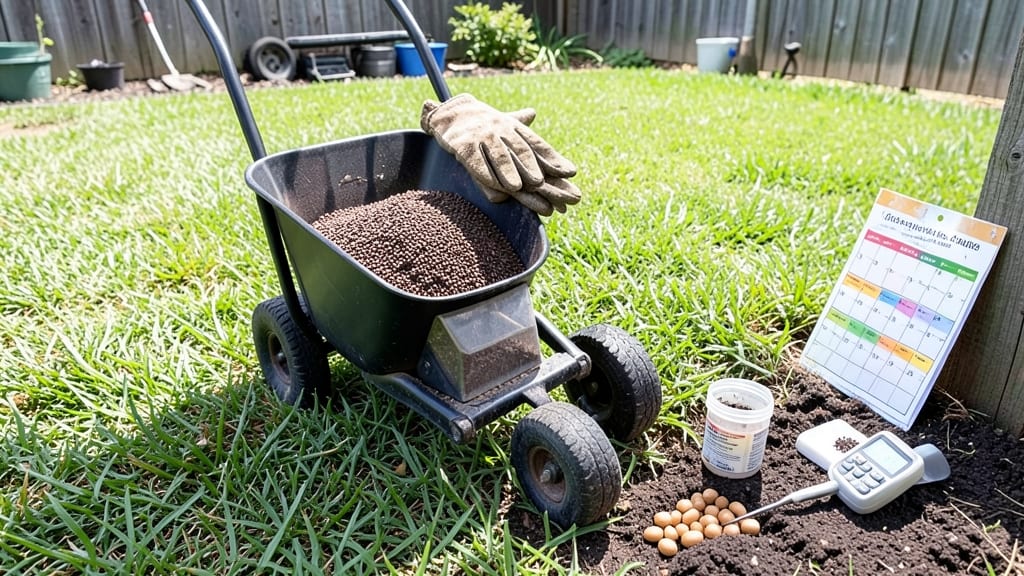
If you’ve ever spread fertilizer on your Georgia lawn only to watch it struggle through the summer heat, you’re not alone. The key to that lush, green 🌱 you’ve always wanted lies in timing—specifically, knowing when to fertilize for Georgia’s unique climate.
Georgia’s hot summers and humid winters create a tricky balance for lawn care. Too early, and your fertilizer gets wasted; too late, and your grass misses its growth window.
I’ve tested the best schedules over the years, and the difference between a thicker lawn and one that barely survives is often just a few weeks of proper timing.
You don’t need a degree in horticulture to get this right. With the right approach—like feeding in early spring and late fall—you can skip the guesswork and give your lawn the nutrients it craves.
Let’s break down the exact schedule that works for Georgia’s Bermuda, Zoysia, and Fescue grasses, so you can finally stop second-guessing your lawn care routine.
Whether you’re in North Georgia’s cooler hills or South Georgia’s sweltering heat, these tips will help you fertilize at the perfect moments. Ready to transform your lawn into the envy of the neighborhood? Let’s get started.

Georgia’s ideal fertilization timeline: spring vs fall for best results
Georgia’s climate creates a perfect window for lawn fertilization—just two key seasons where timing makes all the difference. The spring feeding jumpstarts growth after winter dormancy, while fall fertilization strengthens roots before cold weather. Missing these windows means weaker grass that struggles with Georgia’s heat and humidity.
For cool-season grasses like tall fescue and ryegrass, the ideal spring window is March to early April, when soil temps hit 55-60°F. Warm-season grasses like Bermuda and Zoysia need their first feeding in late April to May after surviving winter dormancy.
Fall fertilization is equally critical—September to October—when grass recovers from summer stress. This root-strengthening phase ensures your lawn stays green through Georgia’s mild winters and recovers faster in spring. Skipping fall feeding leaves grass vulnerable to drought and pests during winter.
Here’s the month-by-month breakdown of when to fertilize based on Georgia’s climate zones:
| Season | Month | Grass Type | Soil Temp | Fertilizer Action |
|---|---|---|---|---|
| Spring | March-April | Cool-season (Fescue, Ryegrass) | 55-60°F | FEED (high nitrogen) |
| Spring | April-May | Warm-season (Bermuda, Zoysia) | 65-70°F | FEED (slow-release) |
| Summer | June-July | All types | 80-90°F | LIGHT FEED (if drought stress) |
| Fall | September-October | Cool-season | 60-65°F | FEED (root growth) |
| Fall | Late October | Warm-season | 50-55°F | SKIP (dormant) |
North Georgia’s cooler microclimates (USDA Zone 7a) can fertilize 1-2 weeks earlier than South Georgia’s Zone 8a-9a. Always check soil temperature with a soil thermometer—cool-season grasses need soil temps above 55°F to absorb nutrients efficiently.
Pro tip: Divide applications into 3-4 feedings per season (every 6-8 weeks) for steady growth. For example, feed cool-season grass in March, May, September, and November. This balanced approach prevents fertilizer burn and matches Georgia’s variable rainfall patterns.
If you’re establishing a new lawn, delay fertilization until 4-6 weeks after seeding to avoid seedling stress. For sod lawns, wait 2-3 weeks before the first feeding. Both methods ensure roots establish before heavy nutrient demand.
Georgia’s humid summers make evening fertilization risky—heat and moisture can cause fertilizer burn. Always apply early morning when temps are below 80°F and water deeply afterward to help nutrients penetrate the soil.
For organic lawn care, switch to compost or manure tea in fall instead of synthetic fertilizers. These slow-release options improve soil structure while feeding grass gradually—perfect for Georgia’s clay-heavy soils that need extra organic matter.
🌱
How Georgia’s climate affects fertilizer types and application rates
Georgia’s humid subtropical climate means your lawn’s fertilization needs shift dramatically between seasons. The wrong fertilizer or timing can lead to burned grass or wasted money. Let’s break down what works best for Georgia’s heat, humidity, and clay-heavy soils.
Slow-release fertilizers are your best bet in summer, while organic options like compost thrive in Georgia’s warm, moist conditions. The key is matching the fertilizer to your lawn’s growth stage and the season’s challenges.
⚖️ Fertilizer Pros & Cons for Georgia Lawns
✅ Slow-Release Fertilizers
Pros:
- Less burn risk in summer heat
- Longer nutrient release (4-8 weeks)
- Works well with clay soils
Cons: - More expensive upfront
✅ Organic Fertilizers
Pros:
- Improves soil health long-term
- Better for drought-prone areas
- Safe for kids/pets after curing
Cons: - Slower results (4-6 weeks)
- Requires more frequent applications
❌ Quick-Release Fertilizers
Pros:
- Fast green-up in spring
Cons: - High burn risk in summer
- Washes away in heavy rains
- Not ideal for clay soils
❌ Over-Fertilizing
Pros:
- None
Cons: - Burns grass in heat
- Wastes money
- Pollutes waterways
For clay-heavy soils common in Georgia, opt for fertilizers with gypsum or sulfur to improve drainage. In sandy soils (common in coastal areas), choose high-nitrogen options like 30-0-4 to prevent nutrient loss. Always water deeply after application—especially in summer—to help nutrients penetrate the soil.
Spring fertilization should focus on high-nitrogen (30-0-4) to kickstart growth, while fall applications benefit from a balanced NPK ratio (12-12-12) to strengthen roots before winter. Avoid fertilizing when temperatures exceed 85°F—this is when grass is most vulnerable to fertilizer burn.
🌱
Always test your soil before applying fertilizer. Georgia’s USDA zones 7a-9a mean soil conditions vary dramatically—from acidic pine forests to alkaline river valleys. Adjust your pH levels (6.0-7.0 ideal) before fertilizing for the best results.
💧