
Fertilization
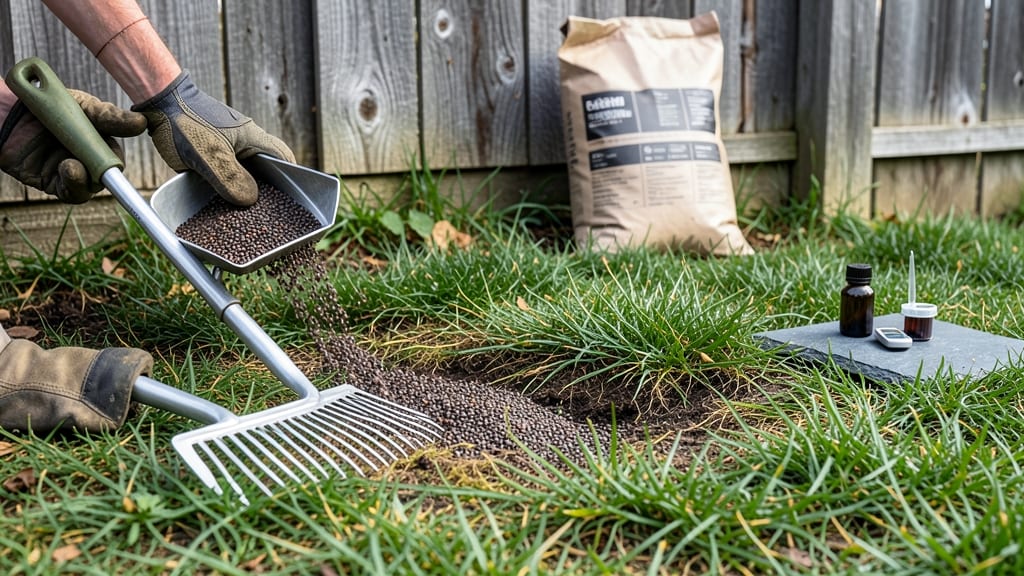
Optimal fall fertilization timeline: late September to mid-October explained
Timing your fall lawn fertilization correctly is the difference between a lawn that thrives and one that struggles through winter. The ideal window is late September to mid-October, when cool-season grasses like fescue and ryegrass are still actively growing but before the ground freezes.
This timing ensures nutrients are absorbed before dormancy, strengthening roots for winter resilience.
In northern climates (USDA Zones 3-6), aim for fertilization by mid-October—about 6-8 weeks before the first hard frost. For southern regions (Zones 7-10), where winters are milder, you can extend the window until early November.
The key is to fertilize when daytime temperatures hover around 60-70°F for optimal nutrient uptake.
Here’s why this timing matters: Cool-season grasses grow best in cooler weather, and fall fertilization provides essential nutrients like nitrogen and potassium to support root development.
Skipping this step means weaker roots, increased winter damage, and a slower spring recovery. Think of it as giving your lawn a winter survival kit.
Pro tip: If you’re unsure about your frost date, check your local agricultural extension office or use a frost date calculator.
For example, in Zone 5, the first frost typically hits around October 15, so aim for fertilization by September 20 to allow 6 weeks of growth before dormancy.
| Region | Best Fertilization Window | Key Temperature Range | Grass Types |
|---|---|---|---|
| Northern (Zones 3-6) | Late September to mid-October | 50-65°F | Tall fescue, Kentucky bluegrass, ryegrass |
| Southern (Zones 7-10) | Early October to early November | 60-75°F | Bermuda, Zoysia, St. Augustine (cool-season blends) |
| Transition Zones (6-7) | Late September to early October | 55-70°F | Tall fescue, fine fescue, Bermuda (cool-season transition) |
⚠️ Note: Adjust for early/late frosts in your area.
If you’re in a transition zone (Zones 6-7), where summers are hot and winters are mild, focus on fertilizing by late September. This gives cool-season grasses time to establish before the first frost, while warm-season grasses like Bermuda or Zoysia begin their dormancy cycle.
For these grasses, a light early fall application can still benefit root health.
One common mistake is fertilizing too early in fall—by August—which can encourage late-season growth that weakens before winter. This is why the 6-8 week rule before frost is critical.
It balances growth and preparation, ensuring your lawn enters dormancy strong. For example, if your first frost is November 1, fertilize by September 15.
For organic fertilizers, like compost or bone meal, apply them slightly earlier—by early Septemberslow-release fertilizers, however, can be applied closer to the mid-October deadline. Always water your lawn deeply after fertilizing to activate the nutrients and prevent runoff.
Remember, the goal isn’t just a green lawn in fall—it’s a lawn with deep roots that can withstand winter stress. By following this timeline, you’ll see a thicker, greener lawn next spring with minimal effort. And trust us, your neighbors will notice the difference!
Optimal fall fertilization timeline: late September to mid-October explained
Timing your fall lawn fertilization correctly is the difference between a lawn that fades into winter and one that wakes up lush in spring.
The ideal window is late September to mid-October, when temperatures drop to 60-70°F—perfect for cool-season grasses like fescue and rye to absorb nutrients before dormancy.
This timing aligns with your lawn’s natural growth cycle. Grass roots grow 60% more in fall than spring, but only if fertilized 4-6 weeks before the first frost.
In Northern climates (USDA Zones 3-5), aim for early September to avoid early freezes, while Southern regions (Zones 7+) can extend fertilization until mid-November.
Here’s the science: Fall fertilization focuses on root development, not just green-up. A slow-release fertilizer with nitrogen (N), phosphorus (P), and potassium (K) in a 10-0-20 or 20-0-5 ratio strengthens roots to withstand winter stress. Skip this step, and you risk a thin, weak lawn next spring.
| Region | Best Time | Key Factor |
|---|---|---|
| Northern (Zones 3-5) | Late August–Early September | Avoid early frost; 6 weeks before dormancy |
| Midwest (Zones 6-7) | Mid-September–Early October | Soil temps 50–60°F; active root growth |
| Southern (Zones 8+) | October–November | Milder winters; extend growth season |
Pro tip: Check your last frost date (find it via the USDA Plant Hardiness Zone Map) and fertilize 6-8 weeks before it hits. For example, if frost arrives November 15, fertilize by September 20. This ensures nutrients are absorbed but don’t promote late-season growth that freezes.
After fertilizing, water deeply to activate the fertilizer—1 inch of water within 24 hours helps nutrients reach roots. Avoid fertilizing if rain is forecasted; runoff wastes product and harms local waterways. For organic options, apply compost or a fish emulsion in early fall to build soil health gradually.
Remember: Fall fertilization isn’t about instant results. It’s an investment in next year’s lawn. Grass that stores nutrients and energy over winter bounces back faster in spring, outcompeting weeds and filling in bare spots naturally. Skimp now, and you’ll pay for it in spring repair costs.