
How To
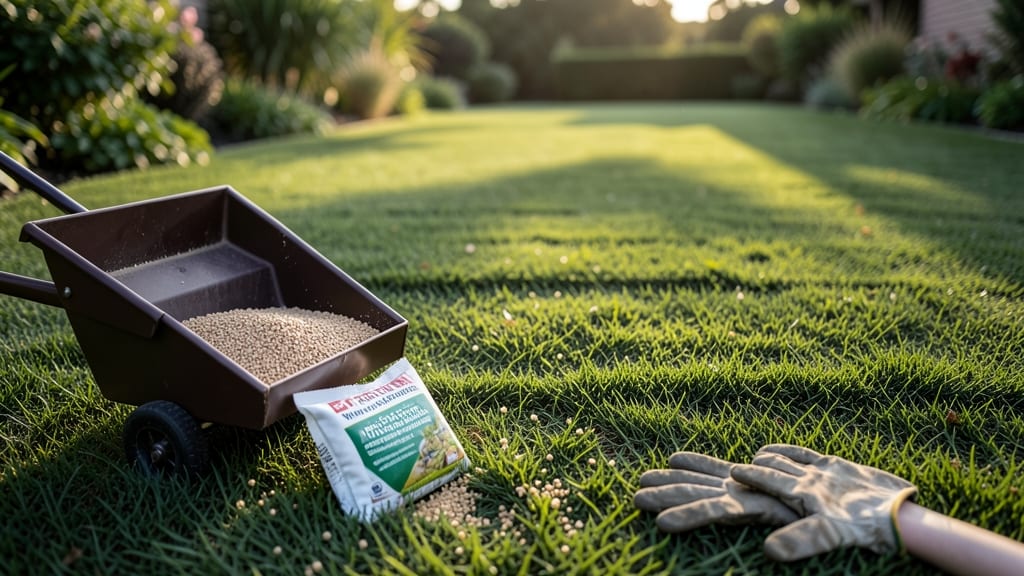
Optimal zoysia sod fertilization schedule by season: spring & fall timing explained
Zoysia grass thrives when fertilized at the right times, not just any time. Unlike cool-season grasses, zoysia grows best in warm weather, so timing your feedings around its active growth periods is critical.
Fertilizing at the wrong time can lead to burned grass or wasted fertilizer—both costly mistakes for your lawn.
Most lawn care experts agree that spring and fall are the two most important windows for fertilizing zoysia sod. However, the exact timing depends on your local climate and soil temperatures.
In warmer regions (USDA Zones 8-10), you might shift your schedule slightly earlier, while cooler zones (6-7) may need to delay until soil warms.
Here’s the golden rule: Fertilize zoysia when soil temperatures are consistently above 65°F (18°C) for at least a week. This ensures the grass can absorb nutrients efficiently without stress. Below this threshold, the roots slow down, making fertilization ineffective—or even harmful.
Let’s break down the seasonal schedule for zoysia sod, including soil temperature cues and regional adjustments to keep your lawn lush year-round.
| Season | Soil Temp Threshold | Fertilizer Type | Best Time to Apply | Notes |
|---|---|---|---|---|
| Early Spring | 50-60°F (10-15°C) | Light nitrogen (10-0-10) | Late April - Early May | Stimulate early growth; avoid heavy feeds. |
| Late Spring | 65°F+ (18°C+) | High nitrogen (16-4-8) | May - June | Peak growth phase; use slow-release. |
| Summer | 75°F+ (24°C+) | Balanced (13-0-4) | July (if needed) | Only if grass shows signs of stress. |
| Fall | 55-65°F (13-18°C) | None (skip) | N/A | Avoid fall feeds to prevent winter damage. |
| Winter | Below 50°F (10°C) | None | N/A | Grass is dormant; no fertilization needed. |
For northern climates (USDA Zones 6-7), aim to fertilize zoysia in late May to early June when soil temperatures consistently hit 65°F (18°C). In southern regions (Zones 8-10), you can start as early as April, but always wait for soil to warm.
Pro tip: Use a soil thermometer to monitor temperatures. Stick it 2 inches deep in the soil—this is where zoysia roots actively grow. If temps are still cool, hold off on fertilizing to avoid nutrient burn.
One common mistake is fertilizing zoysia in fall. Unlike cool-season grasses like fescue, zoysia goes dormant in winter, and feeding it then can weaken roots and invite disease or winter kill. Save your fertilizer budget for spring and early summer instead.
If you’re in a transition zone (like Zone 7), you might get away with a light fall feeding in early October, but this is risky. Stick to the spring-only rule for best results, especially if your winters are harsh.
Remember, zoysia is a warm-season grass, so it prioritizes growth when temperatures rise. By aligning your fertilization with its natural cycle, you’ll see thicker, greener grass with minimal effort—and fewer brown patches to explain to neighbors.
Need a quick reference? Bookmark this schedule: Feed in spring (May-June), skip fall. Your zoysia will thank you with a dense, drought-resistant lawn all season long. 🌱
Optimal zoysia sod fertilization schedule by season: spring & fall timing explained
Timing your zoysia sod fertilization correctly is the difference between a vibrant lawn and one that struggles to recover. Unlike cool-season grasses, zoysia thrives in warm weather, so its fertilization schedule should align with its growth cycles—not the calendar.
The two most critical windows are early spring and late summer, but climate and soil temperature play a huge role in fine-tuning when to apply.
For most regions, the best time to fertilize zoysia is when soil temperatures hit 65°F (18°C)—this signals the grass is waking up from dormancy and ready to absorb nutrients. In cooler climates (USDA Zones 5-7), aim for April to early May for your first feed.
Warmer zones (8-10) can start as early as March, but always check soil temps with a thermometer to avoid shocking the grass.
🌱 Zoysia Fertilization Timeline
| Season | Soil Temp | Fertilizer Type | Application Time |
|---|---|---|---|
| Early Spring | 65°F+ (18°C+) | Slow-release (16-4-8) | April–May |
| Late Summer | 75°F+ (24°C+) | High-nitrogen (13-0-4) | July–August |
| Fall/Winter | Below 60°F (15°C) | None | Skip |
Fall fertilization is a common mistake—zoysia goes dormant as temps drop, and feeding it then can lead to winterkill or weak growth in spring. Instead, focus on late summer (July–August) for a second application.
This boosts root development before cooler weather sets in. Use a high-nitrogen fertilizer (like 13-0-4) to encourage dense growth, but stop by September 1st to avoid stressing the grass before winter.
Regional adjustments matter! In Southern states (Zones 8-10), zoysia stays active year-round, so you might add a light feeding in late fall (November). Northern growers (Zones 4-6) should skip fall entirely and wait until May for their first feed.
Always mow before fertilizing—cutting grass too short after feeding can burn it.
Pro tip: Water your lawn deeply 24 hours before and after fertilizing to help nutrients penetrate the soil. Early morning applications (before 9 AM) prevent leaf burn from afternoon sun. If your zoysia looks yellow or sparse after feeding, you’re overdoing it—reduce rates by half next time.
Remember, zoysia’s slow growth means it doesn’t need frequent feeds. Two applications per year (spring + late summer) are ideal for most lawns. Over-fertilizing wastes money and harms the environment—stick to the schedule, and your grass will reward you with thick, drought-resistant coverage by next summer. 🌿