
Plants
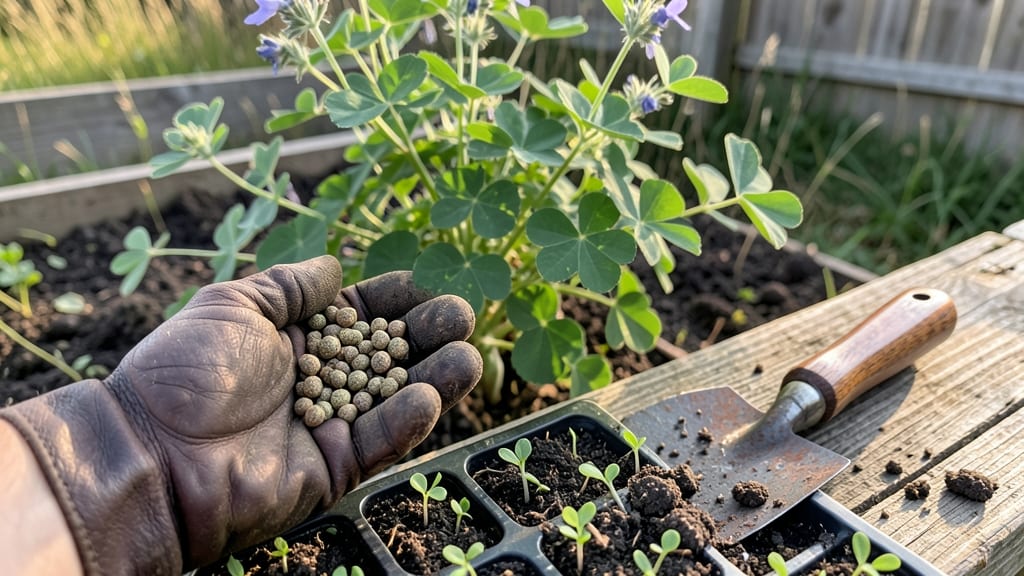
Planting alfalfa in Alabama at the wrong time could leave your fields struggling instead of thriving. This hardy forage crop needs precise timing—soil temperatures must hit 50-60°F and frost-free days should stretch ahead of you.
Whether you're a farmer or homesteader, getting these details right means the difference between a lush, productive stand and wasted seeds.
Alabama's USDA Zones 7a-8b offer a perfect climate for alfalfa, but regional variations matter. The ideal window falls between late winter and early spring, with most growers targeting February to March for best results.
Miss this window, and you risk stunted growth or even total failure—especially in northern Alabama where frosts linger longer.
I'll break down exactly how to calculate your planting window, including soil thermometer techniques and frost-free deadlines by region. You'll learn how to adjust for Alabama's unpredictable weather patterns, from false springs to early autumn chills. No more guessing—just data-driven decisions for a stronger, healthier alfalfa stand.
Ready to transform your fields? Let's dive into the critical steps that separate successful alfalfa planting from costly mistakes. Your future harvest depends on timing—and this is where it all begins.
Alabama’s ideal alfalfa planting dates: frost-free deadlines by region
Alfalfa (Medicago sativa) loves Alabama’s warm climate, but getting the timing right means the difference between a thriving crop and wasted seeds. Since Alabama spans USDA Zones 7a-8b, planting windows vary—especially between North Alabama’s cooler hills and South Alabama’s longer growing seasons.
Let’s break down the best times to plant by region so you can align with your local frost-free deadlines.
Most Alabama gardeners aim to plant alfalfa after the last frost date when soil temperatures consistently hit 50-60°F. In North Alabama (e.g., Huntsville, Decatur), this usually falls in late February to early March, while South Alabama (e.g., Mobile, Dothan) can start as early as mid-February.
Central Alabama (e.g., Birmingham, Montgomery) typically aligns with late February to early March.
Here’s the key: Soil temperature matters more than air temperature. Alfalfa seeds won’t germinate well in cold soil, even if the air feels warm. That’s why I always check soil temps with a probe before planting—more on that in the next section!
For now, let’s focus on regional deadlines to avoid planting too early or missing the window entirely.
🌱
| Region | Last Frost Date | Ideal Planting Window | Soil Temp Requirement | Notes |
|---|---|---|---|---|
| North Alabama (USDA 7a) | Mid-March | Late February–Early March | 50–60°F | Cooler microclimates may need to wait until March. |
| Central Alabama (USDA 7b-8a) | Late February–Early March | Late February–March | 50–60°F | Most reliable window for consistent germination. |
| South Alabama (USDA 8a-8b) | Mid-February | Mid-February–Late March | 50–60°F | Longer growing season allows for earlier planting. |
| All Regions (Fall Planting) | N/A (Avoid) | Not Recommended | N/A | Alfalfa struggles with Alabama’s early frosts in fall. |
If you’re in a microclimate—like a valley or near a large body of water—your frost dates might shift by 1-2 weeks. For example, Anniston’s higher elevation can mean a later last frost than nearby Gadsden.
Always check local records from Alabama Extension or a nearby weather station to fine-tune your planting schedule.
Another pro tip: Alfalfa is a perennial in Alabama, meaning it can regrow for multiple years if established correctly. But the first year is critical—planting at the right time ensures strong root development, which translates to better yields in years to come.
Don’t rush it; waiting for the right soil temperature pays off in the long run.
For those in North Alabama, I recommend holding off until late February unless you’re using a cold-tolerant variety like ‘Alfagraze’, which can handle slightly cooler soils.
In South Alabama, you might even squeeze in a late January planting if your soil warms early—but verify with a soil thermometer first!
🌿
One last thing: Alabama’s humidity can create ideal conditions for fungal diseases if you plant too early. Aim for a dry spell after planting to help seeds germinate without rotting.
If your forecast shows rain within 48 hours of sowing, it’s better to wait a few days. Patience here saves you from seed loss and potential mold issues.
Now that you’ve got your regional planting window locked in, the next step is ensuring your soil is ready. That’s where soil thermometers come into play—and I’ll walk you through exactly how to use them in the next section to pinpoint your perfect planting date.
How to calculate your exact alfalfa planting window using soil thermometers
Alabama’s warm climate can trick gardeners into thinking the soil is ready for alfalfa—but air temperature and soil temperature are two completely different stories. Alfalfa seeds need soil temps between 50-60°F to germinate properly, and planting too early when the ground is still cold can leave you with patchy, slow-growing stands.
That’s why I always use a soil thermometer to pinpoint the perfect moment.
First, grab a soil thermometer (they’re cheap and available at garden centers) and check the temperature at a 4-inch depth, which is where alfalfa seeds will be planted. This is deeper than most gardeners think, and it’s critical because surface soil warms up faster than deeper layers.
I recommend taking readings in the late afternoon when the sun has had time to warm the soil.
Here’s the key: Wait until soil temps consistently stay above 50°F for at least 5 days in a row. This ensures your seeds won’t sit cold and damp, which can lead to rot or uneven germination.
In North Alabama (USDA Zone 7a), this usually happens around mid-to-late March, while South Alabama (Zone 8a) can start as early as late February.