
Plants
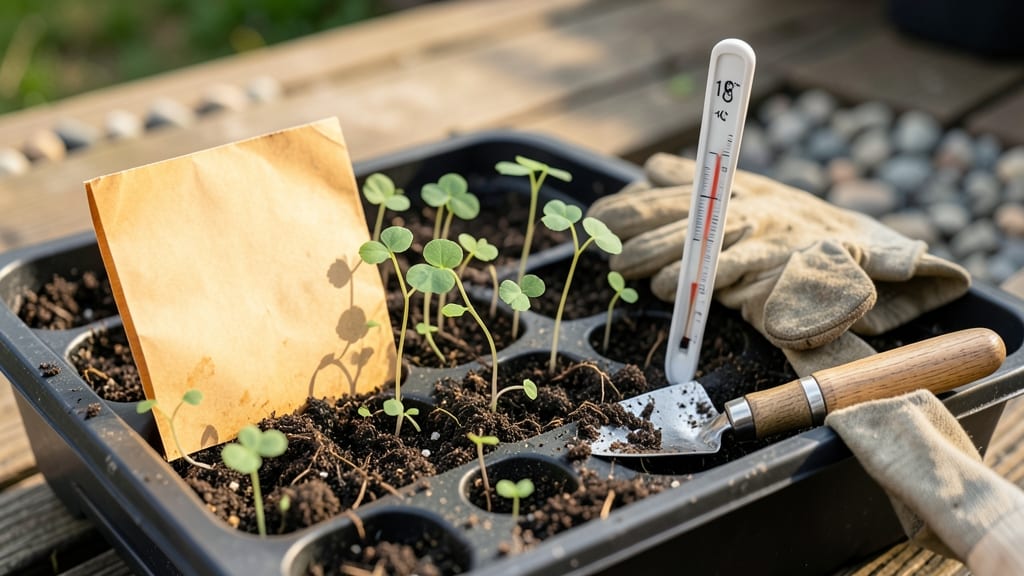
If you're asking "when to plant alfalfa in Kentucky", timing is the secret to unlocking this hardy crop's full potential. Kentucky's 6a-7a climate gives you two prime windows—early spring or late summer—but getting it wrong means struggling with slow growth or frost damage.
Alfalfa 🌱 isn’t just another plant; it’s a powerhouse for Kentucky farmers and gardeners, whether you’re growing it for hay, soil health, or wildlife habitat. The key is planting when soil temperatures hit 50°F consistently, which usually lands in March or early April for most regions.
But here’s the catch: Kentucky’s varied microclimates—from the Bluegrass Region’s cooler springs to Western KY’s faster warming—can shift ideal dates by weeks. We’ll break down exactly how to read your local frost patterns and adjust for success.
Ready to avoid common mistakes and maximize your alfalfa’s first-year growth? Let’s dive into the exact planting schedule that works for your corner of Kentucky, plus soil prep tips that make all the difference.
Best months to plant alfalfa in Kentucky: climate-based timeline
Kentucky’s USDA Zones 6a-7a create perfect conditions for alfalfa—but timing your planting is critical. This perennial legume thrives when sown during two ideal windows: early spring or late summer. The Bluegrass Region and Western Kentucky may have slight variations, but these guidelines work for most areas.
For spring planting, aim for March to early April—after the last frost date (typically mid-April). Soil temperatures should reach 50°F+ to encourage germination. Late summer planting (around August) gives alfalfa time to establish roots before fall frosts arrive in mid-October.
Alfalfa’s slow germination (10-21 days) means rushing won’t help—wait for consistent warmth and moist soil. In Kentucky’s humid climate, planting too early risks rot, while late planting may result in stunted growth before winter.
Here’s how Kentucky’s microclimates influence timing:
Kentucky’s limestone-rich soil often has a pH of 7.0–8.0, which alfalfa tolerates—but aim for 6.5–7.5 for optimal growth. Test your soil before planting to adjust with sulfur or lime if needed. Well-draining soil is non-negotiable; alfalfa hates soggy roots.
If you’re planting alfalfa as a cover crop, early spring is ideal to suppress weeds before summer heat sets in. For hay production, late summer planting ensures two full harvests the following year.
Always choose certified alfalfa seed to avoid weeds like cheatgrass, which thrives in Kentucky fields.
Pro tip: Mark your calendar for April 15 (last frost date for most of KY) and August 15 (late summer cutoff). Planting outside these windows risks poor establishment or winterkill. With the right timing, your alfalfa will reward you with 3–5 years of productivity.
For organic gardeners, mix alfalfa seeds with clover to improve soil nitrogen naturally. Just remember: patience is key—alfalfa’s first harvest won’t come until year two, but the wait is worth it for its drought-resistant and soil-enriching benefits.
🌱
Best months to plant alfalfa in Kentucky: climate-based timeline
Kentucky’s USDA zones 6a-7a create perfect conditions for alfalfa—but timing matters. The ideal planting window is early spring (March-April), when soil temperatures reach 50-60°F.
This ensures strong root establishment before summer heat arrives. For late-summer planting, aim for August to give seedlings time to develop before first frost (mid-October).
In Western Kentucky, where springs arrive slightly earlier, you can push February planting if soil isn’t frozen. Meanwhile, the Bluegrass Region typically waits until late March to avoid late frost risks. Always check your local frost-free date—Kentucky’s varies by 1-2 weeks between regions.
🌱 Kentucky Alfalfa Planting Timeline
| Season | Best Planting Month | Soil Temp (°F) | Key Consideration |
|---|---|---|---|
| Early Spring | March-April | 50-60°F | Avoid frost; soil must thaw |
| Late Summer | August | 60-70°F | Establish before fall rains |
| Alternative | February (West KY) | 45-50°F | Risk of late frost |
For maximum yield, plant alfalfa when daytime highs consistently stay above 60°F for 3+ days. Use a soil thermometer to confirm—Kentucky’s limestone-rich soil warms slower than sandy areas. If planting in May, expect slower establishment due to summer heat stress.
Pro tip: Cover crops like clover planted before alfalfa improve soil structure. In Western Kentucky, where summers are hotter, late August planting gives seedlings a 6-week head start before first frost. Always test your soil pH (6.5-7.5)—Kentucky’s acidic patches can stunt growth.
Remember, alfalfa is a perennial, so first-year yields are minimal. Focus on root development during planting season. If you miss spring, don’t despair—late summer is your second chance for successful establishment.
For best results, mark your calendar now: March 15-April 15 for spring or August 1-15 for summer. Kentucky’s variable climate means flexibility is key—adjust based on your local microclimate and weather forecasts.