
Plants
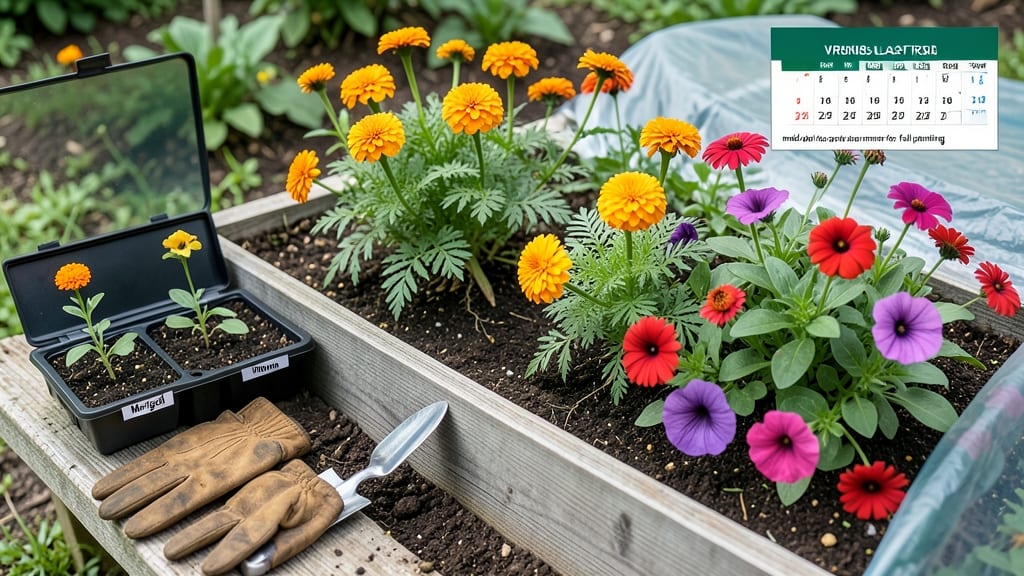
Timing your annuals planting in Virginia can mean the difference between a garden bursting with 🌸 vibrant blooms and one that fizzles under the heat. With frost dates varying wildly from coastal Norfolk to the Piedmont’s Roanoke, getting it wrong means wasted effort—or worse, plants that never take root.
Here’s the secret: Virginia’s 6a-8a zones demand precision. Plant too early, and a late frost will nip your seedlings in the bud. Wait too long, and summer’s sweltering heat will leave your annuals wilting before they even bloom.
The key? Knowing exactly when to start seeds indoors or set out transplants for your specific region.
I’ve tested the best strategies for Virginia gardens—from heat-tolerant zinnias that thrive in July’s 90°F+ days to cool-season favorites like pansies that need to go in by April 15th.
Whether you’re in the humid Tidewater or the drier Shenandoah Valley, these zone-specific tips will help you avoid common mistakes and keep your garden lush all season.
Ready to transform your garden? Let’s dive into the exact planting windows, frost-free timelines, and heat-resistant varieties that will make your annuals the envy of the neighborhood. Your most vibrant garden yet starts with the right timing—and I’ve got the details.
Virginia planting zones: exact dates for cool- and warm-season annuals by region
Virginia’s USDA Hardiness Zones 6a-8a create unique challenges for gardeners. The Piedmont region (like Richmond) has later last frosts, while coastal Virginia (Norfolk) warms up faster. Understanding these differences ensures your cool-season annuals (like pansies) and warm-season annuals (like zinnias) thrive.
Cool-season annuals love 50-60°F soil temperatures and should be planted 4-6 weeks before the last frost. Warm-season varieties, however, need soil temps above 60°F and can’t handle frost. Let’s break down the exact planting windows for Virginia’s three key regions.
| Region | Last Frost Date | First Frost Date | Cool-Season Planting Window | Warm-Season Planting Window |
|---|---|---|---|---|
| Coastal Virginia (Norfolk, Virginia Beach) | March 15 | November 15 | February 15 - April 1 | April 15 - September 1 |
| Piedmont (Richmond, Charlottesville) | April 1 | November 1 | March 1 - April 15 | April 30 - September 15 |
| Southwest Virginia (Roanoke, Blacksburg) | April 15 | October 31 | March 15 - April 30 | May 1 - September 1 |
🌱 Note: Adjust dates 1-2 weeks earlier for coastal areas and later for inland zones.
For cool-season annuals like pansies, snapdragons, and lettuce, plant in late winter to early spring when soil temperatures rise above 40°F. These plants handle light frosts but bolt in summer heat.
In coastal Virginia, you can even plant a fall crop of cool-season annuals in August for late-season color.
Warm-season annuals, such as marigolds, zinnias, and vinca, need consistent warmth and won’t survive frost. Start seeds indoors 6-8 weeks before your last frost or transplant after May 1 in most of Virginia. In Zone 8a (like Norfolk), you can push planting to early April.
Pro tip: Use row covers to extend the cool-season planting window by 2-3 weeks if late frosts threaten. For warm-season plants, mulch heavily to keep soil warm and retain moisture during Virginia’s hot summers.
Always check your local microclimate. A north-facing garden stays cooler longer, while a south-facing bed warms up faster. Adjust planting dates accordingly to avoid frost damage or wilting in extreme heat.
If you’re unsure about your exact last frost date, use the National Weather Service or local Cooperative Extension Service for region-specific data. These resources provide hyperlocal frost averages that can shift planting windows by 1-2 weeks.
For container gardening, warm up soil faster by placing pots in sunny, sheltered spots or using black plastic mulch. This lets you plant warm-season annuals 1-2 weeks earlier than in-ground beds.
Remember: Staggered planting ensures continuous blooms. Start with early-season varieties (like sweet alyssum), then transition to heat-lovers (like portulaca) as temperatures rise. This keeps your garden vibrant from spring to fall.
Heat-tolerant annuals that thrive in Virginia’s summer: planting and care tips
Virginia’s summer heat can be brutal on delicate annuals, but some varieties thrive in 90°F+ temperatures with minimal fuss. Choosing the right heat-tolerant annuals ensures your garden stays vibrant even when the mercury rises.
My top picks include zinnias, vinca (periwinkle), and lantana, which handle Virginia’s humidity and sun like champions.
These plants aren’t just tough—they’re also low-maintenance and long-blooming, making them perfect for busy gardeners. For example, zinnias can bloom from July through October with proper care, while vinca stays lush even in drought-like conditions. Planting them at the right time maximizes their potential.
Here’s when to plant these summer superstars in Virginia:
- Zinnias, vinca, and lantana: April 15–May 15 (after last frost)
- Marigolds and cosmos: March 15–April 30 (earlier for coastal areas)
- Portulaca (moss rose): May 1–June 15 (direct-sow after soil warms)
For container gardening, prioritize compact varieties like ‘Thumbelina’ zinnias or ‘Lemon Swirl’ vinca. Containers dry out faster in summer, so use self-watering pots and check soil moisture daily. A 50% shade cloth during peak afternoon sun (2–5 PM) can prevent wilting in extreme heat.
Mulch with 2–3 inches of straw or pine needles to regulate soil temperature and reduce watering needs. Avoid organic mulches like grass clippings—they can mat down and trap heat. My go-to mulch? Pine straw—it stays in place and mimics Virginia’s natural forest floors.
Watch for heat stress signs like yellowing leaves, curled foliage, or dropped buds. If you see these, provide afternoon shade temporarily and increase watering to deep soaks every 2 days. Most heat-tolerant annuals bounce back quickly with proper care.