
Trees
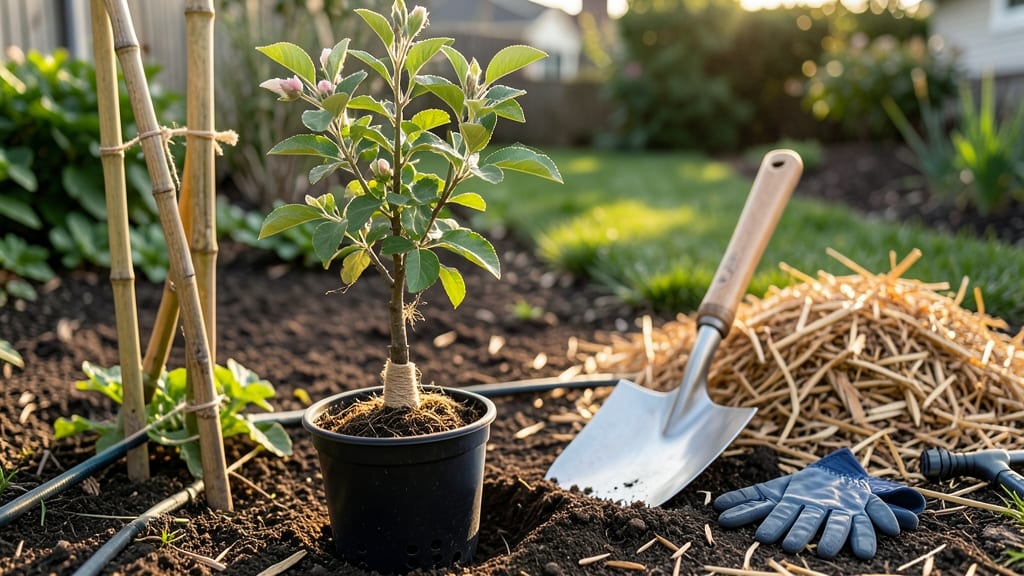
Best planting months for apple trees in Connecticut’s climate zones
Planting apple trees in Connecticut requires careful timing to account for the state’s USDA Zones 5b-6b and unpredictable frost patterns. The ideal window is late winter to early spring, when soil thaws but buds haven’t yet broken dormancy. This balance ensures roots establish before summer heat arrives.
For bare-root trees, aim for February through April—before buds swell. Container-grown trees can be planted slightly later, up to May, but avoid late spring to prevent summer stress. Fall planting is risky in CT due to early frosts, but October’s first half works if soil remains workable.
Connecticut’s last average frost date is around April 15, but microclimates vary. Coastal areas warm sooner, while inland regions may face later frosts. Always check your local frost-free date and plant 2-4 weeks before to minimize cold damage.
🍎 Connecticut Apple Tree Planting Timeline
| Season | Optimal Planting Window | Soil Temp | Key Consideration |
|---|---|---|---|
| Late Winter | February - Early March | 35-45°F | Bare-root trees only; soil thawed but no bud swell |
| Early Spring | March - April | 45-55°F | Best for container-grown trees; avoid bud break |
| Fall | First Half of October | 50-60°F | Risky; only if soil remains workable and frost-free |
| Late Spring | May (Container Trees Only) | 55-65°F | Avoid summer stress; mulch heavily |
Connecticut’s cold-hardy varieties like 'Liberty' and 'Cortland' thrive when planted in early spring. These trees enter dormancy early, reducing winter damage risk. Honeycrisp, while popular, needs slightly warmer microclimates—consider planting near south-facing walls for extra heat.
Soil temperature is critical. Use a soil thermometer to confirm it’s above 40°F before planting. Cold soil slows root growth, leaving trees vulnerable to late frosts. In CT’s rocky terrain, amend soil with compost to improve drainage and warmth retention.
Pro tip: Plant dwarf varieties (like 'GoldRush') in March for faster harvests. Standard trees need April planting to establish before summer. Always water deeply after planting to encourage root spread in the top 12 inches of soil.
Watch for bud break—when buds swell and turn green. Planting too late risks spring frosts, which can kill new growth. In CT, April 15 is your cutoff for bare-root trees; container-grown trees can stretch to May 1.
For container-grown trees, remove the pot and inspect roots. If roots circle the root ball, trim them to encourage outward growth. This is especially important in CT’s compacted clay soils, which can strangle young roots.
After planting, apply 2-3 inches of mulch to retain moisture and regulate soil temperature. Use wood chips or straw, keeping mulch 6 inches away from the trunk to prevent rot. This is crucial in CT’s hot summers and cold winters.
Remember: Patience is key. Apple trees take 3-5 years to bear fruit in CT’s climate. Proper planting timing now ensures a productive orchard for decades—just ask any Connecticut orchardist!
Best planting months for apple trees in Connecticut’s climate zones
Connecticut’s hardiness zones 5b-6b create a narrow window for planting apple trees. The ideal time is late winter to early spring, when soil is workable but buds haven’t yet broken. This timing minimizes transplant shock and aligns with the tree’s natural dormancy cycle.
For bare-root trees, aim for February through April—before the last frost (April 15 in most of CT). Container-grown trees can also be planted in early May, but they’ll need extra care to establish roots before winter.
Here’s why timing matters: Planting too early risks frozen roots, while planting too late delays root growth, leaving trees vulnerable to winter desiccation. Connecticut’s unpredictable frost patterns make this window even more critical.
🌱 Connecticut Apple Tree Planting Timeline
| Stage | Action | Notes |
|---|---|---|
| Late Winter (Feb) | Prepare soil, prune roots | Soil temp: 40-50°F |
| Early Spring (Mar-Apr) | Plant bare-root trees | Before buds swell |
| May (Container Trees) | Plant potted trees | Water deeply weekly |
| Fall (Oct-Nov) | Avoid planting | Risk of winter kill |
In northern CT (zones 5b), prioritize early March planting to ensure roots establish before the first hard frost. Southern CT (zone 6b) can extend planting until mid-April, but monitor local frost forecasts.
Pro tip: Use mulch (4-6 inches) after planting to insulate roots. In CT’s climate, this can mean the difference between survival and failure during winter temperature swings.
For dwarf varieties like 'Liberty,' timing is slightly more flexible, but always plant before leaf emergence to reduce stress. These trees benefit from earlier planting to maximize their first fruiting season.