
Plants
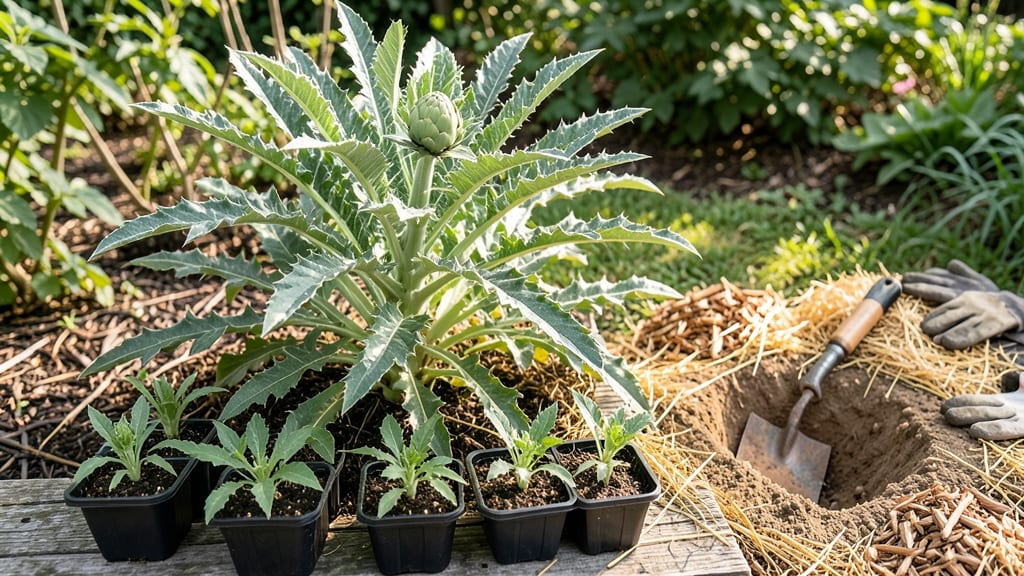
Timing your artichoke planting in Arizona isn't just about following a calendar—it's about outsmarting the desert's unpredictable swings from 110°F days to chilly winter nights.
In Zone 9b, your window to plant these 🌱 powerhouses is tight, but getting it right means the difference between a bountiful harvest and wilted frustration.
Most gardeners in Phoenix or Tucson reach for their seeds between November and February, when cooler temps give young plants a fighting chance. But here's the catch: if you plant too early, frost can sneak in; too late, and your artichokes will bolt before you even see buds.
I'll show you how to read your local microclimate—whether you're in the low desert or Flagstaff's cooler hills—to pick the perfect moment.
What you'll discover is that Arizona's artichoke success hinges on three key moves: choosing heat-tolerant varieties, prepping soil that drains like a dream, and mastering the art of shade cloth.
These aren't just tips—they're your secret weapons against the state's brutal summers. Let's break down the exact steps to turn your backyard into an artichoke oasis.
From seed to harvest, we're talking 150 days of patience (and occasional hand-watering) for those prized buds. But when you nail the timing? You'll be feasting on homegrown artichokes from April through June, proving that even in the desert, great things grow with the right rhythm.
Ready to plant your future harvest?
Best planting months for artichokes in Arizona’s heat zones
Arizona’s USDA Zones 7-10 create unique challenges for growing artichokes, but the key to success lies in planting during the cool-season months. Unlike temperate climates, Arizona’s desert heat makes spring or summer planting risky—your plants could bolt or wilt before producing harvestable buds.
Instead, focus on fall and winter for optimal growth.
The ideal planting window spans from late October through February, aligning with Arizona’s natural cooler temperatures and shorter days. This timeline ensures your artichokes establish strong roots before the intense summer heat arrives.
For Zone 10 (Phoenix, Tucson), aim for November to January, while higher elevations (Flagstaff, Prescott in Zone 7) can extend planting until early March.
Here’s why timing matters: Artichokes are cool-season crops that thrive when daytime highs stay below 75°F. In Arizona’s Zone 9b-10a, temperatures can exceed 90°F by April, stressing young plants. Planting too late risks stunted growth or flowering without bud formation, leaving you with inedible stems.
For direct sowing outdoors, Arizona gardeners should plant seeds 1/2 inch deep and 12 inches apart in well-draining soil with a pH of 6.5–7.5. Amend your soil with compost to retain moisture—a critical factor in Arizona’s low-humidity climate.
If you’re starting seeds indoors, begin 8–10 weeks before your target outdoor planting date to give seedlings a head start.
One common mistake is assuming all artichoke varieties thrive equally in Arizona’s heat. Opt for heat-tolerant varieties like ‘Green Globe’ or ‘Imperial Star’, which handle temperatures up to 80°F better than others.
Avoid ‘Violetto’, which struggles in Zone 10’s summer heat. Always check seed packets for heat tolerance ratings before purchasing.
After planting, mulch heavily with straw or wood chips to lock in moisture and regulate soil temperature. In Zone 7–8, apply a lightweight row cover during winter to protect tender seedlings from unpredictable frost.
Monitor soil moisture closely—artichokes need 1–1.5 inches of water per week, but overwatering can lead to root rot in Arizona’s clay-heavy soils.
Your first harvest should arrive 120–150 days after planting, depending on the variety and weather conditions. In Zone 9b–10a, this typically falls between March and May, just as summer heat ramps up.
To extend your harvest, succession plant every 2–3 weeks from November to January, ensuring a continuous supply of tender artichoke buds.
Remember, Arizona’s microclimates can vary dramatically even within a 50-mile radius. For example, Phoenix (Zone 10a) may see 100°F+ days by April, while Flagstaff (Zone 7) could experience frost until May.
Adjust your planting timeline based on your local weather patterns and elevation—always check your last frost date and plan accordingly.
With the right timing and care, you’ll enjoy a bountiful artichoke harvest that rivals commercial crops. The secret? Plant early, mulch well, and stay vigilant against Arizona’s unpredictable weather shifts. Your garden—and your taste buds—will thank you!
How to adjust planting timing for Arizona’s extreme heat
Arizona’s scorching summers (think 110°F+) can turn artichoke seedlings into crispy snacks if planted too early. But with the right adjustments, you can beat the heat and still enjoy a bountiful harvest. The key? Timing, shade, and variety selection—all tailored to your microclimate.
Start by choosing heat-tolerant varieties like ‘Green Globe’ or ‘Imperial Star’, which handle Arizona’s Zone 9b-10 heat better than traditional types. These varieties thrive when planted 4-6 weeks before your last frost date (typically mid-November to February), giving them time to establish roots before summer’s fury arrives.
For Phoenix and Tucson (Zone 10), aim for late October to December planting. In higher elevations like Flagstaff (Zone 7), stretch your window to March-April to avoid late-spring heat spikes. Seed-starting indoors in September-October is a smart move—it buys you extra time to harden off seedlings before transplanting outdoors.
- Step 1: Harden Off Seedlings – Gradually expose young plants to direct sun over 7-10 days before transplanting. Start with 2 hours/day and increase by 1 hour daily. This toughens stems and leaves, reducing shock when moved to full desert sun.
- Step 2: Use Shade Cloth – For the first 2-3 weeks after planting, provide 30-50% shade during peak afternoon heat (12 PM–4 PM). Remove cloth as plants acclimate. This prevents leaf scorch and conserves moisture.
- Step 3: Mulch Like a Pro – Apply 3-4 inches of organic mulch (straw or wood chips) around the base. This keeps soil 5-10°F cooler, retains moisture, and suppresses weeds. Replenish mulch every 2-3 months as it breaks down.
Watering is another game-changer. Instead of daily light sprinkles, give your artichokes a deep soak 2-3 times per week (early morning, before 8 AM).
This encourages deep root growth, making plants more drought-resistant. Avoid overhead watering—it promotes fungal diseases in Arizona’s humid monsoon season (July-September).
Finally, monitor your plants for heat stress signs: yellowing leaves, wilting despite moist soil, or buds that brown at the tips. If you see these, move plants to a shadier spot immediately and increase watering slightly.
With these adjustments, your artichokes will thrive in Arizona’s extreme climate and reward you with plump, tender buds by spring.
Pro tip: Pair your artichokes with companion plants like basil or marigolds to deter pests and improve soil health. These plants also reflect sunlight differently, creating a microclimate that’s slightly cooler for your artichokes. 🌱