
Plants
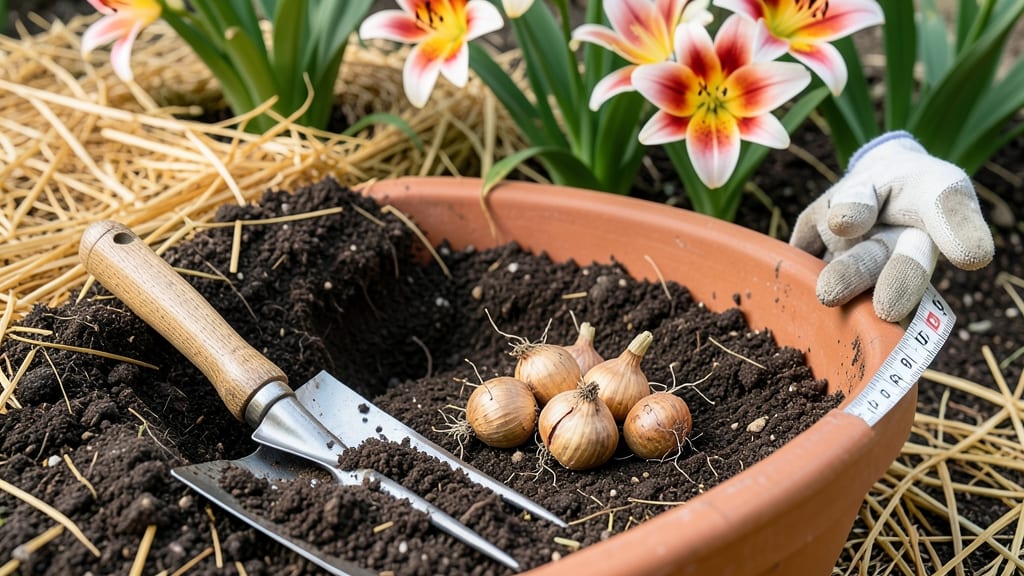
When to plant Asiatic Lily bulbs in spring means the difference between vibrant summer blooms and wasted effort—get it wrong, and you risk stunted growth or no flowers at all. Whether you're in Zone 6a or further south, knowing the exact window to plant can feel overwhelming with all the frost dates and soil temperature charts.
Here's the game-changer: April through May is your sweet spot after the last frost, but there's more to it than just picking a month. Soil temperature plays a crucial role—too cold and your bulbs won't sprout properly, while planting too early in frost-prone areas could leave them vulnerable.
Let me walk you through exactly when to plant based on your region and how to prepare your soil for success.
We'll cover the ideal planting window by USDA zone, including adjustments for early spring vs. late frost risk areas. You'll also discover how to check if your soil is ready and what mistakes to avoid that could sabotage your blooms before they even begin.
By the end, you'll have a clear, step-by-step plan to get your Asiatic Lily bulbs in the ground at the perfect time—so you can enjoy those stunning summer flowers you've been dreaming of. Let's get started!
Ideal soil temperature for planting Asiatic lily bulbs by USDA zone
Planting Asiatic lily bulbs at the right time ensures strong root growth before summer heat sets in. The key factor? Soil temperature. These bulbs thrive when the ground reaches 40-65°F, but timing varies dramatically by USDA zone and local frost patterns.
Let’s break it down by region to help you avoid common mistakes like planting too early in cold climates or too late for optimal blooms.
In Zones 3-5, where frosts linger into May, wait until after your average last frost date and confirm soil temps are consistently above 50°F. Use a soil thermometer—55°F is the sweet spot for root establishment.
Meanwhile, gardeners in Zones 6-10 can plant as early as March in warmer southern climates, but avoid soggy soil from winter rains that can rot bulbs.
Here’s why soil temperature matters: Asiatic lilies need 4-6 weeks to establish roots before summer heat arrives. Planting too early in cold zones risks frost damage, while planting too late in hot climates can stress bulbs before they bloom.
The goal? Root growth before flowers—that’s how you get those showstopping summer blooms.
| USDA Zone | Ideal Planting Window | Soil Temp Range | Frost Risk | Adjustment Tip |
|---|---|---|---|---|
| Zones 3-5 | Late April - Early May | 50-65°F | High (wait for last frost) | Use mulch to protect bulbs |
| Zones 6-7 | Mid-April - Mid-May | 45-60°F | Moderate (check frost dates) | Plant early if soil warms fast |
| Zones 8-10 | March - Early April | 40-55°F | Low (minimal frost risk) | Avoid waterlogged soil |
For Zone 6a (like much of the Midwest), aim for April 15th as your target date, but verify soil temps—55°F is ideal. If you’re in a microclimate (like a frost pocket), delay planting by 2-3 weeks to avoid late frosts.
Pro tip: Test soil moisture too—bulbs rot in soggy conditions, even at the right temperature.
Another critical factor is daylength. Asiatic lilies need 6+ hours of sunlight daily to bloom, so plant them where they’ll get full sun after roots establish. In shady gardens, blooms may be sparse or nonexistent. Pair your planting date with a sunny spot to maximize floral display.
If you’re unsure about your local frost dates, check the National Weather Service or your local cooperative extension for historical data. Many gardeners also use frost-sensitive plants (like pansies) as early warning systems—plant them first to gauge frost risk before committing to your Asiatic lilies.
Remember: Bulb depth matters too. Plant them 4-6 inches deep and 6-8 inches apart for airflow. In heavy clay soil, amend with compost to improve drainage—waterlogged bulbs won’t survive, no matter the temperature.
Once planted, water deeply to settle soil around the bulbs, then reduce watering as shoots emerge. Overwatering now can drown tender roots. Mulch with 2-3 inches of straw to regulate soil temp and retain moisture without smothering the bulbs.
By aligning your planting with soil temperature and frost-free windows, you’ll set your Asiatic lilies up for bold summer blooms—worth the wait! 🌸
5 Signs your soil is ready (and 3 mistakes to avoid)
Spring’s unpredictable weather can leave you guessing whether your Asiatic lily bulbs are ready for planting. The key lies in your soil’s readiness—too early, and frost threatens delicate roots; too late, and summer heat stunts growth. Here’s how to tell when conditions are perfect for planting.
First, check the soil temperature. Use a soil thermometer to confirm it’s reached 55-65°F. Cold soil slows root development, while overheated soil stresses bulbs. In USDA Zones 3-5, wait until late April or early May—after the last frost—when soil warms steadily.
Next, assess moisture levels. Press a handful of soil—if it crumbles slightly but holds shape, it’s ideal. Overly wet soil suffocates roots, while dry soil forces bulbs to work harder. Well-draining soil is non-negotiable; Asiatic lilies hate soggy conditions. Amend heavy clay with compost or sand if needed.
Now, look for worm activity. Healthy soil teems with earthworms, a sign of balanced nutrients and aeration. Dig gently—if you spot 3-5 worms per square foot, your soil’s ready. Worms also loosen compacted soil, creating pockets for roots.
Another telltale sign? Bulb firmness. Press a fingernail into a bulb—if it yields slightly but doesn’t dent, it’s fresh and ready. Soft or shriveled bulbs signal dehydration or rot, both planting red flags.
Finally, observe local plant cues. If daffodils or tulips are already blooming in your area, it’s safe to plant Asiatic lilies. These early bloomers thrive in cooler soil, giving you a green light for your lily bulbs.