
Plants
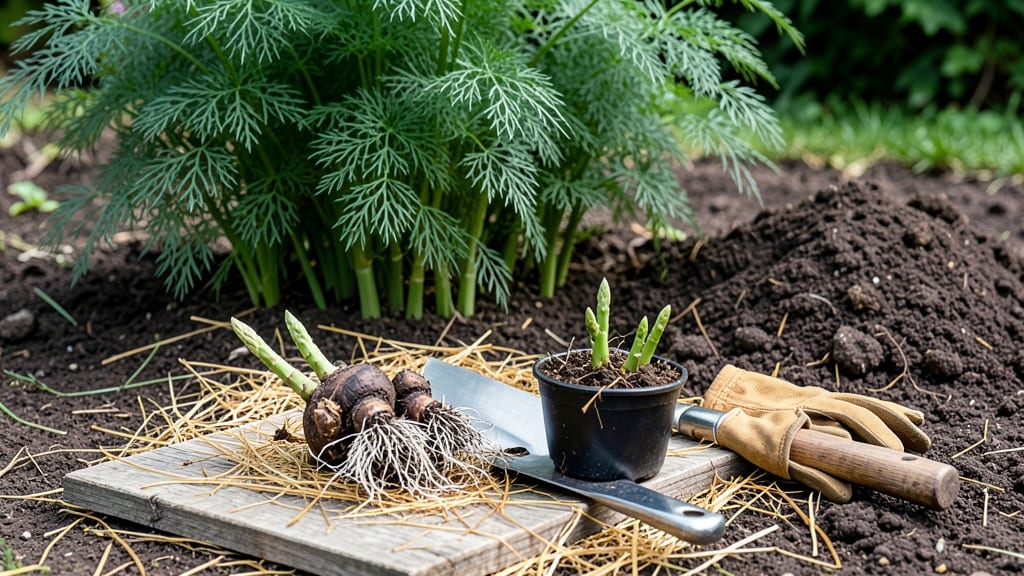
Planting asparagus in Minnesota at the wrong time means years of waiting for harvests—or worse, losing your entire crop to frost. Since this cold-hardy 🌱 asparagus thrives in Zones 4a-5b, getting the timing right is the key to success.
The ideal window opens in early spring, but rushing too soon or waiting too long can backfire.
Most Minnesota gardeners plant asparagus crowns between March and April, once the soil warms to 50°F and the last frost threat has passed. This timing ensures strong root establishment before summer heat arrives. But with Minnesota’s unpredictable spring weather, knowing exactly when to dig in is crucial.
In this guide, I’ll break down the perfect planting schedule for your climate zone, including soil prep tips and frost protection strategies. You’ll learn how to avoid common mistakes that waste years of potential harvests—and why patience pays off when growing this long-lived perennial.
Whether you’re a first-time gardener or a seasoned pro, these insights will help you plant asparagus for a decades-long harvest. Let’s get your garden on the right track from day one.
Minnesota asparagus planting timeline: month-by-month guide for Zone 3-4
Timing is critical when planting asparagus in Minnesota, where Zone 3-4 frosts can destroy tender crowns if planted too early. The ideal window for planting 1-year-old asparagus crowns is late April to early May, after the last frost date (typically around April 15).
This gives roots time to establish before winter sets in.
If you prefer fall planting, aim for late August to early September—but this is riskier in Minnesota’s unpredictable climate. Crowns planted in fall may not root deeply enough before frost, leading to poor survival.
For seed planting, start indoors in March and transplant seedlings after the last frost.
Here’s your month-by-month breakdown for planting asparagus in Minnesota, including soil temperature thresholds and frost risks:
| Month | Planting Window | Soil Temp (°F) | Frost Risk | Notes |
|---|---|---|---|---|
| March | Indoor seed start | 60-65°F | High | Start seeds indoors for transplanting later. |
| April | Late April (crowns) | 50-60°F | Moderate | Wait until soil warms and frost risk passes. |
| May | Early May (backup) | 55-65°F | Low | Best time for planting crowns if April was too cold. |
| August | Late August (fall) | 60-65°F | High | Risky; use row covers for frost protection. |
| September | Early September (fall) | 55-60°F | Moderate | Last chance for fall planting; mulch heavily. |
For Minnesota gardeners, the late April window is ideal because it balances soil warmth (at least 50°F) with low frost risk. Planting too early can lead to crown rot from cold, soggy soil, while late planting may delay harvests by a year or more.
Pro tip: Use a soil thermometer to confirm 50°F+ soil temps before planting. In colder years, wait until May 1 to avoid frost damage. If you’re unsure about your last frost date, check the Minnesota State Climatology Office for your specific region.
Once planted, mulch heavily with straw or wood chips to insulate roots during Minnesota’s freeze-thaw cycles. This helps maintain consistent soil temps and protects young plants from early autumn frosts.
Remember, asparagus is a perennial crop, meaning it will produce for 15-20 years if planted correctly. Rushing the planting timeline could set you back years of harvests, so patience is key in Minnesota’s short growing season.
For extra protection, consider planting asparagus in raised beds. They warm up faster in spring and drain better than heavy Minnesota clay soil, giving your plants a head start. Just ensure the bed is at least 12 inches deep to accommodate the deep-rooted crowns.
🌱
How to prepare Minnesota soil for asparagus: pH, fertilizer, and frost protection tips
Asparagus thrives in well-draining, fertile soil with a pH between 6.5 and 7.5. Minnesota’s clay-heavy or sandy loam soils often need amendments to meet these requirements.
Start by testing your soil’s pH—most garden centers offer affordable kits. If your soil is too acidic, add lime in early fall to adjust it before planting.
Incorporate 3–4 inches of compost or well-rotted manure into the top 12 inches of soil at least 4–6 weeks before planting. This improves drainage and provides essential nutrients like nitrogen, phosphorus, and potassium. Avoid fresh manure, as it can burn delicate asparagus roots.
Planting asparagus too early in Minnesota’s Zone 3-4 can expose crowns to late spring frosts (common until mid-May). Use row covers or black plastic mulch to protect young plants until soil temperatures consistently stay above 50°F (10°C).
For sandy soils, mix in peat moss or coconut coir to retain moisture, while clay soils benefit from gypsum or perlite to improve aeration. Raised beds are ideal for Minnesota gardeners, as they warm up faster in spring and provide better drainage for asparagus roots.
After planting, apply a 2–3 inch layer of mulch (straw or shredded leaves) to retain moisture and suppress weeds. Mulch also protects crowns from temperature fluctuations during Minnesota’s unpredictable springs. Replenish mulch annually in early spring.
Fertilize lightly in early spring with a balanced 10-10-10 fertilizer (½ cup per 10 sq ft) to encourage early growth. Avoid heavy fertilization in the first year, as asparagus needs 2–3 years to establish roots before producing spears. Over-fertilizing can lead to excess foliage and fewer spears.
In late summer, apply a low-nitrogen fertilizer (like 5-10-10) to promote root growth for next year’s harvest. Stop fertilizing by mid-August to allow plants to harden off before winter. Minnesota’s cold winters mean asparagus will need insulation—pile mulch 6 inches deep around the crowns for extra protection.