
Plants
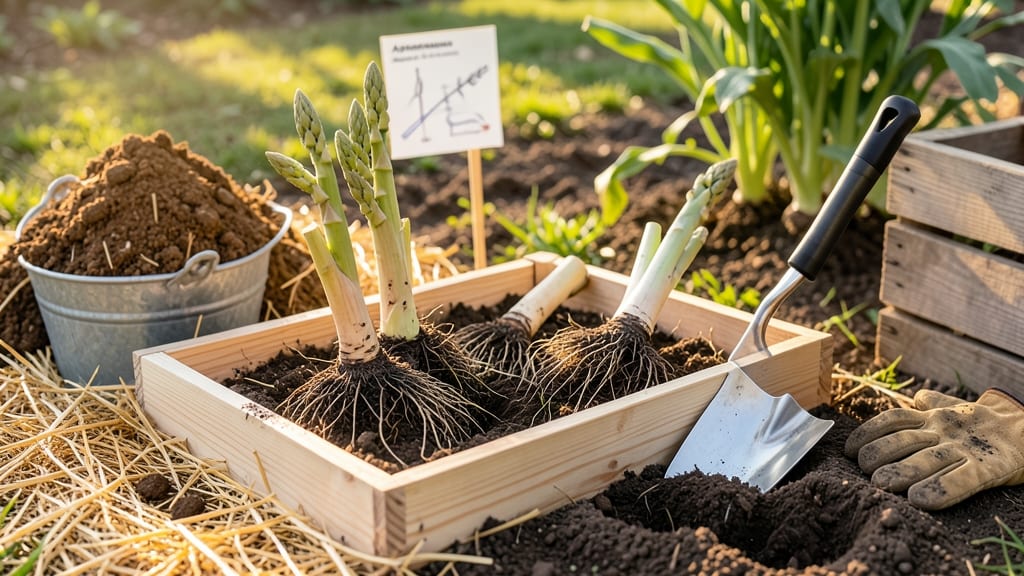
Planting asparagus in Utah might seem tricky with its dramatic temperature swings and varied microclimates, but getting the timing right is the key to a bountiful harvest.
The perfect window for Utah gardeners is early spring—typically between March and early April—when soil temperatures hover around 50°F and the threat of frost has passed.
Why does this matter? Because asparagus crowns need 4-6 weeks to establish roots before winter sets in.
In Utah’s USDA zones 5-8, planting too late in Salt Lake City’s 6b zone or Southern Utah’s 7b can leave your plants vulnerable to early freezes, while planting too early risks exposing them to lingering cold. The goal is to balance warmth and stability for those critical first weeks.
In this guide, I’ll break down the exact planting deadlines for Utah’s five distinct regions, from the Wasatch Front to high-altitude valleys, so you can avoid common mistakes and give your asparagus the best shot at thriving.
Whether you’re a first-time gardener or a seasoned pro, these insights will help you time your planting like a local—no guesswork required.
Ready to transform your garden into an asparagus powerhouse? Let’s dive into the microclimate-specific strategies that’ll have your spears shooting up in no time—because patience now means plenty of harvests later.
Utah’s microclimate planting zones: when to plant asparagus by region
Utah’s 5 distinct growing zones create wildly different conditions for asparagus, from the urban heat islands of Salt Lake City to the high-altitude chill of Park City. Each zone has its own planting deadline, determined by soil temperature and frost risk.
Get this wrong, and your crowns won’t establish before winter’s first hard freeze (28°F). Here’s the exact window for each region to maximize your harvest.
Asparagus crowns need 4-6 weeks to establish roots before winter dormancy. In Utah, this means planting 4-6 weeks before your area’s last frost date. But with Utah’s 1,000-foot elevation shifts between zones, your timing must be precise.
For example, Southern Utah’s warmer microclimate allows planting as early as late February, while high mountain valleys like Logan may need to wait until mid-April.
Soil temperature is your best guide: asparagus crowns thrive when soil reaches 50°F. Use a soil thermometer to confirm readiness.
In Utah’s USDA Zones 5-8, this typically aligns with mid-March to early April for most areas, but urban zones like Salt Lake Valley can warm faster due to the heat island effect.
For high-altitude areas like Park City, consider fall planting (September) for a head start. Crowns planted in fall will sprout early spring, giving them a 30-day advantage over spring-planted crowns.
However, this only works if your soil doesn’t freeze solid—test by pushing a soil probe into the ground; if it resists, wait for spring.
Urban gardeners in Salt Lake City often face soil compaction from foot traffic. Amend your beds with compost and coarse sand to improve drainage, as asparagus hates soggy roots. In Southern Utah’s alkaline soils, add sulfur or peat moss to lower pH to 6.5-7.0 before planting.
Pro tip: Use black plastic mulch in cooler zones to warm soil faster. Lay it down 2 weeks before planting to create a 5-10°F warmer microclimate. Just
If you’re in Zone 5 (northern Utah), opt for cold-hardy varieties like 'Pacific 2000' or 'Mary Washington'. These tolerate 20°F without damage, giving you a 2-week buffer if frost sneaks in early. In Zone 7-8 (Southern Utah), you can push planting to late February, but watch for desert winds that dry out soil quickly.
Timing isn’t just about the calendar—it’s about soil readiness. Use your finger to check moisture: if the top 2 inches dry out in 24 hours, your asparagus needs consistent watering until roots establish.
In Utah’s drought-prone summers, this means deep watering 2-3 times per week until plants are 12 inches tall.
Remember: Year 1 is all about roots. No matter when you plant, avoid harvesting spears in the first year—let the crowns build energy for future harvests. By Year 3, your asparagus will reward you with spears 6-8 inches tall
Utah’s alkaline soils and drought-prone summers can challenge asparagus crowns if not prepared properly. To give your plants the best start, focus on soil amendments and moisture management before planting. Asparagus thrives in soil with a pH between 6.5 and 7.5, but Utah’s native soils often skew higher—sometimes reaching 8.0 or above—which can stunt root growth. Start by testing your soil’s pH and nutrient levels using a home kit or sending a sample to your local Utah State University Extension office. If your soil is too alkaline, amend it with sulfur or peat moss (apply 2-3 pounds per 100 square feet) at least 4-6 weeks before planting. This gives the amendments time to adjust the pH naturally without shocking the crowns. Asparagus crowns are perennial powerhouses, but they need consistent moisture during their first critical 30 days to establish roots before winter. In Utah’s high-desert regions, like Cache Valley or the San Rafael Swell, this means setting up drip irrigation or soaker hoses to deliver 1-1.5 inches of water weekly. Avoid overhead watering, which can spread disease in Utah’s hot, dry summers. Another Utah-specific challenge is extreme temperature swings. If you’re planting in high-altitude areas (e.g., Park City or Logan), protect young crowns with row covers during late-spring frosts, which can dip below 28°F. In urban heat islands like Salt Lake City, shade cloth can prevent crowns from overheating while they establish. Finally, mulching is non-negotiable in Utah’s climate. Apply a 3-4 inch layer of straw or wood chips around crowns to lock in moisture, suppress weeds, and insulate roots during freeze-thaw cycles. Replenish mulch annually in spring to maintain protection. With these steps, your asparagus will root deeply and thrive, ready for Utah’s first harvest in years 2-3.Preparing asparagus crowns for Utah’s unique growing conditions
🌱 Step-by-Step Pre-Planting Prep for Utah Gardens