
Plants
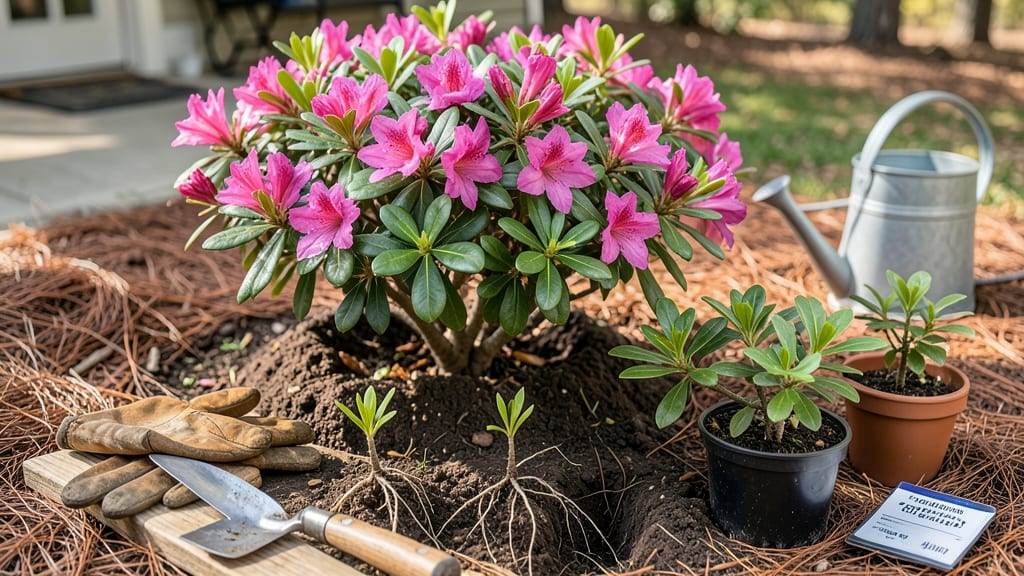
Planting azaleas at the wrong time in Louisiana can turn your dream garden into a disaster—wilting blooms, stunted growth, or even plant death. The key to vibrant 🌸 azaleas lies in understanding the perfect window for your specific zone, whether you're in humid New Orleans or drier Shreveport.
With Louisiana's mild winters and long growing season, you might think azaleas can handle any timing—but that's a common mistake. The ideal months for planting these shrubs are October through March, when cooler temperatures help roots establish before summer heat arrives.
Why does timing matter so much? Because azaleas hate stress, and summer planting in Louisiana's humidity can lead to fungal issues or drought damage. I'll show you exactly how to align your planting schedule with Louisiana's unique climate zones to get those show-stopping blooms every spring.
From soil prep to post-planting care, we'll cover everything you need to know to make your azaleas thrive. Let's get those roots growing strong so you can enjoy years of stunning color in your landscape.
Best months to plant azaleas in Louisiana’s climate zones
Louisiana’s climate—with its humid summers and mild winters—creates perfect conditions for azaleas, but timing your planting is crucial. The ideal window spans from October through March, aligning with the state’s USDA zones 8a-9b.
This period avoids the extreme heat of summer and the late spring frost risks that can stress young plants.
In North Louisiana (zones 7-8), where winters are slightly cooler, focus on planting in October or early November. This gives roots time to establish before the ground freezes.
Meanwhile, South Louisiana (zones 9a-9b) gardeners have a longer window—planting as late as February or early March works well, thanks to milder winters.
Here’s a quick breakdown of why these months matter: Fall planting (October-November) allows roots to grow before winter dormancy, while early spring planting (February-March) avoids summer heat stress. Both strategies help azaleas thrive in Louisiana’s acidic, well-draining soils.
🌸
| Zone | Best Planting Months | Key Considerations |
|---|---|---|
| North Louisiana (7-8) | October–November | Cooler temps; avoid late spring frost |
| Central Louisiana (8a-8b) | October–December | Humidity peaks in summer; plant early |
| South Louisiana (9a-9b) | October–March | Milder winters; extend window to early spring |
| Coastal Areas (9b) | November–February | Higher humidity; prioritize well-draining soil |
For container-grown azaleas, you can plant slightly outside this window—even in April—but expect slower establishment due to Louisiana’s intense summer heat. If you must plant in spring, choose dwarf varieties like ‘Southern Charmer’ or ‘Hino Crimson’, which handle heat better than larger types.
Another pro tip: Bare-root azaleas (often sold in late winter) should be planted as soon as possible after purchase, ideally in January or February, to minimize transplant shock. These plants are dormant and establish roots quickly in Louisiana’s cool, moist winter soil.
If you’re in urban areas like New Orleans or Baton Rouge, watch for microclimate variations. Urban heat islands can make winters slightly warmer, so adjust your planting timeline by 1-2 weeks later than rural areas.
Always check your local frost dates—aim to plant at least 6 weeks before the first frost.
Finally, avoid summer planting (April-September) unless you’re in a high-elevation area like the hills of North Louisiana. The combination of high humidity, intense sun, and soil fungi risks makes summer the worst time to plant azaleas in most of the state.
🌿
How Louisiana’s humidity and soil affect azalea planting timing
Louisiana’s high humidity and heavy rainfall create unique challenges for azalea planting. Unlike drier climates, soggy soil can suffocate roots, while summer heat stresses young plants. Understanding these factors helps you avoid common pitfalls like root rot or stunted growth.
The acidic, well-draining soil Louisiana gardens are famous for is perfect for azaleas—but only if properly managed. Native soils often need amendments like peat moss or pine bark fines to maintain the ideal pH of 4.5-6.0. Without this prep, your azaleas may struggle to absorb nutrients.
🌱 Did You Know?
Warning: Summer Planting Risks
Planting azaleas in summer months (May-August) exposes them to fungal diseases like Phytophthora due to Louisiana’s heat and humidity. Young roots can’t establish quickly enough, leading to plant decline within weeks.
Coastal areas like New Orleans and Lake Charles face even higher risks because of salt spray and poor drainage. If you’re near the coast, choose dwarf varieties like ‘Southern Indica’ and elevate planting beds with sand amendments to improve drainage.
Inland regions such as Shreveport or Baton Rouge have slightly drier conditions, making fall planting (October-November) the safest bet. The cooler temps and reduced humidity give roots time to establish before winter.
To combat Louisiana’s clay-heavy soils, mix in organic matter like composted leaves or pine fines. This improves aeration while retaining moisture—critical for azaleas that hate drying out. A 2-3 inch mulch layer of pine straw also helps regulate soil temperature and moisture.
Monitor your soil’s moisture level regularly. Azaleas in Louisiana need consistent moisture but never soggy conditions. Use a moisture meter or the finger test (stick your finger 2 inches deep—if dry, water). Adjust your watering schedule based on rainfall patterns to avoid overwatering.