
Plants
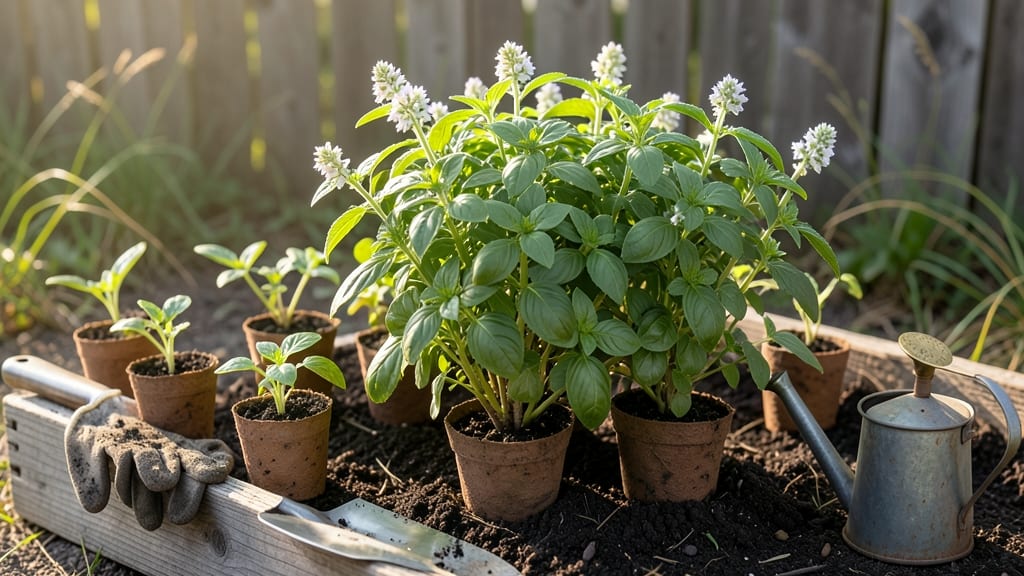
Timing your basil planting in Missouri can mean the difference between a thriving herb garden and a sad, frost-nipped disappointment. Missouri’s unpredictable spring weather makes getting the window right absolutely critical—especially when you’re dreaming of fresh pesto by summer.
Most gardeners in USDA zones 5b-6b wait until after the last frost date (typically April 15-May 15), but there’s more to it than just the calendar. Soil temperature, microclimates, and even your basil variety play a role in ensuring those fragrant 🌿 leaves take off strong.
In this guide, I’ll break down the exact planting timeline for your zone, plus heat-tolerant varieties that won’t bolt in Missouri’s summer heat. Whether you’re sowing seeds or transplanting starts, you’ll learn how to give your basil the perfect head start.
Ready to grow basil that’s ready for harvest by June? Let’s dive into the most important steps to set your garden up for success—without the guesswork.
Missouri’s last frost dates by zone: best planting windows for basil
Missouri’s climate varies dramatically from north to south, making last frost dates critical for successful basil cultivation. In USDA zones 5b-7a, timing your plantings around these dates ensures your basil thrives without frost damage or summer stress.
For most of Missouri, the last frost typically falls between March 15 and April 15, but northern regions like St. Louis may wait until mid-April, while southern areas like Springfield can plant as early as late March.
Basil is a warm-season herb that won’t tolerate frost, so waiting until soil temperatures reach at least 50°F is essential. Seedlings planted too early risk stunted growth or death. Transplants, however, can handle slightly cooler soils, giving you a 2-week window before direct sowing to jumpstart your harvest.
Always check local frost data from resources like the Missouri Botanical Garden or National Weather Service for precise timing.
Here’s your zone-by-zone planting schedule for basil in Missouri, including ideal windows for both transplants and direct sowing:
| USDA Zone | Last Frost Date | Transplant Window | Direct Sow Window | Soil Temp Requirement |
|---|---|---|---|---|
| 5b (Northern MO) | April 15 | April 1 - April 15 | April 15 - May 1 | 50°F+ |
| 6a (Central MO) | April 1 | March 20 - April 10 | April 1 - April 20 | 50°F+ |
| 7a (Southern MO) | March 15 | March 1 - March 31 | March 15 - April 5 | 50°F+ |
For northern Missouri gardeners in zone 5b, patience is key—rushing seedlings outdoors before April 15 risks frost damage. Start transplants indoors 6-8 weeks before your last frost date to give them a head start.
In southern Missouri (zone 7a), you can begin planting as early as mid-March, but always monitor nighttime temperatures, which can still dip below freezing.
Basil thrives in warm, consistent temperatures, so aim to plant your seedlings or seeds when daytime highs reach 70°F or higher. This typically aligns with late April to early May for most of the state.
If you’re using transplants from a nursery, they’re usually hardened off and ready to handle slightly cooler soils, giving you a 2-week advantage over direct sowing.
Missouri’s summer heat can be intense, especially in July and August, so planting too late may stress your basil. To avoid this, prioritize early May plantings for a full-season harvest. If you miss this window, consider container gardening to move plants to shaded areas during peak heat.
Mulching with straw or shredded leaves also helps regulate soil temperature and retain moisture, which is critical for basil’s growth.
Pro tip: Use row covers or cold frames for early plantings to protect seedlings from unexpected late frosts. These can raise soil temperatures by 5-10°F, giving your basil a safer start. Always remove covers during the day to prevent overheating, and secure them tightly to avoid wind damage.
This extra layer of protection can extend your planting window by 1-2 weeks in marginal zones.
For container gardeners, timing is equally important. Basil in pots warms up faster than in-ground plants, so you can plant 1-2 weeks earlier than your zone’s last frost date. Just ensure your containers have drainage holes and use a lightweight, well-draining potting mix to prevent root rot.
Containers also allow you to move plants to optimal sunlight or shade as needed, giving you more flexibility in Missouri’s variable climate.
Missouri’s first frost typically arrives between October 15 and November 15, signaling the end of the outdoor growing season for basil. To extend your harvest, bring potted plants indoors before temperatures drop below 50°F at night.
Place them near a south-facing window or under grow lights to maintain growth. With proper care, you can enjoy fresh basil well into fall and even winter.
Always keep an eye on local weather forecasts and historical frost data for your specific area. Microclimates—like urban heat islands or sheltered garden spots—can shift frost dates by 1-2 weeks.
By aligning your basil plantings with Missouri’s last frost dates and soil temperature guidelines, you’ll set your plants up for a bountiful, flavorful harvest all season long. 🌱
Heat-tolerant basil varieties that thrive in Missouri’s summer heat
Missouri’s summers bring sweltering heat and humidity, which can stress delicate basil plants. But don’t worry—some varieties are heat-resistant champions that thrive even when temperatures soar. Choosing the right type ensures a longer harvest season and flavorful leaves all summer long.
The key is selecting heat-tolerant basil with strong disease resistance and adaptability to Missouri’s USDA zones 5b-7a. These varieties won’t bolt prematurely or wilt under the sun, making them perfect for container gardens or in-ground beds.
🌿 Basil Variety Comparison: Heat Tolerance & Flavor
For Missouri’s intense summers, Thai Basil and Spicy Globe are my top picks—they love heat and humidity, making them ideal for container gardens on patios or balconies. If you prefer classic flavors, Genovese still performs well with afternoon shade during July and August.
Avoid sweet basil varieties like Sweet Basil or Napoletano—they’re less heat-tolerant and may bolt early when temperatures exceed 90°F. Instead, opt for disease-resistant hybrids like Ocimum basilicum ‘Sweet’ or ‘Mammoth Leaf’, which handle Missouri’s summer storms and soil heat better.
To extend your harvest, pair heat-tolerant varieties with succession planting. Start seeds indoors in late March, transplant outdoors after the last frost date, and sow a second batch in early June for a fall crop before the first frost hits.
⚠️ Pro Tip: Heat Stress Signs
🔥 Wilting leaves even with moist soil?
🌡️ Yellowing between veins?
🌿 Stunted growth despite full sun?
These are heat stress signals. Move plants to partial shade, increase watering frequency, and mulch to retain soil moisture.
For container growers, Spicy Globe and Purple Ruffles are compact powerhouses that thrive in 5-gallon pots with well-draining soil. Add 1 inch of mulch to insulate roots and reduce evaporation, especially in south-facing gardens where heat builds up quickly.
Finally, harvest regularly to encourage new growth—this prevents bolting (flowering) and keeps plants productive through Missouri’s long, hot summers. Pinch off flower buds as soon as they appear to redirect energy into leaf production.
🌿